
Planting
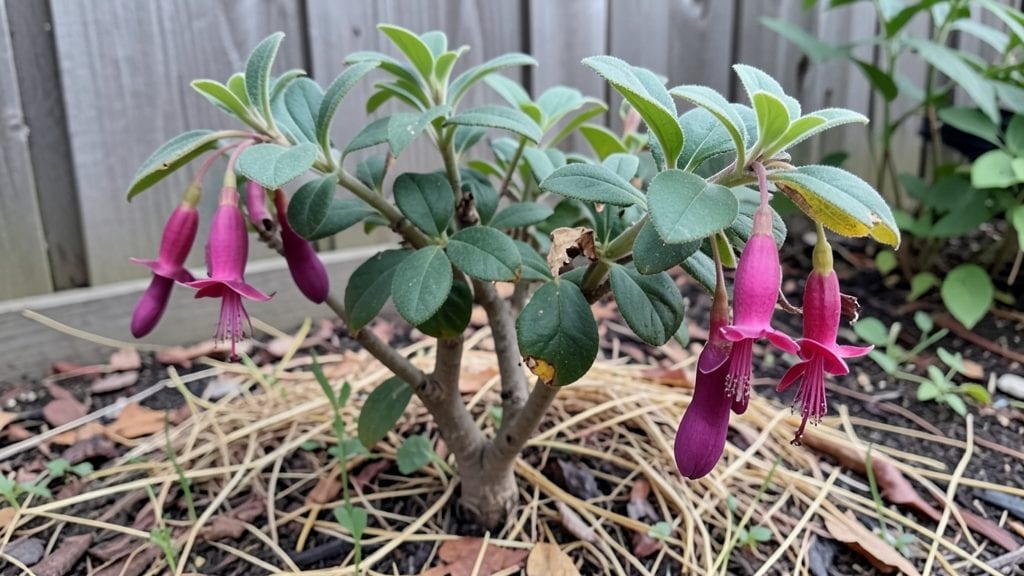
Fuchsia tree plants bring cascading blooms that turn any garden into a living watercolor. 🌿 I’ve grown them for years, and the secret to their year-round beauty isn’t complicated—it’s about matching their love of shade, consistent moisture, and gentle pruning.
The first time I saw Fuchsia magellanica covered in bell-shaped flowers, I knew it would become a staple in my garden.
You’ll need well-draining soil rich in organic matter, partial shade (especially in hotter climates), and regular watering to keep the roots happy. Most varieties, like the hardy Fuchsia magellanica or the showy Fuchsia hybrida, thrive in containers or as small shrubs.
Pruning after blooming encourages bushier growth and more flowers, while cuttings make propagation effortless for sharing with fellow plant lovers.
With the right care, your fuchsia will reward you with vibrant blooms from spring through fall—and sometimes even winter in milder zones. The velvety petals and glossy leaves add texture and color that’s impossible to ignore. Plus, they’re one of the few plants that actually ask to be admired.
Whether you’re growing them in pots on a patio or planting them in shaded garden beds, fuchsias adapt beautifully. They’re low-maintenance once established, making them perfect for gardeners who want drama without the fuss. Let’s get those roots settled so you can enjoy the show!
📚 In This Guide
- What you need
- Instructions
- Tips and common mistakes
- Wrapping up and next steps
What you need
- ● Fuchsia Tree Plant: Choose between: Seeds (for DIY growers—germination can take 2-4 weeks)
- ● Cuttings (4-6 inch stems with nodes, from a healthy plant)
- ● Nursery-bought sapling (3-6 inches tall, potted or bare-root)
- ● Well-draining potting mix: 2-3 gallons (for containers) or 1 cubic yard (for in-ground planting). Mix should include peat moss, perlite, and compost (ratio: 2:1:1).
- ● Pot or garden bed: Containers: 12-18 inch diameter pots with drainage holes (1 pot per plant).
- ● Garden beds: Partial shade spot with loose, fertile soil (amend with compost if needed).
- ● Fertilizer: Balanced 10-10-10 or 20-20-20 liquid fertilizer (diluted to half-strength).
- ● Mulch: 1-2 inches of organic mulch (e.g., bark or straw) to retain moisture.
- ● Pruning shears: Sharp, sterilized shears for trimming cuttings or dead growth.
- ● Trowel or shovel: For planting in garden beds.
- ○ Rooting hormone: Optional but helpful for cuttings (speeds up root growth).
- ● Spray bottle: For misting seeds or cuttings to maintain humidity.
- ● Plant labels: To track varieties (especially useful for seed-grown fuchsias!).
- ○ Support stake or trellis: Optional for climbing varieties (e.g., Fuchsia boliviana).
Step-by-Step instructions for growing a fuchsia tree plant
Here’s how to cultivate a thriving fuchsia tree with bold, cascading blooms—no green thumb required.
🌱 Step 1: Select the Right Fuchsia Variety and Pot
Choose a trailing fuchsia variety like Fuchsia boliviana or Fuchsia magellanica for their natural tree-like growth habit. These types develop sturdy stems capable of supporting their own weight when properly pruned. Use a 10-12 inch pot with drainage holes—fuchsias despise soggy roots, and a well-draining container prevents root rot.
Fill the pot halfway with high-quality potting mix (avoid garden soil—it compacts and suffocates roots). I like to add a handful of perlite to the mix for extra aeration. The reason? Fuchsias thrive in loose, well-draining soil that mimics their native woodland environments. Press the mix down lightly to remove air pockets but keep it fluffy enough for roots to spread easily.
💧 Step 2: Plant and Water for Immediate Root Establishment
Gently remove the fuchsia from its nursery pot and tease the roots apart if they’re circling. Place the plant in the center of your container, ensuring the top of the root ball sits just below the rim. This prevents water from pooling around the stem, which can cause rot. Fill the remaining space with more potting mix, pressing lightly to secure the plant without compacting the soil.
Water thoroughly until it drains freely from the bottom holes—this ensures the roots make contact with moisture immediately. After planting, let the top inch of soil dry out before watering again. Overwatering at this stage is the fastest way to kill a fuchsia; you’ll know you’ve nailed it when water runs out the drainage holes within 5-10 minutes but the soil surface stays slightly damp, not soggy.
☀️ Step 3: Position for Bright, Indirect Light
Fuchsias crave bright, indirect light—think of it as morning sun with afternoon shade. A south- or east-facing window works best, but avoid harsh afternoon rays, which scorch delicate leaves. If you’re growing indoors, supplement with a grow light positioned 12-18 inches above the plant for 6-8 hours daily. You’ll see the difference immediately: strong, glossy leaves and abundant blooms.
Rotate the pot a quarter turn weekly to encourage even growth. Without this, fuchsias stretch toward the light, creating leggy stems and sparse foliage. Watch for yellowing leaves—this is your signal the plant is getting too much direct sun. Move it back a few feet or add a sheer curtain to diffuse the light.
✂️ Step 4: Prune for Bushier Growth and More Blooms
Pinch back the tips of new growth when stems reach 4-6 inches to encourage branching. This is where the magic happens: pruning triggers the plant to produce more side shoots, resulting in a fuller, tree-like shape. Use clean, sharp scissors to make cuts just above a leaf node—never tear or crush the stems, as this invites disease.
After the first flush of blooms, trim back one-third of the oldest stems to the nearest leaf node. This rejuvenates the plant and redirects energy into new growth. Deadhead spent flowers regularly—removing them prevents seed pods from forming, which saps energy from future blooms. You’ll notice a surge in new flowers within 2-3 weeks of pruning.
🌿 Step 5: Feed and Maintain for Continuous Blooms
Fertilize every 2-3 weeks during the growing season (spring through fall) with a balanced, water-soluble fertilizer diluted to half strength. Fuchsias are heavy feeders, but too much fertilizer burns roots. I switch to a low-nitrogen, high-phosphorus formula when buds form to encourage more blooms. Always water the plant first, then apply fertilizer to prevent root burn.
Reduce watering slightly in winter, allowing the top 1-2 inches of soil to dry out between waterings. Fuchsias enter a semi-dormant state in cooler months, and overwatering leads to root rot. Watch for drooping leaves—this is a classic sign of underwatering, but wilting combined with yellowing leaves means you’re overdoing it. Adjust your watering schedule based on what you observe.
Tips & tricks for perfect fuchsia tree plant care
A few strategic moves will help you cultivate a fuchsia tree that thrives with minimal fuss and maximum beauty.
Soil Preparation Secret: The key to healthy roots starts in Step 1 with soil composition. While the instructions call for high-quality potting mix with perlite, I recommend adding a thin layer of orchid bark (about 10%) to the mix. This creates even better aeration and mimics the fuchsia's natural woodland habitat. The bark also helps retain moisture without compacting like regular soil would. After mixing, give it a gentle press to settle—just enough to remove air pockets without compressing the structure.
Watering Wisdom: In Step 2, those 5-10 minutes of drainage time are crucial but often misunderstood. I've learned the hard way that "slightly damp" means you should be able to squeeze a handful of soil and feel slight resistance—not a wet squish. Use a moisture meter if you're unsure, as fuchsias are particularly sensitive to overwatering. A good rule of thumb is to water when the top inch feels dry to the touch, but never let the plant sit in standing water.
Lighting Strategy: For Step 3, the 6-8 hours of grow light exposure makes all the difference when indoor lighting is insufficient. Position your grow light so it's just above the plant's canopy—this prevents leaf burn while ensuring even coverage. I've found that LED grow lights with a full spectrum (especially red and blue wavelengths) produce the best results. If you notice leaves stretching toward the light, it's time to rotate the plant and possibly increase light duration by 1-2 hours.
Pruning Precision: When you reach Step 4 and pinch back those 4-6 inch stems, aim for a clean cut just above the leaf node at a 45-degree angle. This angle helps water run off rather than pool on the cut, reducing disease risk. For the one-third stem trim after blooming, focus on the oldest, most woody stems first—they're the ones that have already given their best blooms. The plant will respond with vigorous new growth within those 2-3 weeks, but be patient if it takes a few days to show signs of recovery.
Pro Tips for Fuchsia Tree Plant
- A few strategic moves will help you cultivate a fuchsia tree that thrives with minimal fuss and maximum beauty.
- Soil Preparation Secret: The key to healthy roots starts in Step 1 with soil composition.
- Watering Wisdom: In Step 2, those 5-10 minutes of drainage time are crucial but often misunderstood.
Frequently asked questions
Got questions about growing your own fuchsia tree plant?
You’re not alone! Here are answers to the most common queries—from planting to troubleshooting—so you can enjoy those stunning blooms with confidence.
How often should I water my fuchsia tree plant?
Water your fuchsia tree plant when the top inch of soil feels dry. Aim for consistent moisture—especially during hot months—but avoid soggy roots. Mulching helps retain moisture. Pro tip: Check soil moisture in the morning for accuracy!
Can fuchsia trees survive winter outdoors?
Most fuchsia trees are tender perennials and can’t handle frost. In cold climates, bring potted plants indoors before temperatures drop below 50°F (10°C). If planted in the ground, mulch heavily or grow them as annuals. Bonus: Some varieties thrive in containers year-round!
Why aren’t my fuchsia blooms lasting long?
Short-lived blooms often mean overcrowded roots or lack of sunlight. Prune leggy growth, ensure 6+ hours of sun, and fertilize lightly with a balanced bloom booster (like 10-10-10). Deadheading spent flowers can encourage more blooms!
What’s a low-maintenance alternative to fuchsia trees?
If fuchsias feel finicky, try bougainvillea (drought-tolerant, vibrant) or pentas (long-lasting blooms, heat-loving). Both thrive in similar sunny spots with minimal fuss. Quick tip: Pentas also attracts pollinators—double win!
How do I prevent pests like aphids on my fuchsia?
Aphids love fuchsias! Prevent them with neem oil sprays or introduce ladybugs. For infestations, blast off pests with water or use insecticidal soap. Early action is key—check undersides of leaves weekly.
Still stumped? Drop your question in the comments—we’re happy to help your fuchsia flourish!
Wrapping up and next steps
The fuchsia tree plant is a stunning, low-maintenance addition that brings year-round color to your garden with minimal effort! Whether you’re drawn to its cascading blooms or its adaptability, this plant proves that beauty doesn’t require a green thumb.
Ready to transform your outdoor space? Start by choosing the perfect spot—sunny or shaded—and grab your supplies to plant with confidence.
🌱 Pro tip: Share your progress or tag us in your fuchsia photos—we’d love to see your vibrant garden come to life!