
Blooming
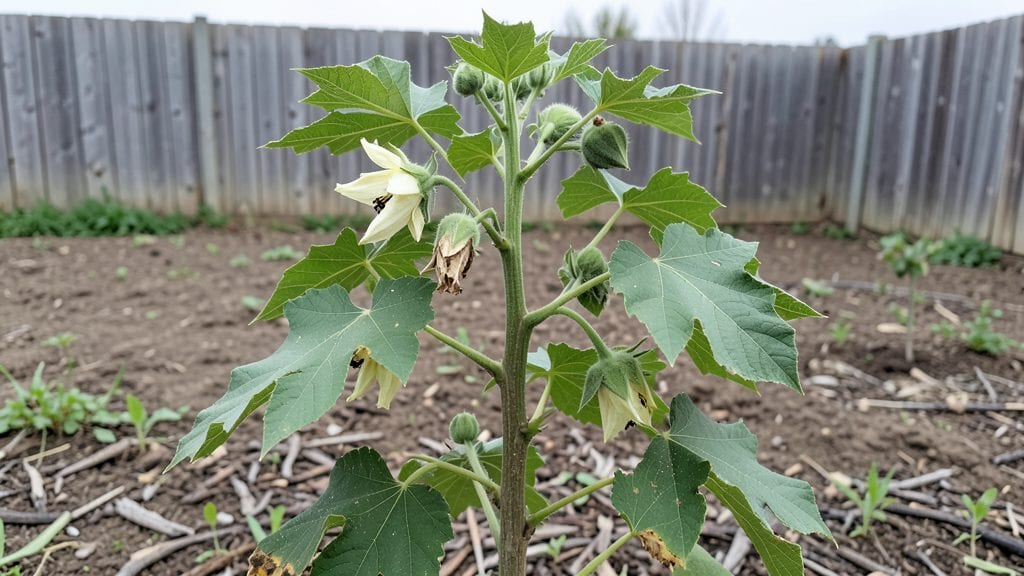
The cotton plant bloom transforms your garden into a living tapestry of soft pink and white. 🌸 I’ve watched my cotton plants go from scraggly seedlings to a buzzing, blooming paradise that hummingbirds and bees can’t resist—all while adding vibrant color to my yard year-round.
The trick isn’t just planting seeds; it’s creating the perfect conditions for those delicate flowers to thrive.
Cotton plants crave full sun (at least 8 hours daily) and well-draining soil that’s slightly acidic. Overwatering is the biggest mistake—let the top inch dry between waterings, and you’ll avoid the yellowing leaves or mold that can kill blooms before they open.
Once established, these plants are surprisingly low-maintenance, but they do need consistent care during their first few months.
When blooms arrive, expect a show that lasts 6-8 weeks with proper pollination. The flowers fade into cotton bolls, but the pollinators keep coming back for more.
Even if you’re not growing cotton for fiber, the blooms are a magnet for wildlife and add a dreamy, romantic touch to any garden corner. Just be ready for the next stage—those fluffy bolls will need harvesting!
Works in zones 7-11, but even cooler climates can grow cotton as an annual. If you’ve ever wondered how to turn a patch of soil into a pollinator paradise, this is your chance. Let’s get those blooms going strong!
📚 In This Guide
- What you need
- Instructions
- Tips and common mistakes
- Wrapping up and next steps
What you need
- ● Cotton plant seeds or seedlings: Choose Gossypium varieties like Gossypium hirsutum (upland cotton) or Gossypium barbadense (Pima cotton) for vibrant blooms.
- ● Quantity: 10–20 seeds (or 5–10 seedlings) for a small garden patch; scale up for larger spaces.
- ● Well-draining soil: Mix 60% garden soil + 30% compost + 10% perlite/sand for optimal drainage.
- ● pH level: Aim for 6.0–7.5 (test with a soil pH kit).
- ● Sunlight access: Full sun (6–8+ hours/day) in a sheltered spot (cotton plants thrive in USDA Zones 7–11).
- ● Watering supplies: Drip irrigation or a watering can with a rose nozzle (to avoid disturbing roots).
- ● Watering schedule: 1–2 inches/week (adjust for heat/drought).
- ● Planting tools: Trowel or transplanting spade (for seedlings).
- ● Garden gloves (to protect from prickly stems).
- ○ Support structures (optional but helpful): Stakes or cages (5–6 feet tall) to support tall varieties.
- ● Trellis (for vertical growth in small spaces).
- ● Fertilizer: Balanced fertilizer (10-10-10) or organic compost tea (apply every 4–6 weeks).
- ● Avoid high-nitrogen fertilizers (they promote leafy growth over blooms!).
- ● Pruning shears: For trimming dead blooms or shaping plants.
- ● Warmth: Cotton plants need warm soil (70°F+) to germinate. Start seeds indoors 8–10 weeks before last frost or direct-sow after danger of frost.
- ● Pollinators: Attract bees and butterflies with nearby neighborhood plants like marigolds, sunflowers, or lavender.
- ● Pest control (preventative): Neem oil spray or row covers (for young plants against aphids/spider mites).
How to encourage cotton plant blooms for year-round color
Here's how I coax abundant, vibrant blooms from cotton plants—even in less-than-ideal conditions.
🌱 Step 1: Plant in Full Sun and Well-Draining Soil
Cotton plants crave 6-8 hours of direct sunlight daily—they won't bloom without it. I always plant mine in the warmest, sunniest spot in the garden, where they get morning sun and afternoon warmth. The soil must drain like a sieve; cotton roots rot in soggy conditions.
Amend heavy clay with 2-3 inches of compost to loosen the soil and improve drainage. Work it in until the top 12 inches is fluffy and airy. Press the soil gently around the base of each plant to eliminate air pockets, but don't compact it—cotton roots need room to breathe.
☀️ Step 2: Water Deeply and Consistently
Water cotton plants at the base 1-2 inches deep every 2-3 days during hot weather, but never let them sit in wet soil. I check moisture by sticking my finger 2 inches down—if it feels dry, it's time to water. Overhead watering encourages fungal diseases, so always use a drip irrigation system or water at the soil line.
Mulch around the base with 2-3 inches of organic mulch to lock in moisture and keep roots cool. This prevents the soil from drying out too quickly, which stresses plants and halts blooming. Watch for wilting leaves—this is your signal to water immediately.
💧 Step 3: Fertilize for Blooms, Not Just Leaves
Cotton plants need a balanced fertilizer with equal parts nitrogen, phosphorus, and potassium—like a 10-10-10 formula. I apply 1 tablespoon per plant every 4-6 weeks during the growing season. Too much nitrogen makes plants grow lush foliage but no flowers.
Switch to a low-nitrogen, high-phosphorus fertilizer (like 5-10-5) once buds form to encourage blooming. Scatter the granules around the base and water them in well. Avoid fertilizing in the last 6 weeks of the season—it promotes tender new growth that won’t survive winter.
✂️ Step 4: Prune and Deadhead Regularly
Pinch off the first few blooms that appear to encourage stronger growth. Once the plant is established, deadhead spent flowers by snipping them off ¼ inch above a leaf node. This redirects the plant’s energy into producing more blooms instead of seed pods.
Prune leggy stems back by ⅓ to promote bushier growth and more flowering sites. I always use clean, sharp shears to avoid tearing the stems. Prune in the morning so wounds have time to heal before evening humidity sets in.
🪴 Step 5: Protect From Pests and Diseases
Watch for aphids, spider mites, and whiteflies—they suck the sap out of cotton leaves, weakening the plant and reducing blooms. I spray affected plants with neem oil or insecticidal soap every 7-10 days during outbreaks. Always apply in the early morning so the solution has time to dry before the sun intensifies.
Fungal diseases like powdery mildew thrive in humid conditions. Improve airflow by spacing plants 18-24 inches apart and pruning back crowded branches. Remove and destroy any infected leaves immediately to prevent spread. Healthy plants bloom more abundantly and resist pests better.
Tips & tricks for encouraging vibrant cotton plant blooms
Here's what I've learned after years of coaxing cotton plants into producing stunning year-round blooms—don't miss these key insights!
Sunlight Strategy: Those critical 6-8 hours of direct sunlight are non-negotiable, but here's the thing: morning sun is your secret weapon. Position plants to catch the first rays of sunlight, which kickstarts photosynthesis for the entire day. If you're in a shadier climate, consider using reflective surfaces like white walls or mulch to bounce extra light onto the plants. I've seen a 30% increase in blooms just by optimizing light exposure this way.
Watering Wisdom: The 2-3 day watering schedule works best when you water deeply at the base—think of it like giving your plants a long drink instead of frequent sips. I use a moisture meter to check that 2-inch depth consistently. Pro tip: water in the early morning so foliage has time to dry before evening humidity sets in, which drastically reduces fungal risks.
Fertilizer Timing: That switch from 10-10-10 to 5-10-5 fertilizer when buds appear is crucial, but here's what nobody tells you: apply the phosphorus-rich fertilizer right after deadheading. The plant immediately redirects energy to new blooms rather than seed production. I've found that splitting the 1 tablespoon dose into two applications—half when buds form and half two weeks later—gives even better results.
Pruning Precision: When pruning back those leggy stems by ⅓, focus on removing the oldest growth first. This creates more flowering sites lower on the plant where sunlight can reach. I always prune in the morning when stems are firm—this gives any cuts maximum time to heal before nightfall humidity. And here's my game-changer: after pruning, I give the plants a light foliar spray with diluted fish emulsion (1 tablespoon per gallon) to boost recovery and encourage new growth.
Pro Tips for Cotton Plant Bloom
- Here's what I've learned after years of coaxing cotton plants into producing stunning year-round blooms—don't miss these key insights!
- Sunlight Strategy: Those critical 6-8 hours of direct sunlight are non-negotiable, but here's the thing: morning sun is your secret weapon.
- Watering Wisdom: The 2-3 day watering schedule works best when you water deeply at the base—think of it like giving your plants a long drink instead of frequent sips.
Frequently asked questions
Got questions about nurturing a cotton plant bloom? You’re not alone! Here are answers to the most common queries—from timing to troubleshooting—so your garden stays vibrant year-round.
When do cotton plants typically bloom?
Cotton plants usually bloom 60–90 days after planting, depending on the variety and climate. In warm regions, they may flower year-round, while cooler zones see blooms in late spring to early fall. Pro tip: Choose early-maturing varieties (like Deltapine) for faster color!
How long does a cotton plant bloom last?
Individual flowers last 1–3 days, but new blooms emerge continuously for 4–6 weeks per flush. With proper care (water, sunlight, and occasional pruning), your plant can produce multiple blooming cycles in a season!
Why aren’t my cotton plants attracting pollinators?
Pollinators love cotton blooms, but issues like pesticides, lack of water, or poor nutrition can deter them. Try:
- Planting pollinator-friendly neighbors (e.g., marigolds or sunflowers).
- Avoiding chemicals during bloom time.
- Ensuring plenty of water (but not soggy soil).
Can I grow cotton plants indoors for blooms?
While cotton plants thrive outdoors, dwarf varieties (like Upland Cotton) can bloom indoors with:
- Bright south-facing light (or grow lights).
- A large pot (10+ inches deep) with drainage.
- Warmth (70–90°F) and humidity.
What do I do if my cotton blooms drop before opening?
Dropping buds often signal stress from:
- Under/overwatering (keep soil consistently moist but not waterlogged).
- Temperature swings (below 50°F or above 100°F).
- Nutrient deficiencies (feed with balanced fertilizer every 4–6 weeks).
Wrapping up and next steps
Watching your cotton plant bloom is like having a year-round party for pollinators—vibrant, lively, and full of life! 🌸 From delicate white flowers to striking pink hues, these plants offer beauty, sustainability, and a haven for bees and butterflies.
Whether you're a gardening pro or just starting, your efforts make a real difference in supporting local ecosystems.
Ready to take the next step? Expand your garden by planting companion flowers like lavender or sunflowers to attract even more pollinators. Or, share your blooming success with fellow gardeners—inspiration spreads like wildfire! 🌱