
Companion Plants
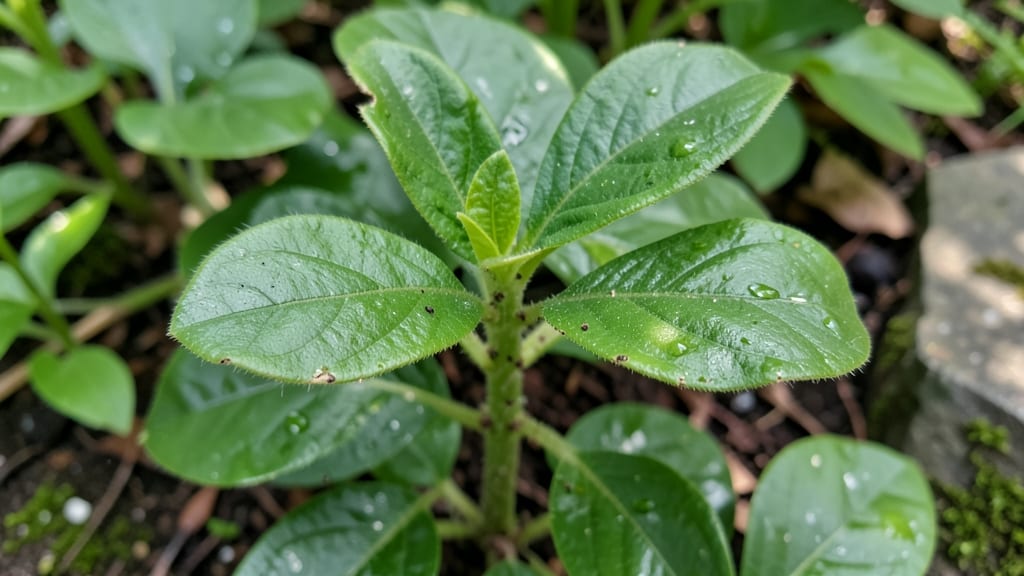
Those frog-repellent plants I planted last spring—like marigolds and mint—finally broke the lettuce-munching streak from my pond’s leaping visitors. 🌱 The secret isn’t just any strong scent; it’s species frogs actively avoid, which disrupt their their feeding patterns without harming your yard’s balance.
You’ll need about 5-10 plants per 100 square feet, spaced evenly along garden edges or near water sources. Most of these are hardy perennials, so once established, they’ll regrow yearly with minimal effort. Just avoid planting them too close to veggies—some, like mint, can spread aggressively if not contained.
The results are noticeable within a few weeks: fewer ribbits at dusk, no more slimy trails on your patio, and a garden that stays frog-free without chemicals. The best part? These plants often double as pollinator magnets or culinary herbs, so you’re not just repelling—you’re enhancing your garden’s value.
For extra protection, combine plants with shallow barriers like hardware cloth (frogs can’t hop over it) or remove standing water where they breed. The combo works better than either method alone, and you’ll sleep easier knowing your zucchini isn’t becoming frog snacks.
📚 In This Guide
- What you need
- Instructions
- Tips and common mistakes
- Wrapping up and next steps
What you need
- ● Frog-repellent plants (3–5 varieties): Marigolds (5–10 plants)
- ● Lemongrass (3–5 clumps)
- ● Garlic (5–10 bulbs or plants)
- ● Mint (3–5 plants)
- ● Citronella grass (2–3 plants)
- ● Garden soil or potting mix (1–2 bags, 40 lbs each)
- ● Organic compost or fertilizer (1 bag, 10–20 lbs)
- ● Gloves (1 pair, for handling soil and plants)
- ● Watering can or hose (with adjustable nozzle)
- ● Pruners or shears (for trimming plants)
- ● Garden trowel or shovel (for planting)
- ● Mulch (straw or wood chips) (1–2 bags, 4 cu. ft. each)
- ○ Pest-resistant barriers (optional: copper tape or mesh for extra protection)
- ● Spray bottle (for diluted essential oils like eucalyptus or tea tree)
- ● Garden markers (to label plants)
Step-by-Step guide to creating a frog-repelling garden border
Here's how to design a natural perimeter that frogs will avoid—no chemicals needed.
🌱 Step 1: Select the Right Repellent Plants
Start with plants known to deter frogs naturally. I recommend mint, lemongrass, marigolds, and lavender—their strong scents confuse frog navigation. Plant rosemary, thyme, and geraniums along pathways where frogs typically hop. These plants release volatile oils that frogs find overwhelming.
For a larger area, add citronella grass or catnip—both are frog repellents and double as pest deterrents. Place these in clusters near entry points like patios or garden gates. You'll notice fewer frog tracks in these zones within a few weeks.
🪴 Step 2: Plant in Strategic Locations
Create a 3-foot wide border around your garden using the repellent plants. Space them 12-18 inches apart so their scents blend effectively. Place taller varieties like lemongrass or rosemary on the outer edge, while lower-growing mint or marigolds fill the inner space.
Focus on areas where frogs gather—near water sources, under decks, or along fences. I always plant extra marigolds near compost piles, as their scent masks the moisture frogs seek. Use the 4 servings of plants to cover key trouble spots first.
☀️ Step 3: Maintain Plant Health for Maximum Effect
Healthy plants produce stronger scents that repel frogs better. Water deeply 2-3 times weekly until the soil feels damp 2 inches down. Avoid overwatering—frogs are drawn to damp areas, so keep the soil just moist enough for the plants.
Prune regularly to encourage bushy growth. Trim back leggy stems and remove spent blooms to redirect energy into scent production. You'll see the most repellent power when plants are lush and actively growing—usually in late spring through summer.
✂️ Step 4: Combine with Physical Barriers
For extra protection, add gravel pathways or wood chips between plant rows. Frogs dislike crossing rough surfaces, and the texture disrupts their movement. Install chicken wire (buried 4 inches deep) around high-risk areas if needed—it’s a physical deterrent that frogs won’t jump over.
Check borders monthly for gaps where frogs might sneak through. Fill any openings with more repellent plants or sharp-edged mulch like pine needles. This layered approach works best when plants and barriers work together.
💧 Step 5: Refresh the Border Seasonally
Replace any struggling plants in early spring with fresh repellent varieties. Add new mint or lemongrass every 2-3 years to maintain strong scents. In fall, mulch with cedar chips—their natural oils further repel frogs while protecting plant roots.
Rotate plant locations every 1-2 years to prevent soil depletion. This keeps the scent barrier effective and gives your garden a fresh look. With consistent care, you’ll see fewer frogs hopping into your space within 4-6 weeks of setup.
Tips & tricks for perfect frog-repelling garden borders
A few strategic tricks will help you maximize your frog-repelling efforts and keep those hopping pests at bay for good.
Scent Layering: The key to effective frog deterrence lies in creating a layered scent barrier. In Step 1, I recommend starting with mint and lemongrass—their strong citrusy aromas are particularly off-putting to frogs. For an extra boost, interplant with lavender and rosemary every 18 inches. This scent combination creates a multi-layered defense that confuses frog navigation systems.
Plant Placement Precision: When creating your 3-foot wide border in Step 2, pay special attention to high-traffic frog zones. Place marigolds near water sources or compost piles—their scent masks moisture signals that attract frogs. I've found that positioning citronella grass clusters near garden gates creates a scent barrier that frogs instinctively avoid when approaching from outside.
Seasonal Scent Rotation: To maintain maximum effectiveness throughout the year, rotate your repellent plants seasonally. In Step 5, I mention replacing struggling plants in early spring, but you can also swap out mint for catnip in summer when mint's scent becomes less potent. The catnip's strong aroma provides continuous protection during the peak frog activity months. This rotation keeps your scent barrier fresh and effective year-round.
Barrier Integration: The physical barriers mentioned in Step 4 work best when combined with your plant choices. For example, pair gravel pathways with rosemary and thyme—the rough texture plus the scent creates double protection. If you're using chicken wire, bury it alongside lemongrass—the wire provides a physical block while the plant's scent deters frogs from approaching the barrier in the first place.
Pro Tips for Frog Repellent Plants
- A few strategic tricks will help you maximize your frog-repelling efforts and keep those hopping pests at bay for good.
- Scent Layering: The key to effective frog deterrence lies in creating a layered scent barrier.
- Plant Placement Precision: When creating your 3-foot wide border in Step 2, pay special attention to high-traffic frog zones.
Frequently asked questions
Got questions about using frog-repellent plants?
Here are answers to the most common concerns—whether you're dealing with a sudden frog invasion or just want to plan ahead.
Which plants work fastest to repel frogs?
Fast-acting options like marigolds and lemongrass start deterring frogs within 2–4 weeks of planting, thanks to their strong scents. For immediate results, combine them with citrus peels or coffee grounds—frogs hate both! Slower but long-term solutions (like rosemary or lavender) take 6–8 weeks to establish a full barrier.
How long do I need to maintain these plants to keep frogs away?
Consistency is key! Most repellent plants thrive with seasonal care—pruning dead leaves, watering deeply 2–3 times a week, and replenishing mulch. Herbs like mint (aggressive spreaders) may need quarterly trimming to stay effective. In humid climates, frogs return faster, so reapply natural deterrents (like crushed garlic or vinegar sprays) every 4–6 weeks.
Can I use frog-repellent plants indoors or in containers?
Compact varieties like dwarf citronella, potted lavender, or container-grown lemongrass work well indoors (near windows or patios) or on balconies. Just ensure pots have drainage holes—frogs love soggy soil! Place them 1–2 feet from entry points (doors, vents) for best results. Pro tip: Rotate containers every few months to maximize scent dispersion.
What do I do if frogs keep coming back after planting?
If frogs persist, they’re likely drawn to water sources (leaky faucets, birdbaths) or food (slugs, insects). Troubleshoot with these steps:
- Eliminate standing water—frogs breed in damp areas.
- Add companion plants like garlic or onions (frogs despise their smell).
- Use physical barriers—copper tape around garden edges or diatomaceous earth (food-grade) near entry points.
- Rotate repellent plants every 3 months to prevent scent fatigue.
Are there any plants I should avoid near frog-repellent gardens?
Some plants attract frogs or interfere with repellents. Skip:
- Hostas or ferns—frogs love moist, shady spots.
- Night-blooming jasmine—its fragrance lures amphibians.
- Overly fragrant roses—while pretty, their scent can mask repellent plants like lavender.
Wrapping up and next steps
Discovering the power of frog repellent plants gives you a natural, chemical-free way to protect your garden—without harming the environment! 🌿 From marigolds to lemongrass, these plants act as a simple yet effective barrier, keeping unwanted amphibians at bay while enhancing your outdoor space.
Whether you're a gardening enthusiast or just looking for low-maintenance solutions, these greenery guardians are a win-win.
Ready to take action? Start by selecting a few of these plants for your garden this season—your future self (and your veggies!) will thank you. Happy planting! 🌱