
Companion Plants
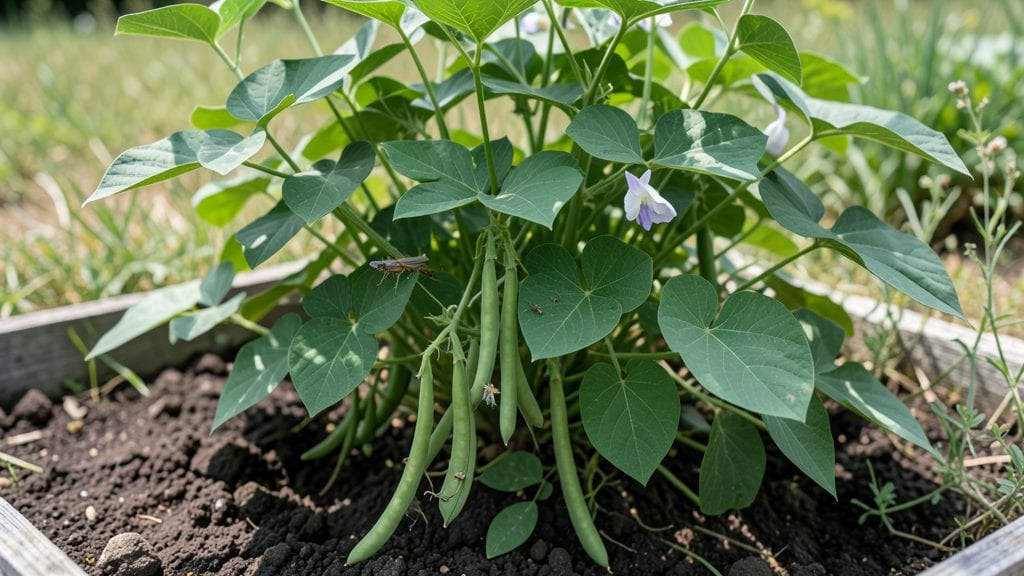
Grasshoppers on plants devour foliage with alarming speed, stripping leaves and flowers in days and leaving plants weakened or dead. Their mobility—via wind, equipment, or migration—means infestations can explode overnight, demanding quick action to protect garden health.
These pests aren't just annoying—they're destructive. 🔥 Grasshoppers target over 600 plant species, including vegetables, grains, and ornamental flowers, with their powerful chewing mouthparts. Nymphs (young grasshoppers) are just as damaging, often hiding in dense foliage until they mature.
Drought or overcrowded gardens create perfect breeding grounds, turning a small problem into a full-blown outbreak faster than you can react.
Understanding their lifecycle helps explain why prevention is key. Adults lay eggs in soil during summer, which hatch into nymphs by spring—meaning your garden could face a double threat in peak growing months.
The damage patterns are unmistakable: jagged leaf edges, skeletonized foliage, and chewed stems that stunt growth. Without intervention, plants can't recover, leading to lost harvests or dead landscaping.
💡 In This Article
- How Grasshoppers Devastate Plant Growth
- 3 Effective Natural Grasshopper Repellents for Gardens
How grasshoppers devastate plant growth
Grasshoppers attack plants using powerful mandibles—jaw-like mouthparts designed to crush and chew through plant tissue with a force of up to 100 times their body weight. Their preferred targets include corn, soybeans, alfalfa, and ornamental flowers, but they'll devour almost any green vegetation when hungry.
The damage isn't just superficial: their feeding creates notched leaf edges and skeletonized foliage (where only the leaf veins remain), which severely reduces a plant's ability to photosynthesize.
Nymphs (young grasshoppers) are equally destructive, often hiding in dense ground cover until they reach adulthood. What makes them particularly dangerous is their rapid growth rate: a nymph can grow 100 times larger in just 6-8 weeks, turning a single egg into a swarming menace.
Adults, meanwhile, can fly up to 15 miles per day, spreading infestations across entire regions. The combination of their mobility and insatiable appetite means gardens can go from a few scattered pests to a full-blown outbreak in just 2-3 weeks during peak season.
Environmental factors like drought or overcrowded gardens accelerate these outbreaks by stressing plants, making them more vulnerable. Drought weakens plant defenses, while dense foliage provides perfect hiding spots for nymphs.
Even a single egg pod (containing 10-50 eggs) buried in soil can hatch into hundreds of hungry grasshoppers, turning a small patch of garden into a feeding ground. The visual damage patterns—irregular holes, chewed stems, and wilting plants—are unmistakable signs of an infestation.
What most gardeners don't realize is how quickly grasshoppers can outcompete beneficial insects. A single adult can consume its own weight in plant material daily—about 0.1-0.2 grams—while nymphs eat even more relative to their size.
This relentless feeding disrupts pollination cycles and weakens plants' immune responses, making them susceptible to diseases. The result? A garden that looks like it's been hit by a green tornado, with plants struggling to recover even after the pests are gone.
Here's the kicker: grasshoppers don't just target crops—they go after young seedlings and flowers too. Their preference for tender new growth means your prized tomatoes, peppers, and roses are at high risk. The damage isn't just cosmetic; it can stunt growth, reduce yields, and even kill plants if left unchecked.
Without intervention, a single grasshopper can turn a thriving garden into a wasteland in under a week.
Understanding these patterns helps explain why early detection is critical. A few scattered grasshoppers might seem harmless, but their reproduction rate means a small problem can become catastrophic in just a few weeks.
The key to protection lies in recognizing the early signs—tiny bite marks, notched leaves, or sudden wilting—and acting before the infestation spirals out of control.