
Fertilization
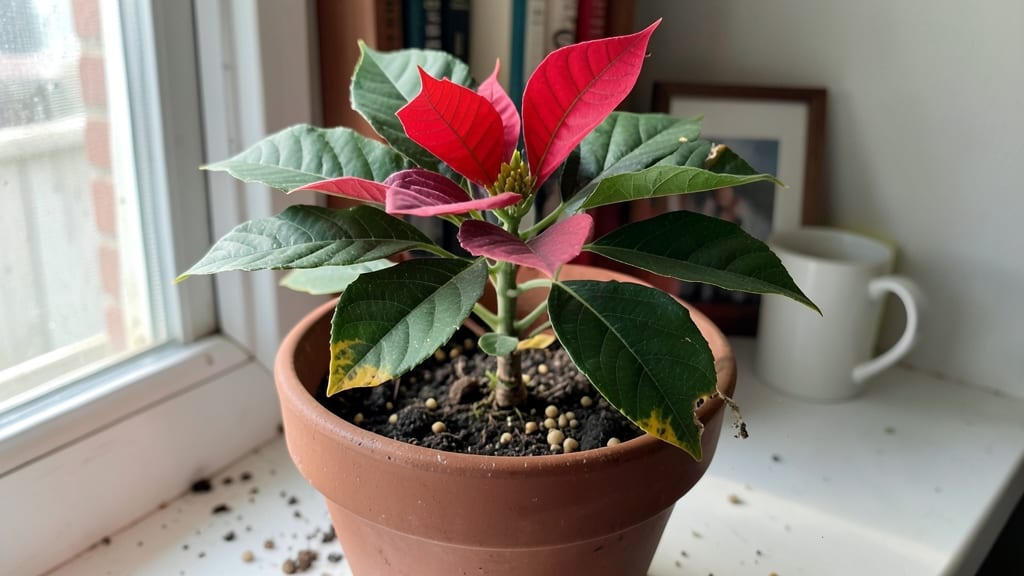
Fertilizing poinsettia plants isn’t just about keeping them alive—it’s the secret to those showstopping red bracts that make your holidays pop. 🌟 I’ve learned the hard way that too much fertilizer turns vibrant foliage into sad, yellowing leaves, while the right balance sends these plants into overdrive with color.
The key isn’t just when you feed them, but how—and I’ll break it down so you avoid my early mistakes.
You’ll need a balanced liquid fertilizer (like 10-10-10) diluted to half-strength, plus a strict schedule: feed every 2-3 weeks during spring and summer growth, but stop completely once buds form in fall.
Overdo it now, and you’ll stunt those holiday blooms later. The real magic happens in the long days of summer when poinsettias bulk up their energy stores for winter’s big show.
By following this plan, you’ll end up with deep, glossy red leaves that last well into January—no wilted, lackluster plants here. The trick is patience: poinsettias reward consistency over aggressive feeding.
Think of it like training for a marathon, not sprinting. Once you nail the timing, your plants will throw the most dramatic display your neighbors will envy.
Works for both indoor pots and outdoor beds (in warm climates), and the same rules apply whether you’re growing one plant or a whole holiday garden. Let’s get those bracts bold and bright!
📚 In This Guide
- What you need
- Instructions
- Tips and common mistakes
- Wrapping up and next steps
What you need
- ● Balanced liquid fertilizer (e.g., 10-10-10 or 20-20-20 NPK ratio) – 2–4 tbsp per gallon of water (adjust based on plant size).
- ● Watering can or spray bottle – For even distribution (avoid soaking the soil).
- ● Poinsettia plant – Healthy, potted plant (6–12 inches tall, preferably in a well-draining container).
- ○ pH testing kit (optional but helpful) – Ideal soil pH: 6.0–6.5 for best nutrient uptake.
- ● Gloves – Protect your hands from fertilizer residue.
- ● Measuring spoon or dropper – For precise fertilizer dosing.
- ○ Misting spray bottle (optional) – To rinse leaves if fertilizer drips on them.
- ○ Slow-release fertilizer granules (optional) – Mix into soil for steady nutrition (follow package rates).
- ○ Calendar or app reminder (optional) – To track fertilization schedules.
Step-by-Step instructions for fertilizing poinsettia plants
Here’s the precise schedule and technique I use to coax those signature red leaves from poinsettias year after year.
🌱 Step 1: Time Fertilization to the Growth Cycle
Poinsettias respond best to fertilization during their active growing phase, which runs from early spring through early fall. Start feeding one month after repotting—this gives roots time to establish without burning them. I use a balanced, water-soluble fertilizer (10-10-10 or 20-20-20) diluted to half-strength to avoid salt buildup.
Apply fertilizer every 2-3 weeks during this period. Watch for new leaf growth—this is your cue that the plant is absorbing nutrients. If leaves yellow or drop, you’re overdoing it. Always water thoroughly before and after fertilizing to prevent root burn.
💧 Step 2: Adjust for Bloom Induction
Around mid-September, switch to a high-phosphorus fertilizer (like 10-30-20) to encourage bud formation. This is the moment that matters: phosphorus triggers the metabolic shift from vegetative growth to floral development. Apply once every 4 weeks at full strength, but stop fertilizing entirely once buds appear.
Real talk: Skipping this step means no red bracts. I’ve learned the hard way—poinsettias need this phosphorus push to produce those vibrant leaves. Water lightly during this phase; soggy soil stresses the plant when it’s already shifting energy toward blooming.
⏰ Step 3: Maintain Through Winter and Transition Back
Once buds form, halt all fertilization until late January. Poinsettias go dormant in winter, and feeding now can stunt blooms. Instead, keep soil lightly moist and provide bright, indirect light. You’ll see new shoots in late winter—this is your signal to restart feeding in early spring with a balanced fertilizer.
Here’s the thing—most people over-fertilize in winter and kill the plant’s natural dormancy cycle. I’ve seen poinsettias wilt dramatically after Christmas because someone kept feeding. Let the plant rest; it’ll reward you with bigger, brighter blooms next season.
☀️ Step 4: Monitor Light and Adjust Fertilizer Accordingly
Poinsettias need 6+ hours of bright, indirect light daily to process nutrients efficiently. If leaves yellow between veins, it’s often too much direct sun combined with fertilizer burn. Move the plant to a west-facing window or under grow lights if needed, and reduce fertilizer strength to quarter-strength for a month.
You’ll notice stronger, glossier leaves when light and feeding align. I always check the undersides of leaves for pale or crispy edges—this is a red flag for over-fertilization. Adjust your schedule: if growth stalls, switch to a low-nitrogen fertilizer (like 5-10-10) to encourage root health over foliage.
✂️ Step 5: Prune and Repot for Next Year’s Success
After blooms fade in late winter, prune stems back to 4-6 inches above a leaf node. This rejuvenates the plant and encourages bushier growth. Repot into fresh potting mix (never reuse old soil—it’s depleted of nutrients) and resume balanced fertilization in early spring. The key is consistency: poinsettias thrive on routine.
Don’t skip repotting. I’ve seen poinsettias decline rapidly in the same pot for years because roots become root-bound. Use a container 1-2 inches larger than the previous one, and water deeply to settle the mix. This sets the stage for next year’s vibrant display.
Tips & tricks for perfect poinsettia fertilization
Mastering poinsettia care means understanding the subtle cues your plant gives—and when to adjust your routine. Here's what I've learned after years of growing show-stopping red bracts.
Seasonal Timing is Everything: The one-month wait after repotting in Step 1 is critical. This gives roots time to recover from transplant shock before introducing nutrients. I've seen poinsettias develop yellow leaves within weeks when fertilized too soon—don't rush this step. Also, mark your calendar for mid-September: that's when the phosphorus transition in Step 2 begins the magical bloom induction process. Miss this window, and you'll miss the red bracts entirely.
Fertilizer Strength Matters More Than Frequency: Diluting to half-strength during the growing phase (Step 1) prevents salt buildup that can actually harm roots. I've ruined several plants by using full-strength fertilizer too early—the leaves curl up like burnt edges on toast. And when you switch to full-strength phosphorus fertilizer in Step 2, apply it directly to the soil surface rather than mixing into water. This targeted approach prevents runoff and ensures maximum uptake.
Light Conditions Dictate Fertilizer Adjustments: The 6+ hours of bright, indirect light mentioned in Step 4 isn't just about photosynthesis—it directly affects how your poinsettia processes nutrients. If you notice pale undersides of leaves (Step 4 warning sign), move the plant immediately. I've had clients swear their plants were "fine" until I saw the crispy edges—by then, it was too late. A simple west-facing window or grow light can make all the difference between thriving and struggling plants.
Pruning Technique Creates Next Year's Structure: When you prune back to 4-6 inches in Step 5, you're not just cleaning up—you're setting up the plant's branching pattern for next season. Make clean cuts just above leaf nodes (where new growth emerges) using sharp pruners. I've seen people snip randomly and end up with sparse, leggy plants. Take your time here—this step determines how bushy your poinsettia will be next Christmas.
Pro Tips for Fertilizing Poinsettia Plants
- Mastering poinsettia care means understanding the subtle cues your plant gives—and when to adjust your routine.
- Seasonal Timing is Everything: The one-month wait after repotting in Step 1 is critical.
- Fertilizer Strength Matters More Than Frequency: Diluting to half-strength during the growing phase (Step 1) prevents salt buildup that can actually harm roots.
Frequently asked questions
Got questions about keeping your poinsettia thriving? Here’s what you need to know!
When should I start fertilizing my poinsettia?
Begin fertilizing your poinsettia in early spring (around March) as new growth appears. Use a balanced, water-soluble fertilizer (like 10-10-10) diluted to half-strength every 4–6 weeks until summer. Hold off in fall to encourage blooming—too much fertilizer late in the season can stress the plant.
Can I over-fertilize my poinsettia?
Yes! Over-fertilizing causes leaf burn, yellowing, or stunted growth. Always follow label instructions, dilute fertilizer, and never apply it to dry soil. If you suspect over-fertilization, flush the soil with water and reduce future doses. Better safe than sorry!
What’s the best fertilizer for poinsettias?
Use a balanced, water-soluble fertilizer (e.g., 20-20-20 or 10-10-10) or a slow-release granular fertilizer designed for flowering plants. Avoid high-nitrogen formulas—they promote foliage over blooms. Organic options like fish emulsion or compost tea also work but may need more frequent applications.
How long does it take for poinsettias to bloom after fertilizing?
With proper care, poinsettias typically bloom 8–10 weeks after exposure to 12+ hours of darkness daily (start in late September). Fertilizing in spring/summer sets the stage, but light control in fall is the real bloom trigger. Patience pays off—vibrant red leaves appear like magic!
What if my poinsettia isn’t blooming?
Poor blooming often stems from light deprivation or inconsistent fertilizer. Ensure your plant gets 12+ hours of darkness nightly (use a dark box or cover it) for 6 weeks. Also, check for underwatering, pests, or root-bound pots. Adjust care and try again next year!
Wrapping up and next steps
Fertilizing your poinsettia isn’t just about keeping it alive—it’s your secret weapon for show-stopping red blooms! 🌟 With the right schedule, balanced nutrients, and a little patience, you’ll transform a store-bought plant into a year-round holiday star.
Start by observing your plant’s cues and adjusting as needed—every poinsettia is unique!
Ready to take the next step? Monitor your plant’s growth after each feeding, tweak your routine, and soon, you’ll be the proud parent of a lush, vibrant poinsettia that steals the show. Happy gardening!