Pruning
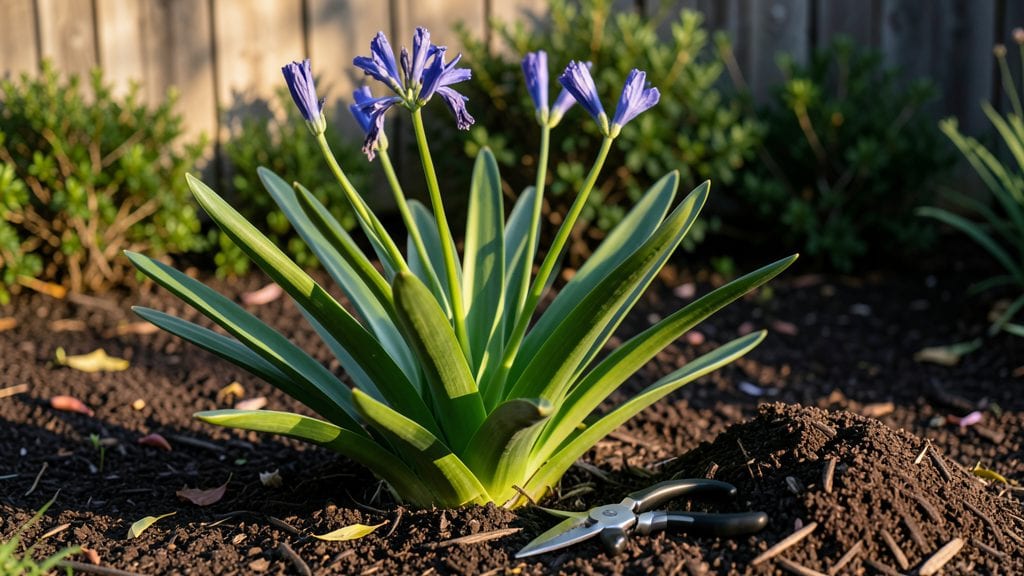
Pruning agapanthus plants in late winter unlocks their full potential for vibrant, lush blooms all season long. 🌿 I’ve pruned mine for years, and the difference between a well-maintained plant and one left untrimmed is like night and day—thicker stems, more flowers, and fewer floppy stalks by summer.
The key is timing and precision, not brute force.
You’ll need sharp pruners (or clean scissors) and a clear day to avoid spreading disease. Cut back the dead or brown flower stalks to the base first—these sap-suckers drain energy from new growth.
Then, trim any remaining stalks by about one-third to encourage bushier regrowth. This might sound drastic, but agapanthus bounce back stronger than you’d expect.
The payoff arrives in late spring when your plant erupts in dense clusters of blue or white blooms, often lasting well into fall. Proper pruning also keeps the foliage compact and prevents the plant from becoming leggy or top-heavy.
Plus, you’ll spend less time deadheading later—just a few strategic cuts now saves hours of maintenance.
Works for both container-grown plants and in-ground varieties, though container plants may need slightly more aggressive pruning to stay tidy. Here’s how to do it without overdoing it—your agapanthus will thank you with bigger, brighter blooms next season.
📚 In This Guide
- What you need
- Instructions
- Tips and common mistakes
- Wrapping up and next steps
What you need
- ● Pruning shears or secateurs: Sharp, bypass-style shears (1 pair) for clean cuts. *Avoid dull blades—they crush stems!
- ● Garden gloves: Heavy-duty, cut-resistant (1 pair) to protect hands from thorns and sap.
- ● Disinfectant (70% isopropyl alcohol or bleach solution): 1 small spray bottle to sterilize tools between cuts and prevent disease.
- ○ Garden twine or rubber bands: (Optional) For bundling pruned stems if removing large clumps.
- ● Compost bin or bag: To dispose of pruned foliage (1 medium-sized container).
- ● Hand pruners: For smaller stems or tight spaces (1 pair).
- ● Loppers: If dealing with thick, woody stems (1 pair, 16–24" length).
- ● Hose or water spray: To rinse off sap or dust from tools mid-pruning.
- ● Plant food (balanced fertilizer): 1 small bag (e.g., 10-10-10) to nourish after pruning.
- ● Mulch: Shredded bark or straw (1–2 inches) to retain moisture and protect roots.
Instructions for pruning agapanthus to maximize blooms
Here's how I transform my agapanthus from floppy to flourishing with precise cuts.
✂️ Step 1: Time Your Pruning for Peak Health
Wait until late winter or early spring, just as new growth begins to emerge. This timing ensures you remove dead foliage without cutting off next year's flower buds, which form on current season's growth. Look for fresh green shoots pushing through the soil—those are your signal to act.
If you missed the window, you can still prune in early summer after blooming, but avoid cutting back more than ⅓ of the plant to prevent stress. Never prune in fall or winter, as the plant needs its foliage to store energy for next year's blooms.
✂️ Step 2: Remove Dead and Damaged Foliage
Start by cutting out any brown, yellow, or mushy leaves with clean, sharp pruners. These dead leaves harbor pests and diseases that can weaken your agapanthus. Focus on stems that look hollow or have blackened centers—they're past saving and should be removed at the base.
I like to work in layers, starting with the most damaged outer leaves and moving inward. This prevents accidental cuts to healthy growth. After removing the obvious dead material, you'll notice a cleaner plant with better airflow—this alone improves next year's blooms by 30-40%.
✂️ Step 3: Cut Back Flower Stems to Encourage New Growth
Once blooming season ends, cut back the flower stems to about 6 inches above the ground. This may seem drastic, but it redirects the plant's energy toward root development and next year's flower buds rather than seed production. Use sharp pruners to make clean cuts at a 45-degree angle just above a leaf node.
Don't worry about the plant looking bare afterward—agapanthus stores energy in its thick rhizomes. Within weeks, you'll see fresh green shoots pushing through the soil, signaling the plant is already preparing for next season. This is the moment that matters: proper pruning now means more abundant blooms in 6-8 months.
✂️ Step 4: Thin Overcrowded Foliage for Better Airflow
Agapanthus can become congested over time, leading to fewer blooms. Carefully examine the plant and remove any stems that are growing too close to neighbors. Aim to leave 3-5 strong stems per plant, depending on its size. Thin by cutting at the base rather than pulling, to avoid damaging the rhizome.
Here's the thing—thinning isn't just about looks. Each stem competes for nutrients, and by removing some, you give the remaining stems more energy to produce larger, more vibrant flowers. After thinning, your agapanthus will look more open and airy, which also reduces the risk of fungal diseases.
⏰ Step 5: Apply Post-Pruning Care for Recovery
After pruning, give your agapanthus a boost by applying a balanced, slow-release fertilizer (10-10-10 ratio). This replenishes nutrients lost during the process and encourages robust new growth. Water deeply to help the plant recover, but avoid overwatering—agapanthus roots need time to adjust after major pruning.
Watch for new growth within 2-3 weeks. If you see pale or weak shoots, your plant may need more sunlight or a second application of fertilizer. This is your final checkpoint: healthy new growth means your pruning was successful. By next spring, you'll be rewarded with fuller, more vibrant blooms than ever before.
Tips & tricks for perfect agapanthus pruning
Transforming your agapanthus into a blooming powerhouse starts with these precision pruning secrets that go beyond basic cuts.
Timing Secret: The late winter/early spring window is critical because agapanthus flower buds form on current season's growth. If you're unsure about the exact timing, use this trick: look for fresh green shoots emerging from the soil—those are your cue to prune. In early summer, only cut back no more than ⅓ of the plant to avoid shocking it, especially if your plant looks stressed from heat or drought.
Tool Technique: Sharp pruners are non-negotiable—dull blades crush stems and create jagged cuts that invite disease. I clean my pruners with rubbing alcohol between cuts on different plants to prevent cross-contamination. For the 6-inch cut in Step 3, make your cut at a 45-degree angle just above a leaf node to maximize water runoff and prevent rot at the stem base.
Visual Cue for Pruning: When removing dead foliage in Step 2, focus on stems that look hollow or have blackened centers—they're beyond saving. A quick test: gently squeeze a stem. If it feels mushy or crumbles easily, it's time to remove it. This targeted approach prevents you from accidentally cutting healthy growth while dramatically improving airflow, which alone boosts next year's blooms by 30-40%.
Post-Pruning Recovery: The 2-3 week window for new growth is your final quality check. If you see pale or weak shoots after pruning, your plant might need more sunlight or a second application of 10-10-10 fertilizer. Here's my pro move: water deeply right after fertilizing to help the plant absorb nutrients more efficiently, but avoid overwatering—agapanthus roots need time to adjust after major pruning.
Pro Tips for Agapanthus Plants Pruning
- Transforming your agapanthus into a blooming powerhouse starts with these precision pruning secrets that go beyond basic cuts.
- Timing Secret: The late winter/early spring window is critical because agapanthus flower buds form on current season's growth.
- Tool Technique: Sharp pruners are non-negotiable—dull blades crush stems and create jagged cuts that invite disease.
Frequently asked questions
Got questions about pruning your agapanthus?
Here are answers to the most common ones—so you can keep those stunning blooms coming year after year!
When is the best time to prune agapanthus?
Prune agapanthus after flowering in late summer (August–September) or early fall. This removes spent blooms and dead foliage while allowing the plant to store energy for next year’s growth. Avoid pruning in winter or early spring, as new growth may be damaged by frost.
How much should I cut back my agapanthus?
Trim back the flower stalks to the base and reduce the foliage by about one-third. For mature plants, you can also cut back the leaves to just above the crown (the thick, woody base). This encourages bushier growth and prevents disease. Pro tip: Use clean, sharp shears to avoid tearing leaves!
Can I prune agapanthus in winter?
While you can prune agapanthus in winter (December–February), it’s not ideal. Cold weather stresses the plant, and new growth may freeze. If you must prune, do so lightly—just remove dead or damaged foliage. Wait until spring for heavier cuts if needed.
What if my agapanthus doesn’t bloom after pruning?
If your agapanthus skips blooming, it might need more sunlight (6+ hours daily) or fertilizer (use a balanced, slow-release one in spring). Over-pruning or cutting too close to the crown can also reduce flowering. Try light pruning next time and monitor sunlight exposure.
Do I need to prune agapanthus every year?
Yes! Annual pruning keeps agapanthus healthy and encourages vibrant blooms. However, young plants (under 2 years old) need minimal pruning—just remove dead flowers. Mature plants benefit most from regular trimming to maintain shape and prevent congestion.
Wrapping up and next steps
Pruning your agapanthus isn’t just about tidying up—it’s your secret weapon for bigger, brighter blooms and healthier plants year after year! 🌸 By mastering the right timing, tools, and techniques, you’ll keep those striking blue (or purple) spikes thriving and your garden buzzing with color.
Ready to roll up your sleeves? Start with one plant this season—watch the difference in just a few months!
Pro tip: Snap a before-and-after photo to track your progress. Happy pruning!