
Companion Plants
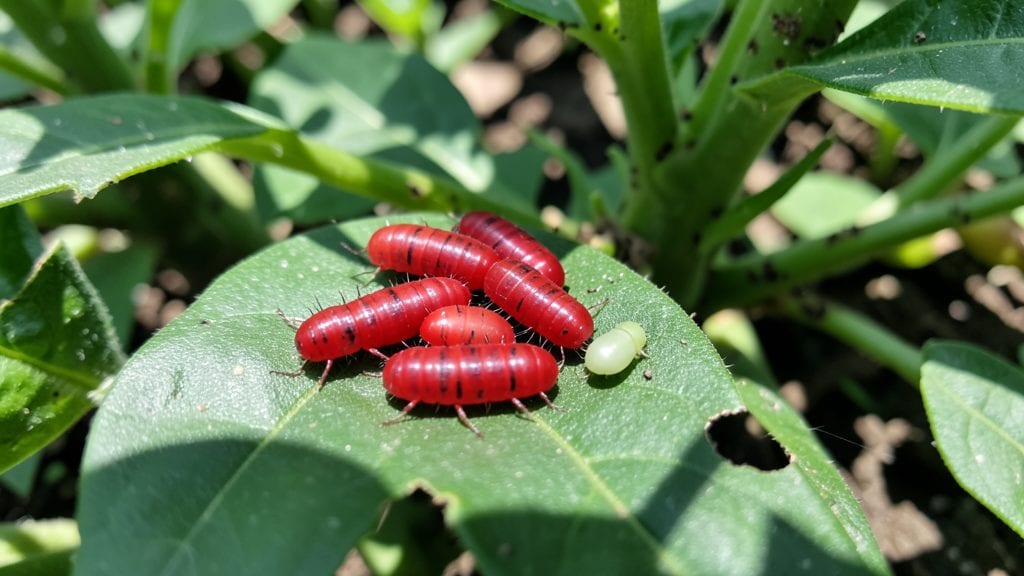
Red bugs on jalapeño plants can turn your spicy harvest into a battle zone before you even reach for the peppers. 🌿 I’ve battled these tiny invaders more times than I’d like to admit, and I’ve learned which methods actually work without harming your plants—or your dinner plate.
The key is acting fast before they spread, because once they take over, your peppers will start looking sad: yellowing leaves, sticky residue, and a general lack of vigor.
The worst part? Most of these red bugs—like spider mites or aphids—aren’t just annoying; they multiply fast. I’ve seen a single plant go from a few specks of red to a full-blown infestation in under a week if I didn’t step in.
The good news is that organic solutions like neem oil or insecticidal soap can knock them out without chemicals, and introducing ladybugs or lacewings turns your garden into their own pest-control squad. It’s not just about removing them—it’s about keeping them from coming back.
By the end of this, you’ll have a jalapeño plant that’s thriving again, with glossy green leaves and peppers ready to harvest.
The secret is consistency: check your plants weekly, especially on the undersides of leaves where bugs love to hide, and use a strong stream of water to knock off any stragglers. Prevention is easier than cleanup, and once you’ve got the routine down, those red bugs won’t stand a chance.
This works for any edible plant in your garden, not just peppers—tomatoes, herbs, even your basil will thank you. The methods here are gentle enough for organic gardens but tough enough to handle a serious infestation. Let’s get those peppers back to their spicy, healthy best.
Root Causes Of Tiny Invaders
When you spot red bugs crawling across your jalapeño plants, they’re usually not there by accident—they’re drawn by specific conditions that make your garden an all-you-can-eat buffet.
Understanding why these pests show up is the first step to kicking them off for good. Let’s break down the science behind their uninvited visit.
Most red bugs—like chili pepper bugs (e.g., Dysdercus species) or harlequin bugs—thrive in hot, dry climates. These pests are native to tropical and subtropical regions, where temperatures consistently stay above 75°F (24°C).
If your jalapeño plants are basking in full sun without enough airflow, you’re essentially rolling out the welcome mat:
- Why it happens: Heat speeds up their metabolism, making them more active and reproductive. A single female can lay hundreds of eggs in her lifetime.
- Actionable clue: Check for clusters of red bugs under leaves or near flower buds—these are their favorite hiding spots when temps spike.
- 💡 Pro tip: If your area experiences sudden heatwaves, monitor plants daily. These bugs strike fast when conditions are ideal.
Red bugs have a sweet tooth—literally. They’re drawn to plants under water stress because stressed plants produce higher sugar concentrations in their sap, making them more nutritious (and irresistible). Jalapeños, with their fleshy peppers and broad leaves, are a prime target:
- Why it happens: When soil moisture drops, plants transpire more (release water vapor), concentrating sugars in leaves and stems. Red bugs use their piercing-sucking mouthparts to tap into these sugar-rich veins.
- Actionable clue: Look for wilting leaves or yellowing edges—signs of dehydration that double as bug buffets.
- 🌡️ Science check: A study in Journal of Economic Entomology found that harlequin bugs prefer plants with 30% lower water content than healthy ones.
Red bugs don’t just drop in randomly—they hitchhike or migrate from nearby plants. If your jalapeños are planted too close together (or near other susceptible crops), the bugs have a highway to colonize your entire garden:
- Why it happens:
- Physical spread: Bugs crawl between plants or ride wind currents (especially in dry conditions).
- Food chain effect: They target stressed or weak plants first, then move on to healthier ones once the easy pickings are gone.
- Host plant preference: Jalapeños, tomatoes, and eggplants are in the Solanaceae family—red bugs love this group.
- Actionable clue: Scan the perimeter of your garden and check weeds or volunteer plants (like wild nightshades). These act as bug motels.
- 🔥 Prevention hack: Space jalapeños 18–24 inches apart and avoid planting them next to tomatoes or peppers if bugs were an issue last season.
Healthy soil = healthy plants = natural pest resistance. When soil lacks essential nutrients, your jalapeños become easier targets for red bugs. Here’s how poor soil sets the stage:
| Nutrient Deficiency | How It Helps Bugs | Signs to Watch For |
|---|---|---|
| Low nitrogen (N) | Reduces plant vigor, making them less able to repair bug damage. | Pale green or yellow leaves, stunted growth. |
| Low potassium (K) | Weakens cell walls, making it easier for bugs to pierce tissue. | Brown leaf edges, weak stems. |
| Compacted or dry soil | Restricts root growth, stressing plants and increasing sugar content. | Cracked soil, shallow roots, wilting. |
💡 Pro tip: Test your soil’s pH and nutrient levels—aim for 6.0–7.0 pH and balanced N-P-K (e.g., 10-10-10 fertilizer). Healthy soil = fewer bug buffets.
Now that you know why these red pests crash your jalapeño party, the next step is how to evict them—stay tuned for humane removal tactics and long-term prevention strategies!
Fixing & Preventing Plant Pests
Red bugs on your jalapeño plants can feel like an overwhelming problem, but with the right approach, you can restore your garden’s health—without harming the environment.
Below, we’ve mapped out targeted solutions for the most common culprits (like chili thrips, red spider mites, or aphids) along with preventive strategies to keep them away for good.
1. Manual Removal for Small Infestations
👨🍳 Best for: Early-stage bugs (e.g., aphids, spider mites) ⏰ Time needed: 10–15 minutes per plant
- How to do it:
- Morning is key—bugs are sluggish when temperatures are cool. 🌞
- Use a strong stream of water from a hose to knock them off leaves and stems.
- For stubborn clusters, dip a soft brush or cotton swab in soapy water and gently scrub affected areas.
- Drop bugs into soapy water (1 tsp dish soap per gallon) to kill them humanely.
- Pro tip: 💡 Repeat every 2–3 days until no signs remain. Check the undersides of leaves—that’s where they hide!
2. Natural Sprays for Medium Infestations
🍳 Best for: Chili thrips, spider mites, or aphids spreading fast
| Solution | How to Use | Frequency |
|---|---|---|
| Neem Oil Spray | Mix 1 tsp neem oil + 1 tsp mild soap + 1 quart water. Spray evenly on all surfaces. | Every 5–7 days for 2 weeks |
| Insecticidal Soap | Spray directly on bugs (avoid blooms). Reapply after rain. | Every 3–4 days |
| Garlic/Chili Pepper Spray | Blend 4 garlic cloves + 1 tbsp cayenne + 1 quart water. Strain and spray. | Every 4–5 days |
- ⚠️ Caution: Always test sprays on a small leaf first to avoid burning plants. Avoid spraying directly on flowers if bees are active.
3. Companion Planting & Traps
🌱 Best for: Long-term prevention and luring pests away
- Plant these near jalapeños to deter bugs:
- Basil (repels thrips and aphids)
- Marigolds (emit a scent bugs hate)
- Nasturtiums (trap aphids away from peppers)
- Onions or garlic (confuse pests with strong odors)
- DIY Bug Traps:
- Yellow sticky traps (place near plants to catch flying insects like whiteflies).
- Crushed egg cartons (bury near roots—ants avoid them, reducing aphid spread).
4. Beneficial Insects for Organic Control
🐞 Best for: Large gardens or severe infestations
Introduce these natural predators to your garden:
- Ladybugs (devour aphids—release in the early morning).
- Lacewings (eat thrips and mites—plant dill or fennel to attract them).
- Predatory mites (target spider mites—available at garden centers).
💡 Pro tip: Keep a shallow dish of water with a rock for beneficial insects to drink from.
Once your plants are pest-free, lock in their health with these habits:
- 🌡️ Water wisely: Keep soil evenly moist (not soggy) to deter mites and thrips.
Water at the base (not leaves) to avoid fungal issues. - ✨ Prune regularly: Remove yellowing or damaged leaves—they attract pests. - 🎯 Rotate crops: Avoid planting peppers in the same spot yearly (bugs overwinter in soil). - 🔥 Use row covers: For early-season planting, use floating row covers to block bugs before they arrive. - 🍎 Strengthen plants: Healthy plants resist pests!
Add compost and balanced fertilizer (high in potassium).
If bugs persist after 2–3 weeks of treatment, consider:
- Hiring a local pest control service (look for organic-certified options).
- Replacing heavily infested plants if they’re beyond saving.
Frequently asked questions about red bugs on pepper plants
What are the most common red bugs that attack jalapeño plants?
The most likely culprits are chili pepper bugs (like Dysdercus species), red spider mites, or harlequin bugs. These pests thrive in hot climates and leave telltale signs: yellowing leaves, sticky residue (honeydew), or tiny red specks on stems and undersides of leaves.
How do I tell if my jalapeños have a red bug infestation?
Watch for these red flags: tiny red dots moving on leaves, sticky sap on plant surfaces, or yellowing/brown leaves. Check the undersides of leaves and near flower buds—these are their favorite hiding spots. A magnifying glass helps spot early signs.
Can I use neem oil on jalapeños without harming the peppers?
Yes! Neem oil is safe for edible plants when used correctly. Mix 1 tsp neem oil + 1 tsp mild soap + 1 quart water and spray evenly (avoid blooms). Apply in the early morning to prevent leaf burn, and reapply every 5–7 days for 2 weeks.
Will beneficial insects like ladybugs actually work against red bugs?
Ladybugs devour aphids and soft-bodied pests, while lacewings target spider mites. Release them in the early morning and provide a shallow water dish with a rock for them to drink. For best results, introduce them when bugs are active (not during extreme heat).
How long does it take to eliminate a red bug infestation?
With consistent treatment, most infestations clear up in 2–3 weeks. For small outbreaks, manual removal (water spray + soapy cloth) works in 5–7 days. Severe cases may require 2–3 weeks