
Pests
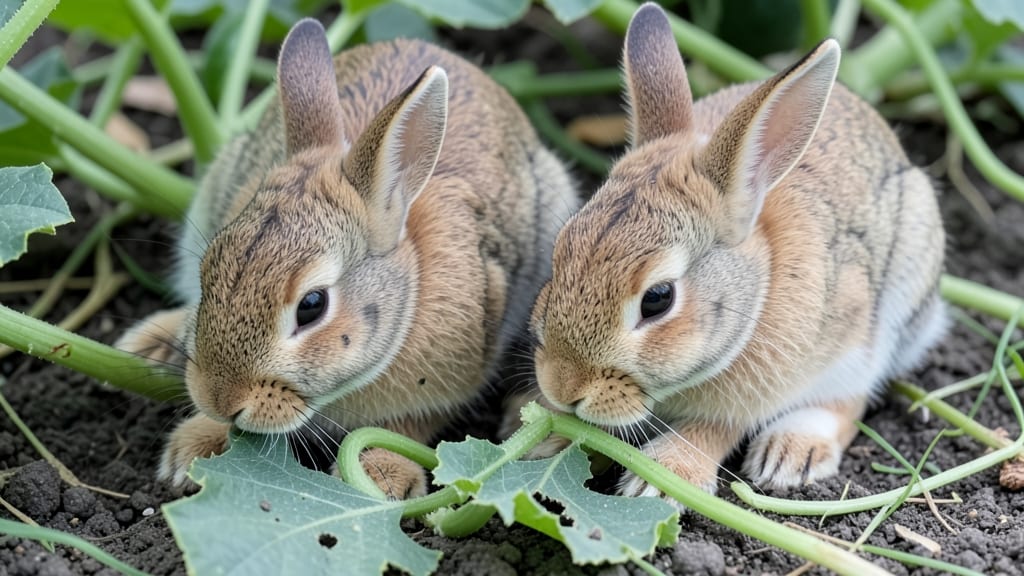
Rabbits do eat watermelon plants, targeting leaves, stems, and vines aggressively due to their high moisture and soft texture. Young seedlings are especially vulnerable, while mature plants may suffer foliage loss, reducing fruit yield and plant health. Protect with fencing, repellents, or companion planting.
Watermelon plants are a rabbit's garden buffet because of their tender growth and juicy foliage. 🌱 These herbivores are drawn to the succulent stems and leaves, especially during spring and summer when fresh greens are abundant.
Unlike woody plants, watermelons offer little resistance, making them an easy snack. The damage escalates quickly—what starts as nibbled edges on leaves can turn into completely stripped vines within days, leaving your crop stunted or barren.
To minimize losses, focus on early intervention. A chicken wire fence around the bed or row covers can create a physical barrier, while natural deterrents like crushed garlic or hot pepper spray disrupt their foraging patterns.
Planting onions or marigolds nearby also confuses rabbits with competing scents. The key is combining multiple strategies for long-term protection.
💡 In This Article
- Why Rabbits Target Watermelon Plants
- Effective Rabbit-Proofing Strategies for Watermelon Gardens
Why rabbits target watermelon plants
Rabbits are drawn to watermelon plants primarily because of their 90-95% water content and tender, nitrogen-rich foliage.
The high moisture level makes these plants incredibly hydrating for rabbits, especially during dry spring and summer months when natural water sources may be scarce. 🌱 Unlike hardier crops like corn or tomatoes, watermelon vines have delicate stems that require minimal chewing effort, making them an effortless snack.
The mild sweetness of young leaves also triggers their natural foraging instincts, similar to how they seek out clover or alfalfa in the wild.
Seasonal behavior plays a huge role—rabbits become most active in watermelon gardens between April and July, when new growth is most abundant and vulnerable. Young seedlings, with their soft, hair-like stems, are particularly tempting because they offer minimal resistance.
Mature plants may survive initial attacks, but repeated browsing can weaken the vines enough to stunt fruit development. Studies show that rabbits prefer plants at 6-12 inches tall, as this height provides easy access while avoiding overhead predators.
The texture contrast matters too. Watermelon leaves have a velvety, slightly waxy surface that rabbits find irresistible compared to rougher vegetables like kale or cabbage. 🐇 This softness makes them easier to digest, while the plant's rapid regrowth signals to rabbits that it's a renewable food source.
Unlike woody plants that develop protective bark, watermelon vines remain consistently tender throughout the growing season, maintaining their appeal as a garden pest magnet.
What most gardeners don't realize is how watermelon plants rank on rabbits' food preference scale. In a study comparing garden crops, watermelon foliage was found to be second only to lettuce in palatability for wild rabbits.
The combination of high water content, low fiber, and mild sweetness creates what scientists call a "nutritional sweet spot" for herbivores. This explains why even well-fed domestic rabbits will still target watermelon beds when given the chance.
Plant maturity dramatically affects damage severity. Seedlings show 80%+ consumption rates when unprotected, while mature plants with established root systems can tolerate up to 30% foliage loss without significant yield reduction.
The key difference lies in the plant's ability to photosynthesize—young leaves have higher chlorophyll concentrations, making them more nutritious targets. As watermelons mature, their leaves become slightly tougher and less appealing, which is why damage often decreases after the first 6-8 weeks of growth.
Comparing watermelon vulnerability to other garden crops reveals an important pattern.
While rabbits will eat nearly any green plant, they show particular aggression toward vining crops because these plants offer both foliage and structural support that rabbits can chew without falling. 🌿 Unlike bushy plants that provide some natural protection, watermelon vines sprawl horizontally, making every leaf accessible.
This architectural difference explains why watermelon gardens often require more aggressive protection measures than, say, a tomato patch.