
Companion Plants
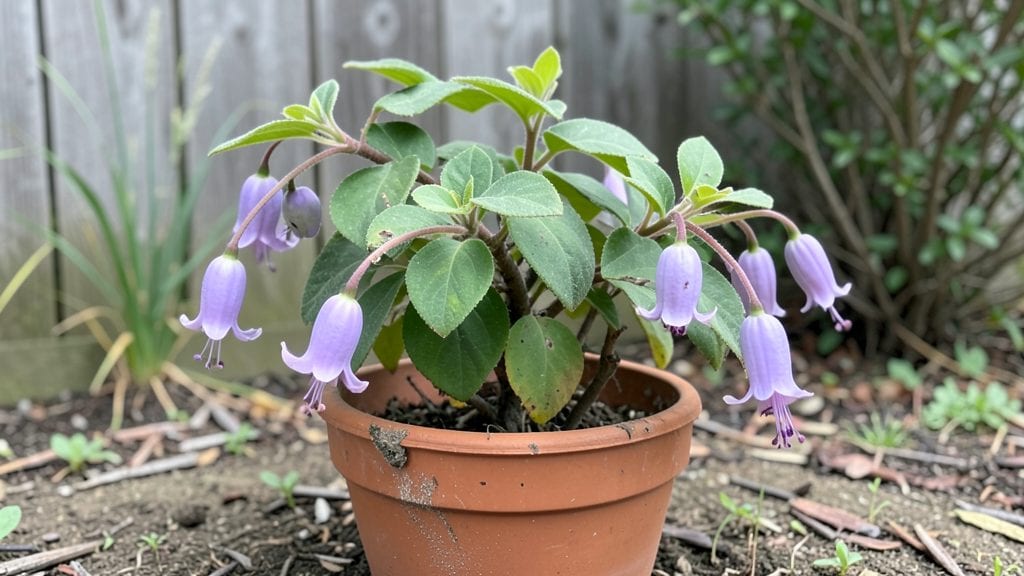
Hanging purple plants transform any small garden into a lush, colorful retreat. ✨ I’ve used them to create vertical privacy screens that feel like secret gardens—soft, fragrant, and impossible to ignore.
The right mix of fuchsias, lobelias, and petunias turns bare walls or fences into living tapestries that bloom from spring through fall.
Start with lightweight containers like macramé hangers or plastic baskets—both let roots breathe while keeping weight manageable. Group plants by sunlight needs: shade-loving lobelias near north walls, sun-happy petunias where they’ll get morning rays. A single 12-inch basket can hold 3-5 plants, and you’ll see color within weeks.
The payoff is instant: deep purple blooms cascading like a waterfall, their velvety texture contrasting beautifully with silver foliage or bright green leaves. Pair them with trailing ivy or white alyssum for a high-impact, low-maintenance look that thrives even in tight spaces.
Works for balconies, patio corners, or trellis backdrops—just adjust watering based on how much sun they get. Here’s how to make it happen without overcomplicating things.
📚 In This Guide
- What you need
- Instructions
- Tips and common mistakes
- Wrapping up and next steps
What you need
- ● Hanging plants (3–5 varieties): 1–2 Purple Heart (Tradescantia pallida) – Fast-growing, cascading
- ● 1–2 Purple Waffle Plant (Hemigraphis alternata) – Compact, textured leaves
- ● 1–2 Purple Velvet Plant (Gynura aurantiaca) – Fuzzy, velvety foliage
- ● 1 Purple Passion Flower (Gynura procumbens) – Trailing, heart-shaped leaves
- ● Hanging planters (3–5 units): Macramé hangers (12–18" diameter) – For a boho-chic look
- ● Coconut fiber pots (6–8") – Eco-friendly and breathable
- ● Plastic or terracotta hanging baskets (10–12") – Durable and easy to clean
- ● Growing medium: 1 bag well-draining potting mix (e.g., cactus/succulent mix + perlite)
- ○ Optional: Orchid bark or coco coir for extra aeration
- ● Basic tools: Pruning shears – For trimming and shaping
- ● Gloves – Protect your hands from soil and thorns
- ● Spray bottle – Keeps leaves hydrated
- ● Support system: Wall-mounted brackets or a tiered plant stand (for vertical display)
- ○ Floating shelves (optional) – For a layered look
- ○ Decorative touches (optional): Fairy lights or solar-powered LEDs – For evening ambiance
- ● Small pebbles or moss – For a polished, natural finish
- ● Sunlight: Ensure your space gets bright, indirect light (4–6 hours daily). Purple plants thrive in partial shade but avoid deep darkness.
- ● Watering routine: Keep soil consistently moist but not soggy. Purple Heart and Waffle Plant love humidity!
- ● Space planning: Measure your wall/shelf before hanging—aim for 12–18 inches between planters for a lush, full look.
How to create a striking vertical privacy screen with hanging purple plants
Transform tight spaces with lush, cascading foliage that adds color and dimension without sacrificing square footage.
🪴 Step 1: Choose and Prepare Your Hanging Containers
Select 4 sturdy, 10-12 inch diameter hanging baskets with built-in drainage—polypropylene or woven coconut fiber work best for moisture balance. I avoid plastic without drainage holes; roots suffocate when water pools at the bottom. Pre-soak the baskets in water for 30 minutes to prevent them from absorbing moisture from the soil later.
Line each basket with 1-2 layers of sphagnum moss (cut to fit snugly) to retain moisture while allowing excess water to drain. The moss acts as a natural wicking layer, keeping roots hydrated without drowning them. Secure the moss with a few plastic basket hooks if needed—just enough to hold it in place without restricting airflow.
🌱 Step 2: Select and Plant Purple Foliage Varieties
For maximum visual impact, combine 4 purple-leaved plants like 'Purple Heart' (Tradescantia), 'Black Scallop' (Hypoestes), or 'Purple Prince' Coleus. These thrive in hanging positions and tolerate partial shade. Plant 1-2 mature plants per basket (or 3-4 young cuttings) to ensure immediate fullness.
Use the 2 gallons of lightweight potting mix mixed with 1 cup perlite for drainage. Fill each basket 3/4 full, then position plants so stems drape evenly over the edges. Gently press soil around roots to eliminate air pockets, but avoid compacting—roots need oxygen to establish quickly. Water thoroughly after planting to settle the mix.
☀️ Step 3: Position for Optimal Light and Airflow
Hang baskets 3-4 feet apart along a balcony railing, pergola, or trellis where they’ll receive 4-6 hours of morning sun and afternoon shade. Direct afternoon sun can scorch purple foliage, causing leaves to bleach or crisp. Test placement by observing how light shifts across the space—rotate baskets weekly to encourage even growth.
Ensure airflow by spacing baskets 6-8 inches from walls or other plants. Stagnant air promotes fungal issues like powdery mildew, which turns purple leaves gray and dull. If humidity is high, mist plants every 2-3 days with water to simulate natural rainfall and keep foliage vibrant.
💧 Step 4: Establish a Consistent Watering Routine
Water every 2-3 days until the top 1 inch of soil feels dry—hanging baskets dry out faster than ground-level pots. I use a watering can with a long spout to reach the center of each basket without disturbing the plants. Always water until excess drains from the bottom, then empty saucers to prevent root rot.
Fertilize every 4 weeks with a balanced liquid fertilizer (10-10-10) diluted to half strength. Purple plants respond well to iron supplements if leaves lose their depth of color—apply 1 teaspoon iron chelate per gallon of water monthly. Avoid over-fertilizing; yellowing leaves signal excess salts in the soil.
✂️ Step 5: Prune and Maintain for Long-Term Fullness
Trim 1/3 of the longest stems every 6-8 weeks to encourage bushier growth. Use clean, sharp scissors to make cuts just above a leaf node—this redirects energy to lateral branches, preventing leggy, sparse plants. Pinch back new growth tips in spring to promote compact, vibrant foliage.
Watch for yellowing leaves or pale purple streaks—these often signal underwatering or nutrient deficiency. If stems grow weak or flop excessively, increase support with small decorative stakes tucked into the basket. In winter, reduce watering to once a week and move baskets to a sheltered spot if temperatures drop below 45°F.
Tips & tricks for perfect hanging purple plant privacy screens
Here's what I've learned after creating these stunning vertical displays—tricks that make all the difference between a pretty arrangement and a showstopper.
Container Prep Secret: That 30-minute pre-soak for your baskets isn't just about preventing moisture absorption—it's also a great time to check for any manufacturing defects. Run your fingers along the drainage holes to ensure none are clogged or too narrow. I've found that polypropylene baskets with larger holes (about 1/4 inch) actually work better for purple foliage varieties, as they prevent the perlite from washing out while still allowing proper drainage.
Plant Selection Strategy: When choosing your 4 purple-leaved plants, consider pairing two fast growers like 'Purple Heart' with two slower growers like 'Black Scallop'. This creates immediate visual impact while allowing the slower varieties to fill in naturally over time. For best results, select plants with similar light requirements—mixing sun and shade lovers can lead to uneven growth patterns in your hanging display.
Light Management Technique: The 4-6 hours of morning sun recommendation is crucial for maintaining that vibrant purple color. If your space only gets direct sun in the afternoon, consider using sheer white curtains to diffuse the light during those critical hours. I've noticed that purple foliage actually develops deeper hues when exposed to morning sunlight followed by afternoon shade—it's like nature's way of protecting the plants from bleaching.
Pruning Timing Tip: That 6-8 week pruning schedule works perfectly because it aligns with the plants' natural growth cycles. After your initial planting, mark the 6-week point on your calendar and set a reminder. When you trim those 1/3 of longest stems, save the cuttings—you can propagate them in water to create new plants! This not only maintains your display but gives you free plants to expand your collection or share with friends.
Pro Tips for Hanging Purple Plants
- Here's what I've learned after creating these stunning vertical displays—tricks that make all the difference between a pretty arrangement and a showstopper.
- Container Prep Secret: That 30-minute pre-soak for your baskets isn't just about preventing moisture absorption—it's also a great time to check for any manufacturing defects.
- Plant Selection Strategy: When choosing your 4 purple-leaved plants, consider pairing two fast growers like 'Purple Heart' with two slower growers like 'Black Scallop'.
Frequently asked questions
Got questions about creating a stunning hanging purple plant privacy screen? You’re not alone! Here are some of the most common queries—and their easy answers—to help you get started with confidence.
What are the best purple plants for hanging privacy screens?
Top picks include Fuchsia (trailing, vibrant blooms), Lobelia (compact, deep purple foliage), Purple Heart (Tradescantia) (fast-growing, trailing), and Petunia (bright flowers, great for cascading). For year-round color, mix evergreen options like Heather or Ivy varieties.
How long does it take for a hanging purple plant screen to fill out?
Most trailing purple plants take 3–6 months to create a lush, full look, depending on sunlight, water, and care. Fast growers like Tradescantia or Sweet Potato Vine may fill gaps quicker, while slower varieties (like Lobelia) need patience. Prune regularly to encourage bushier growth!
How often should I water hanging purple plants?
Check soil moisture daily—hanging plants dry out faster! Water when the top inch feels dry, aiming for deep but gentle hydration to avoid root rot. Morning watering is ideal to prevent fungal issues. In extreme heat, mist leaves lightly to boost humidity.
Can I mix purple plants with other colors for a privacy screen?
Pair purples with white (e.g., Angelonia or Bacopa) for contrast, pinks (like Calibrachoa), or silver foliage (e.g., Lamium) for texture. Just ensure all plants thrive in similar light and water conditions to avoid stress.
What pests should I watch for in hanging purple plants?
Common culprits include aphids, spider mites, and whiteflies. Inspect leaves regularly—look for sticky residue or tiny webs. Treat with neem oil or insecticidal soap for mild infestations. Boost airflow by spacing plants evenly to deter pests.
Do hanging purple plants need full sun?
Most thrive in partial sun (4–6 hours/day), but varieties like Petunia or Fuchsia prefer morning sun + afternoon shade to prevent leaf scorch. Check plant tags for specifics—some, like Lobelia, tolerate shade better. Adjust placement as seasons change!
Wrapping up and next steps
Transforming your small garden with hanging purple plants is a creative and rewarding way to add color, texture, and privacy without sacrificing space. Whether you choose trailing Lobelia, Fuchsia, or Petunia, these plants bring a burst of vibrancy that elevates any outdoor area.
The key is to start small, experiment with combinations, and let your green thumb guide you—your garden will thank you!
Ready to get growing? Pick your favorite purple beauties, gather your supplies, and give your space a stunning makeover! 🌸✨