
Plants
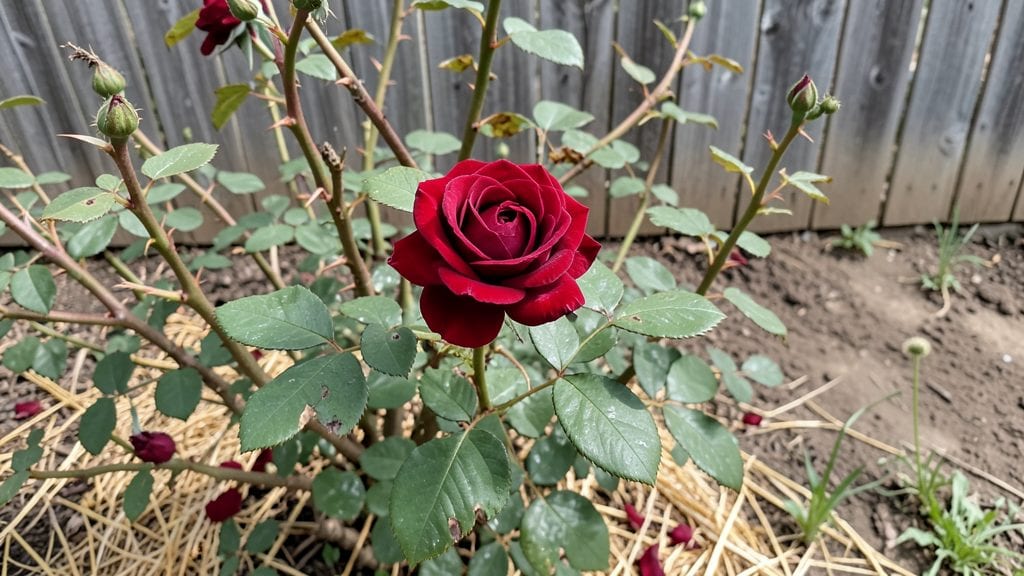
Naming your thorny plants 🌿 can turn a simple garden into a storybook of spiky charm and character.
You’ve spent months nurturing these rugged beauties—now it’s time to give them names that match their personality. Whether it’s a rose with a thorny temper or a barberry with a protective stance, the right name makes your garden feel alive.
From whimsical to historical, we’ll show you how to pick names that fit your garden’s vibe while keeping care tips in mind. Think of it as the cherry on top of your spring planting season.
Ready to make your thorny plants unforgettable? Here’s how to start with names that feel just right for USDA Zone 6a gardens.
15 Creative name ideas for thorny plants by type and personality
Naming your thorny plants is like giving them a personality—it turns your garden into a character-filled landscape. Whether you’re dealing with roses that need protection or cacti that thrive in harsh conditions, the right name can reflect their toughness or elegance.
Below, I’ve curated ideas based on plant types and their unique traits to spark inspiration for your garden’s thorny stars.
Thorny plants often carry symbolism—some represent protection, others resilience, and a few even whimsy. The key is to match the name to the plant’s growth habit, color, or role in your garden.
For example, a spiky hedge might earn a name like "Guardian," while a delicate rose bush could be "Velvet Thorn." Let’s dive into the ideas!
🌹 Thorny Roses (Elegant & Romantic)
- 1. Lady of Thorns – For a vintage rose with deep red blooms.
- 2. Velvet Spine – A smooth-petaled rose with soft thorns.
- 3. Queen’s Guard – A tall, regal rose perfect for borders.
- 4. Whispering Blades – A pale pink rose with delicate thorns.
- 5. Blood & Silk – A dark red rose with velvety petals.
🌵 Cacti & Succulents (Desert Warriors)
- 6. Ironclad Spike – A barrel cactus with dense spines.
- 7. Sunscorched Pride – A yellow succulent thriving in full sun.
- 8. Ghost Thorn – A pale green cactus with translucent spines.
- 9. Desert Sentinel – A tall, spiky agave for drought resistance.
- 10. Moonlit Spine – A silvery-blue echeveria for nighttime garden glow.
🌿 Hedges & Shrubs (Protective & Sturdy)
- 11. Barbed Wire – A dense pyracantha hedge for privacy.
- 12. Fortress Thorn – A hawthorn bush with sharp, protective spines.
- 13. Bramble Queen – A wild rose or blackberry for wildlife support.
- 14. Iron Curtain – A thorny privet hedge for windbreaks.
- 15. Guardian’s Embrace – A bougainvillea with colorful, thorny vines.
When choosing names, consider the plant’s role in your garden. A privacy hedge like "Barbed Wire" instantly communicates its purpose, while a delicate rose like "Whispering Blades" adds a touch of poetry.
Think about color contrasts, too—pairing a deep red rose with "Blood & Silk" creates a striking visual and verbal connection.
Don’t forget to personalize! If you have a favorite book character, mythological figure, or even a pet’s name, weave it into your garden’s story. For example, a thorny cactus could become "Dragon’s Scale" if you love fantasy, or "Captain’s Pride" for a nautical-themed garden.
The name should feel like a natural extension of the plant’s presence.
For container gardens, opt for shorter, punchier names like "Spike" or "Thorn" to keep labels readable and easy to remember.
If your thorny plants are part of a larger landscape design, consider names that tie into the overall theme, such as "Celestial Thorn" for a moon garden or "Autumn’s Barrier" for a fall-themed border.
Pro tip: Write the names on durable labels and place them near the plant’s base where they’re visible but not intrusive. Use waterproof markers on metal tags or engraved stones for long-lasting labels that won’t fade in the sun or rain.
This way, your garden’s thorny characters will always have a permanent introduction.
Finally, let your garden’s personality guide your choices. Are you going for whimsical, mythical, or practical names? Maybe a mix of all three! The goal is to make your garden feel like a living storybook, where every plant has a name—and a role to play.
Now it’s your turn! Which of these names will you give to your thorny garden stars? Share your favorites in the comments or tag us with your garden’s new named plants—we’d love to see your green creations come to life! 🌱
How to choose names that fit your garden’s theme or aesthetic
Creating a cohesive garden starts with names that reflect your vision. Whether your space feels like a mythological forest, a literary retreat, or a celestial garden, the right names tie everything together.
For thorny plants, this means choosing labels that honor their protective nature while fitting your theme—like calling a hawthorn bush "Guardian Oak" or a bougainvillea "Celestial Crown." The goal is to make your garden feel intentional, not just decorative.
Start by identifying your garden’s core theme. Are you drawn to ancient legends, whimsical fairy tales, or astronomical wonders? Your theme should guide your naming choices, ensuring every plant’s name feels like a natural part of the story.
For example, a thorny rose in a Greek mythology garden could become "Hera’s Shield," while a prickly pear cactus in a Southwestern desert garden might earn the name "Desert Sentinel."
🌿 Name Thorny Plants by Theme
- Mythological: "Aegis Thorn" (for a protective hedge), "Medusa’s Locks" (for curly vines)
- Literary: "Sherlock’s Clue" (for a twisted thorny vine), "Alice’s Wonder" (for a whimsical cactus)
- Celestial: "Moonlit Spine" (for a silvery-thorned plant), "Solar Flare" (for a fiery bougainvillea)
- Whimsical: "Pirate’s Curse" (for a tangled rose), "Dragon’s Snarl" (for a spiky shrub)
- Nature-Inspired: "Storm’s Barrier" (for a wind-resistant hedge), "Forest Sentinel" (for a dense thorny bush)
Next, consider the pronunciation and memorability of your names. Avoid overly complex or long labels that guests will struggle to remember. For instance, "Thorny Titan" is easier to recall than "The Impenetrable Spine of the Ancient Guardian."
Test names aloud—if they sound awkward or take too long to say, simplify them. You can also use nicknames or abbreviations for longer names, like "Titan" for "Thorny Titan" or "Guardian" for "Forest Sentinel."
Think about the plant’s personality when naming it. A delicate rose might deserve a softer name like "Whispering Thorn," while a tough cactus could be "Iron Spine." This approach makes your garden feel alive, as if each plant has its own character.
For example, a sprawling bougainvillea with vibrant blooms could be "Joy’s Embrace," while a dense privet hedge might become "The Silent Wall."
Don’t forget to write names on durable labels that won’t fade or wash away. Use weather-resistant markers or engraved tags for long-term visibility. Place labels near the base of each plant where they’re easy to spot but won’t obstruct foot traffic.
If your garden is large, consider a color-coded system—for example, blue labels for mythological names and green for nature-inspired ones—to help visitors navigate your themed sections effortlessly.
Finally, let your garden’s names evolve over time. As you add new plants or refine your theme, don’t hesitate to update labels. A name that once felt perfect might no longer fit as your garden’s story changes.
The key is to keep the process flexible and joyful, ensuring your thorny plants feel like cherished members of your outdoor family.