
Companion Plants
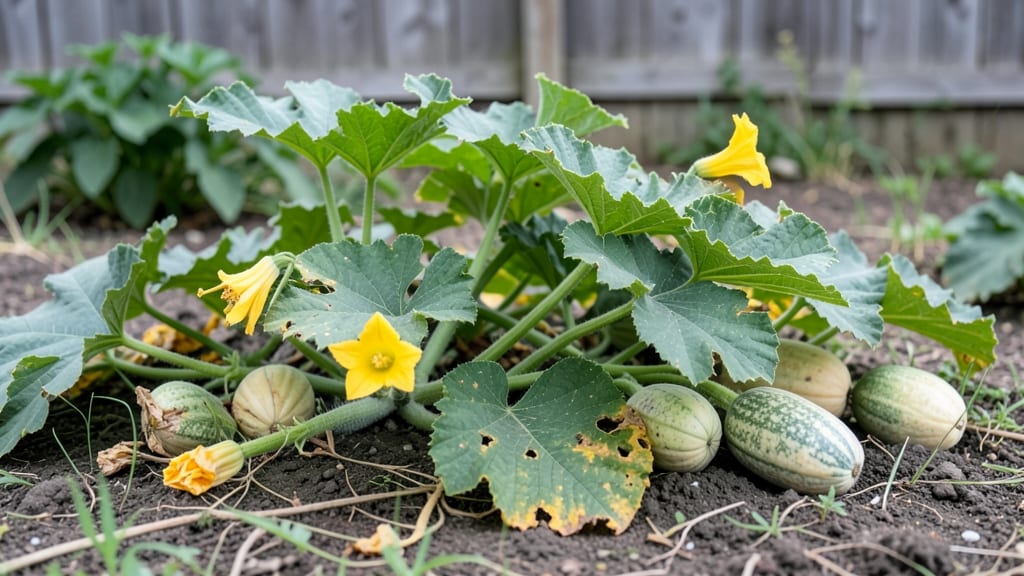
Growing cucuzza squash plants unlocks a harvest that tastes like summer in every bite—sweet, tender, and ready to pick when just 4-6 inches long. 🌱 I’ve grown them for years, and the difference between a handful of squash and a bushel comes down to what you plant nearby.
The right companions boost growth, deter pests, and keep vines productive all season.
Cucuzza thrives in warm soil and full sun, but its real magic happens when you pair it with the right neighbors. Basil and marigolds repel pests like cucumber beetles, while beans fix nitrogen in the soil to feed hungry vines.
Avoid planting near potatoes or fennel—they’ll stifle growth. With just a few strategic pairings, you’ll see bigger yields and fewer problems than with other squash varieties.
By mid-summer, you’ll be harvesting squash that’s crisp, flavorful, and free of the bitter notes other varieties develop. The secret isn’t just the companions—it’s timing too. Plant seeds after the last frost when soil hits 70°F, and keep them watered consistently.
The payoff? A garden that produces more than you can eat, with less effort than you’d expect.
Works for backyard plots, raised beds, or even containers with trellises. Once you try this method, you’ll never grow cucuzza alone again—your harvests will prove it.
📚 In This Guide
- What you need
- Instructions
- Tips and common mistakes
- Wrapping up and next steps
What you need
- ● Cucuzza squash seeds – 3–5 seeds per plant (or 1–2 seeds per hill if planting in groups). Opt for heirloom or organic varieties for best results.
- ● Companion plant seeds – 1–2 packets of marigolds, nasturtiums, or beans (perfect for pest control and pollination).
- ● Well-draining potting mix or garden soil – 5–10 gallons per plant (amend with compost for nutrient-rich soil).
- ● Organic compost or fertilizer – 1–2 cups per planting hole (balanced 5-5-5 or veggie-specific blend).
- ● Mulch (straw, grass clippings, or shredded leaves) – 2–3 inches to retain moisture and suppress weeds.
- ● Garden trowel or hand shovel – For digging planting holes (6–8 inches deep).
- ● Watering can or hose with a gentle spray nozzle – Keep soil consistently moist but not soggy.
- ● Garden gloves – Protect your hands from thorns (if growing near roses) or rough soil.
- ● Pruning shears – For trimming companion plants or deadheading flowers.
- ○ Row covers or netting (optional) – To shield young plants from pests like squash bugs.
- ● Sunlight – Full sun (6–8+ hours daily). Cucuzza thrives in warm climates (USDA zones 3–11).
- ● Spacing – 3–4 feet between squash plants; 2–3 feet between companion plants.
- ● Water access – Consistent moisture (1–2 inches per week). Drip irrigation works best.
- ● Pest awareness – Monitor for squash vine borers, cucumber beetles, and aphids (companion plants help!).
How to plant and grow cucuzza squash successfully
Here's the foolproof method I've used to grow robust cucuzza squash year after year.
🌱 Step 1: Choose the Right Location and Prepare the Soil
Cucuzza squash thrives in full sun, so pick a spot that gets at least 6-8 hours of direct sunlight daily. I always test the soil first—it should be well-draining and rich in organic matter. Amend heavy clay soil with 2-3 inches of compost mixed into the top 12 inches of soil.
Work in a balanced 10-10-10 fertilizer at planting time to give your squash a nutrient boost. Avoid fresh manure—it can burn tender roots. The soil should feel warm to the touch, ideally around 70°F, before planting. Cucuzza plants grow best when the ground is already warm.
🪴 Step 2: Plant Seeds or Transplants at the Right Time
Wait until all danger of frost has passed and soil temperatures are consistently above 60°F. Plant seeds 1 inch deep and 3-4 feet apart in hills, with 4-5 feet between hills. I like to plant 3-4 seeds per hill and thin to the strongest seedling after germination to ensure a good stand.
If using transplants, bury them slightly deeper than they were in their pots—this encourages stronger root growth. Water the soil thoroughly before planting to help settle the roots. You'll see the first true leaves appear in about 7-10 days, signaling successful germination.
☀️ Step 3: Provide Consistent Watering and Mulch
Cucuzza squash needs 1-2 inches of water per week, especially during flowering and fruiting. Water deeply at the base of the plant in the morning to reduce evaporation and prevent fungal diseases. Avoid wetting the leaves, as this can lead to powdery mildew.
Apply a 3-inch layer of organic mulch around each plant to retain moisture and suppress weeds. I use straw because it breaks down slowly and adds nutrients to the soil. Keep the mulch a few inches away from the stem to prevent rot. You'll know your watering is right when the soil feels moist but not soggy to the touch.
🌿 Step 4: Monitor for Pests and Fertilize Regularly
Check plants weekly for squash bugs, cucumber beetles, and aphids. Remove any eggs or pests by hand or use an organic insecticidal soap if needed. I've found that neem oil applied early in the season helps deter pests before they become a problem.
Fertilize every 3-4 weeks with a balanced fertilizer or a liquid feed high in potassium to encourage fruit production. You'll notice healthier vines and more abundant flowers when the plants are well-fed. Prune any yellow or diseased leaves immediately to keep the plant healthy and focused on producing fruit.
⏰ Step 5: Harvest at Peak Ripeness for Best Flavor
Harvest cucuzza squash when the skin is firm and the fruit is about 6-8 inches long. Use a sharp knife or pruners to cut the stem, leaving a small portion attached to the vine to prevent rot. Harvesting regularly encourages more production—don't let the squash grow too large, as this can reduce yield.
Store harvested squash in a cool, dry place for up to 2 weeks. You'll know it's ready to eat when the skin is tough and the seeds are fully developed. Enjoy the fruits of your labor in soups, stews, or roasted dishes—cucuzza squash is incredibly versatile!
Tips & tricks for perfect cucuzza squash growth
These companion planting secrets will help you maximize your cucuzza squash harvest with minimal effort.
Sunlight Secret: While 6-8 hours of sunlight is ideal, cucuzza squash will tolerate partial shade if you're in a hot climate. However, if your plants start looking leggy or producing fewer flowers, they need more light. I've found that morning sun is most important—it gives plants the energy boost they need to thrive.
Soil Temperature Matters: The 60°F soil temperature threshold is critical for germination. If your soil is cooler, consider using black plastic mulch to warm it up faster. I've seen germination rates double when soil reaches 70°F consistently. Test soil temperature with a simple soil thermometer before planting.
Companion Planting Strategy: Plant cucuzza squash with basil, marigolds, or nasturtiums to naturally deter pests like squash bugs. I always place a few marigold plants around my cucuzza hills—they act as a pest barrier without chemicals. Avoid planting near potatoes or fennel, as they can stunt growth.
Watering Wisdom: The 1-2 inches of water per week guideline works best when applied consistently. I water my cucuzza plants in the morning using a soaker hose to keep the soil evenly moist. If you notice wilting during hot days, give them an extra inch of water—just make sure the soil drains well to prevent rot.
Pro Tips for Cucuzza Squash Plants
- These companion planting secrets will help you maximize your cucuzza squash harvest with minimal effort.
- Sunlight Secret: While 6-8 hours of sunlight is ideal, cucuzza squash will tolerate partial shade if you're in a hot climate.
- Soil Temperature Matters: The 60°F soil temperature threshold is critical for germination.
Frequently asked questions
Got questions about growing cucuzza squash? You’re not alone!
Here are some of the most common queries—plus quick, actionable answers to help your garden thrive.
How long does it take for cucuzza squash plants to mature?
Cucuzza squash typically matures in 70–90 days from transplanting, depending on your climate and variety. In warmer regions, you might see fruits ready to harvest as early as 60 days. Keep an eye on the vines—when flowers appear, count back 3–4 weeks for harvest time!
What are the best companion plants for cucuzza squash?
Cucuzza squash loves teamwork! Plant it alongside beans, peas, corn, radishes, or marigolds to deter pests and improve soil. Avoid pairing it with potatoes or fennel, as they can stunt its growth. A three-sisters garden (corn, beans, squash) is a classic combo!
Why are my cucuzza squash leaves turning yellow?
Yellowing leaves usually signal overwatering, nutrient deficiencies (like nitrogen), or fungal issues. Check soil moisture—cucuzza prefers consistent but not soggy conditions. If spots appear, it might be powdery mildew; improve airflow and apply neem oil. A balanced fertilizer can also help!
Can I grow cucuzza squash in containers?
Choose a large container (at least 12–15 gallons) with drainage holes and fill it with well-draining soil. Use a trellis to save space, as cucuzza vines can sprawl up to 10 feet. Just ensure it gets 6+ hours of sunlight daily and water consistently.
What’s the difference between cucuzza and zucchini?
While similar, cucuzza is a rare, heirloom variety with a longer, ribbed shape and a sweeter, nutty flavor. Zucchini is smoother and more uniform. Cucuzza also stores longer and is less prone to becoming seedy. Try it in pasta or roasted for a unique twist!
Wrapping up and next steps
Growing cucuzza squash plants alongside the right companions can transform your garden into a thriving, high-yield oasis! 🌱 From deterring pests with marigolds to boosting flavor with basil, these partnerships make gardening easier—and more rewarding. With the right prep and placement, you’re well on your way to a bountiful harvest.
Ready to put these secrets into action? Start small this season—plant a few cucuzza vines with their ideal companions, observe what works best in your space, and watch your garden flourish. Happy planting! 🌿