
Vegetables
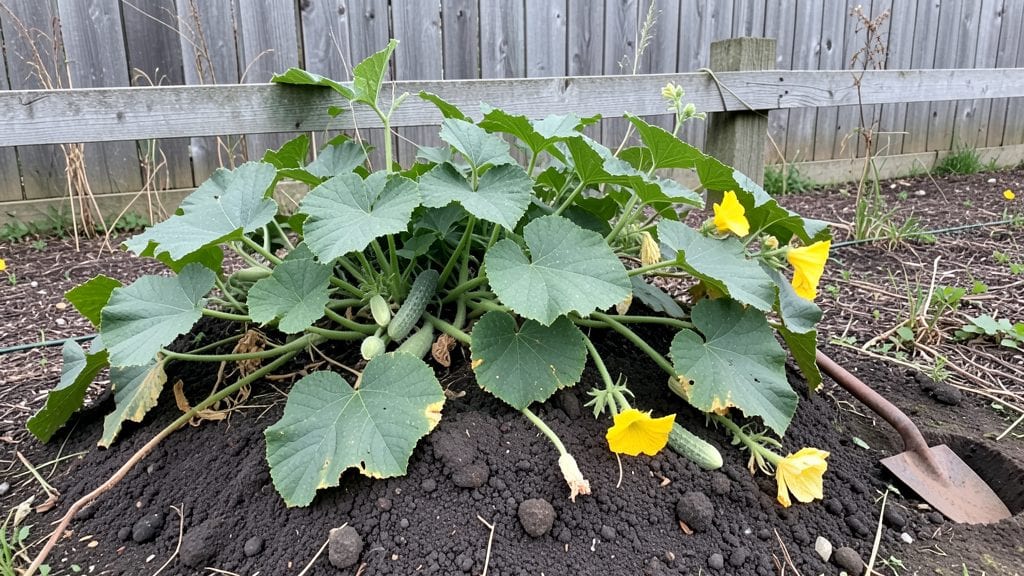
Planting cucumbers on hills gives you a year-round harvest with less watering and better drainage than flat beds. 🌱 I learned this trick after struggling with soggy soil and weak vines—now my cucumbers climb faster, produce more, and stay healthy even in heavy rain.
The layered mounds warm up quicker in spring, giving seedlings a head start, and the extra air around roots prevents rot.
You’ll need a sunny spot with at least 6 hours of light, a shovel, compost, and cucumber seeds or transplants. For each hill, mound soil into a 12-inch-tall pyramid about 2 feet wide, spacing hills 3-4 feet apart in rows.
The extra height improves airflow and keeps fruit off damp ground, cutting down on disease. This method works for both bush and vining varieties, though vining types will need trellises.
By mid-summer, you’ll be harvesting crisp cucumbers straight from the vine, with plants that look lush and productive instead of struggling. The hills also make weeding easier—just pull weeds from the base—and mulching with straw keeps moisture in while keeping soil temperatures steady.
Even in hot climates, the elevated roots stay cooler, so plants keep producing late into the season.
Pro tip: Plant nasturtiums or radishes around the hills to deter pests, and avoid overwatering—the mounds drain fast, so check soil moisture before watering again. This technique cuts water use by 30% while boosting yields. Once you try it, you’ll wonder why you ever planted cucumbers any other way.
📚 In This Guide
- What you need
- Instructions
- Tips and common mistakes
- Wrapping up and next steps
What you need
- ● Cucumber seeds or seedlings: 3–5 plants per hill (choose varieties like 'Straight Eight,' 'Marketmore,' or cold-hardy 'Northern Pickling' for hills).
- ● Well-draining soil: 5–10 cubic feet per hill (mix garden soil with 20–30% compost or aged manure).
- ● Organic mulch: Straw or shredded leaves (1–2 inches thick) to retain moisture and suppress weeds.
- ● Watering can or hose: With a gentle spray nozzle for even hydration.
- ● Fertilizer: Balanced 10-10-10 or compost tea (1 tbsp per plant at planting, then monthly).
- ○ Trellis or stakes (optional but recommended): 4–6 ft tall bamboo stakes or netting to support vining varieties.
- ● Garden trowel or shovel: For shaping hills and planting.
- ● Pruning shears: To trim excess growth and encourage bushier plants.
- ● pH test kit: Ensure soil pH is 6.0–6.8 (ideal for cucumbers).
- ● Row cover or frost cloth: For early/late-season protection in chilly areas.
- ● Sunlight: Full sun (6–8+ hours daily).
- ● Spacious area: Hills should be 12–18 inches tall and 2–3 feet wide, spaced 3–4 feet apart.
- ● Warm soil: Wait until soil temps reach at least 60°F (use a soil thermometer if unsure!).
Step-by-Step instructions for building cucumber hills
This method gives cucumbers exactly what they crave—warmth, drainage, and room to sprawl—while extending your harvest season.
🌱 Step 1: Gather Materials and Prep the Site
You’ll need 4 hills of soil (one for each plant), compost, well-draining potting mix, and mulch. Clear the area of weeds and rocks—cucumbers hate competition. I like to work in the morning when soil is cooler, so I don’t accidentally bake the roots during setup.
Mark your planting spots 18-24 inches apart in a square or diamond pattern. This gives vines space to climb or sprawl without crowding. If your soil drains poorly, mix in 1 part potting mix to 3 parts garden soil—this prevents soggy roots that lead to rot.
🪴 Step 2: Build the Hills in Layers
Start by mounding soil into a 12-inch tall, 12-inch wide pyramid for each hill. Use the compost as the base layer—spread 1-2 cups evenly over the planting area. This adds nutrients and improves drainage. Next, add 4-6 inches of garden soil, pressing lightly to create a stable foundation.
Top with 2-3 inches of potting mix, leaving a 3-inch deep depression in the center. This creates a warm, well-draining pocket for your seeds or seedlings. If you’re planting seeds, place 2-3 seeds per hill (they germinate fast, and not all will sprout). Cover lightly with ½ inch of potting mix—just enough to shield them from light but not bury them too deep.
💧 Step 3: Water and Mulch for Retention
Water each hill deeply until moisture reaches 4 inches down. You’ll know it’s enough when water runs out the bottom of the mound. Let the soil settle for 10-15 minutes, then add 1-2 inches of mulch around the base, keeping it 2 inches away from the plant. Mulch locks in moisture and keeps roots cool—critical in hot climates.
Here’s the thing—don’t water again until the soil feels dry to the touch. Overwatering at this stage drowns seeds before they germinate. Check daily by sticking your finger 1 inch into the soil. If it’s damp, wait. If it’s bone-dry, water lightly.
☀️ Step 4: Provide Support and Sun
Cucumbers need full sun (6+ hours daily) and something to climb. Install 5-foot trellises or stakes near each hill as soon as you plant. This prevents vines from sprawling and keeps fruits off the ground, reducing rot. I like to weave jute twine between trellis bars to give vines something to grip early on.
Watch for first true leaves—they’ll appear in 7-10 days if conditions are right. Once they do, thin to the strongest seedling per hill. Snip the weaker stems at the base with clean scissors. This might seem harsh, but crowded plants compete for nutrients and produce poorly.
✂️ Step 5: Maintain Through the Season
Keep the soil moist but not soggy—cucumbers need 1-1.5 inches of water weekly, more in heatwaves. Water at the base of the plant, not overhead, to prevent fungal diseases like powdery mildew. I water in the early morning so leaves dry quickly.
Fertilize every 3 weeks with a balanced, water-soluble fertilizer (like 10-10-10). Mix it at half-strength to avoid burning roots. You’ll know your plants are happy when they produce 5-7 inch vines and 10+ leaves before flowering. Prune yellow or diseased leaves immediately—they spread problems fast.
Tips & tricks for perfect cucumber hill planting
These game-changing strategies will help you maximize your cucumber harvest using the hill method—no more wasted space or poor drainage!
Soil Layering Secret: The 12-inch tall pyramid shape isn't just for looks—it creates a thermal mass that warms roots while preventing waterlogging. In Step 2, press the garden soil layer firmly to eliminate air pockets, which ensures consistent moisture distribution. I've found that adding a handful of perlite to the potting mix at the top layer improves drainage even more, especially in clay-heavy soils. This simple tweak prevents the dreaded "soggy bottom" that kills cucumber roots.
Watering Wisdom: That 10-15 minute settling period after deep watering in Step 3 is crucial—it lets the mound stabilize so you don't disturb the seed placement. I've learned the hard way that rushing this step can bury seeds too deep or expose them when the soil shifts. Pro tip: Use a moisture meter near each hill to verify the 4-inch moisture depth rather than guessing. The meter gives you precise data instead of relying on the "water runs out" test.
Thinning Technique: When you see those first true leaves in Step 4, resist the urge to keep all seedlings. The strongest one will produce 30-50% more cucumbers than crowded plants. I use clean scissors to snip at the base rather than pulling—this prevents disturbing the roots of your kept plant. The 7-10 day window for germination gives you plenty of time to observe which seedlings are truly vigorous before making your final thinning decision.
Season-Long Care: That 1-1.5 inches of weekly water isn't a strict rule—it's a guideline for average conditions. In my hot climate zone, I actually increase to 2 inches during peak summer when temperatures exceed 90°F. The key is checking soil moisture daily: stick your finger 1 inch deep between waterings. If it feels dry, water; if it's still damp, wait. This simple adjustment prevents both underwatering and overwatering, both of which stress cucumber plants.
Pro Tips for Cucumber Hill Planting
- These game-changing strategies will help you maximize your cucumber harvest using the hill method—no more wasted space or poor drainage!
- Soil Layering Secret: The 12-inch tall pyramid shape isn't just for looks—it creates a thermal mass that warms roots while preventing waterlogging.
- Watering Wisdom: That 10-15 minute settling period after deep watering in Step 3 is crucial—it lets the mound stabilize so you don't disturb the seed placement.
Frequently asked questions
Got questions about cucumber hill planting? You’re not alone! Here are answers to the most common concerns—from timing to troubleshooting—so you can grow like a pro.
When is the best time to plant cucumbers on hills?
For year-round harvests, plant cucumbers in warm soil (60°F+). Start hills in early spring (after last frost) and again in late summer for fall crops. In mild climates, you can even plant every 2–3 weeks for continuous yields! Just ensure hills are fully formed and soil is warm before seeding.
How do I keep cucumber hills warm in cold weather?
Use black plastic mulch or row covers to trap heat. Add compost or straw around the base of hills for insulation. For extra warmth, plant hills near south-facing walls or use cold frames. Avoid planting until soil temps stabilize—cucumbers hate cold feet!
Can I grow other vegetables on cucumber hills?
Cucumber hills pair well with bush beans, radishes, or lettuce (shallow-rooted plants). Avoid heavy feeders like tomatoes or squash—they’ll compete for nutrients. Interplanting radishes or lettuce between cucumber rows also helps suppress weeds while maximizing space!
Why aren’t my cucumber hills producing?
Check for these common issues:
- Poor pollination: Hand-pollinate flowers with a paintbrush if bees are scarce.
- Overcrowding: Thin seedlings to 12–24 inches apart for airflow.
- Nutrient deficiency: Add balanced fertilizer (10-10-10) or compost tea.
- Pests: Watch for cucumber beetles—use row covers early!
What if my soil isn’t ideal for hills?
No problem! Hills improve poor soil by creating a microclimate. Mix in compost, sand, or aged manure to boost drainage and fertility. For clay soil, add pebbles or perlite to the mound’s core. Even sandy soil benefits—hills retain moisture longer than flat beds!
Wrapping up and next steps
Planting cucumbers on hills isn’t just a clever gardening trick—it’s a game-changer for year-round harvests and healthier plants! By layering soil and compost, you create the perfect environment for vigorous growth, even in less-than-ideal conditions.
Whether you're a seasoned gardener or just starting out, this method makes cucumber cultivation effortless and rewarding.
Now that you’re armed with the know-how, roll up your sleeves and get planting! Start small with one or two hills, experiment with varieties, and watch your garden thrive. Ready for more? Explore companion planting or soil enrichment tips to take your cucumber hill success to the next level! 🌱✨