Pruning
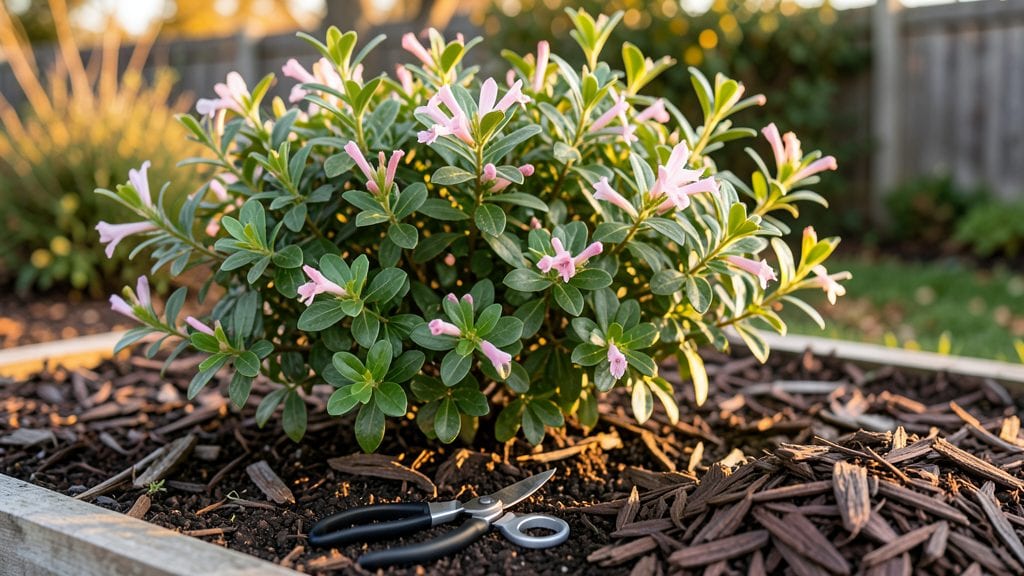
Abelia plant pruning turns that wild, leggy shrub into a neat, blooming machine—and the secret lies in just three cuts a year. ✨ I used to dread the sight of my abelia’s tangled branches until I discovered this simple routine. that keeps it compact, flowering, and looking polished year-round.
The magic happens in early spring, mid-summer, and late winter—each cut serves a purpose. Spring’s light trim clears dead wood and shapes new growth, summer’s deadheading boosts fall blooms, and winter’s hard prune rejuvenates the plant before spring.
You’ll need just a pair of sharp bypass pruners and 20 minutes of focused time.
By summer’s end, you’ll have a bush that’s dense, vibrant, and covered in fragrant white blooms—not the straggly mess most gardeners give up on. The key is cutting at the right nodes and avoiding over-pruning, which stresses the plant.
I’ll show you exactly where to make those cuts for maximum impact.
Works for all abelia varieties, from the classic Abelia × grandiflora to dwarf types. Whether you’re dealing with a mature shrub or a young plant, this method keeps them thriving for decades. Let’s get those shears ready!
📚 In This Guide
- What you need
- Instructions
- Tips and common mistakes
- Wrapping up and next steps
What you need
- ● Pruning shears: Bypass pruners (sharp, clean, and capable of cutting up to ¼-inch stems)
- ● Loppers: Bypass loppers (for thicker branches, ½-inch to 1-inch diameter)
- ● Hand pruners: Anvil pruners (backup for small stems, but avoid overuse—they crush tissue)
- ● Gloves: Garden gloves (cut-resistant, medium to heavy-duty)
- ● Disinfectant: Rubbing alcohol (70%+) or pruning sealant (to sterilize tools between cuts)
- ● Trash bags: Heavy-duty contractor bags (for debris; 1–2 bags depending on plant size)
- ● Rake: Small leaf rake (to clear fallen leaves/debris from the base)
- ● Pruning saw: For thick, woody stems (rare for Abelia but handy for mature plants)
- ● Hose or bucket: To rinse tools mid-pruning and keep cuts clean
- ● Plant food: Balanced fertilizer (10-10-10) (apply after pruning for a growth boost)
- ● Mulch: Shredded bark or pine straw (to protect roots post-pruning)
Step-by-step guide to pruning abelia plants for year-round shape
Here's the simple routine I use to keep abelia blooming beautifully all season—no green thumb required.
✂️ Step 1: Light Spring Pruning After Blooms Fade
Start the moment abelia flowers finish blooming in early spring. This is the most important cut of the year—it encourages fresh growth and keeps your plant lush. Use clean, sharp pruners to remove about one-third of the oldest stems right at the base. Look for stems that are thinner, woody, or have fewer leaves—they’re the ones slowing down your plant.
Don’t worry about cutting back all the way to the ground. Just trim back to a healthy bud or side branch. You’ll see new growth emerge within 2-3 weeks—that’s your signal everything’s working. This cut also prevents the plant from becoming too leggy later in the season.
✂️ Step 2: Mid-Season Thinning for Airflow and Shape
Around late June or early July, give your abelia a quick shape-up. Focus on removing any crossing branches or stems growing inward—they compete for sunlight and air circulation. Cut these back to a strong outward-facing bud or branch. This keeps the center of the plant open and prevents disease.
I also trim back any overly long stems by about one-quarter to maintain a balanced shape. You’ll notice new side shoots forming along the cuts—these will fill out the plant nicely. Avoid heavy pruning now, though. Abelia blooms on current year’s growth, so cutting too much will reduce next year’s flowers.
✂️ Step 3: Light Winter Pruning to Clean and Shape
When winter dormancy arrives, do a final light pruning before new growth starts. Remove any dead, diseased, or damaged branches completely. Then, trim back any overly long stems by about one-third to maintain the plant’s natural shape. This is also a great time to thin out crowded branches to improve airflow.
I like to do this in late winter or early spring before buds start swelling. It’s easier to see the plant’s structure without leaves in the way. After pruning, give the plant a light feeding with a balanced fertilizer to encourage fresh spring growth. You’ll see vibrant new leaves emerging within 3-4 weeks.
⏰ Step 4: Optional Renewal Pruning for Older Plants
If your abelia looks leggy or overgrown, you can do a renewal pruning in early spring. This is more aggressive but works wonders for older plants. Cut back one-third to one-half of the oldest stems to just above a strong bud or side branch. You’ll be left with a shorter, bushier plant that blooms even better.
Don’t do this every year—once every 2-3 years is plenty. After pruning, your plant might look sparse for a while, but it’ll bounce back with fresh, vigorous growth. Water well and keep the soil moist until new shoots appear. This is the best way to rejuvenate an abelia that’s lost its shape over time.
Tips & tricks for perfect abelia plant pruning
Mastering abelia pruning takes patience and precision—here's how to keep your plant thriving year after year.
Timing is Everything: The 2-3 week window after spring pruning is critical for new growth. Mark your calendar for late June/early July for mid-season thinning—this is when abelia naturally enters its growth spurt phase. I always set a reminder because missing this timing can lead to leggy growth or reduced flowering next season.
Tool Prep Matters: Sterilize your pruners with rubbing alcohol before each use to prevent spreading disease between cuts. I also sharpen my blades monthly—dull tools crush stems instead of cleanly cutting, which stresses the plant. For larger branches, use loppers with bypass blades for cleaner cuts that heal faster.
Shape with Purpose: When trimming back one-third of oldest stems in spring, look for the plant's natural growth pattern. Cut at a 45-degree angle just above an outward-facing bud to encourage fuller growth. This creates a more compact shape while maintaining airflow through the center. Think of it like sculpting—you're shaping the plant's future form.
Winter Prep Strategy: The late winter pruning before buds swell is your chance to clean house. Remove any deadwood completely—these branches won't regrow and can harbor pests. For healthy stems, trim back one-third to create space for new growth. This is also when I do my final shape assessment before spring blooms appear.
Pro Tips for Abelia Plant Pruning
- Mastering abelia pruning takes patience and precision—here's how to keep your plant thriving year after year.
- Timing is Everything: The 2-3 week window after spring pruning is critical for new growth.
- Tool Prep Matters: Sterilize your pruners with rubbing alcohol before each use to prevent spreading disease between cuts.
Frequently asked questions
Got questions about pruning your Abelia? You're not alone! Here are some of the most common concerns—and their answers—to help you keep your plant looking its best year-round.
When is the best time to prune Abelia?
The ideal time for major pruning is late winter or early spring (just before new growth starts). For light shaping, you can prune anytime except during fall (to avoid frost damage) or summer blooms (if you want flowers). Think of it like a haircut—timing matters!
How much can I cut back my Abelia?
You can safely prune up to ⅓ of the plant’s height in one go, but avoid overdoing it. For rejuvenation pruning, cut back old stems to the ground in stages over 2–3 years. Just don’t remove more than 20% of the foliage in a single session to prevent stress.
What if my Abelia doesn’t bloom after pruning?
Abelia blooms on new wood, so pruning in late winter/early spring (before buds form) encourages fresh flowers. If you pruned too late (after blooming), wait until next year. For immediate blooms, avoid heavy cuts in fall or summer—light shaping is safer.
Can I prune Abelia for shape without hurting it?
Use clean, sharp shears and make cuts just above a leaf node or bud at a 45-degree angle. Avoid topping (cutting straight across the top)—it creates ugly stubs. For a natural look, mimic the plant’s natural growth lines. Think less is more!
What should I do if my Abelia looks leggy after pruning?
Leggy growth often means too much shade or not enough pruning. To fix it:
- Move to 6+ hours of sunlight.
- Prune back by ⅓ in spring to encourage bushier growth.
- Fertilize with balanced 10-10-10 in early spring.
Wrapping up and next steps
Pruning your Abelia isn’t just about keeping it tidy—it’s the secret to vibrant blooms, lush foliage, and a compact shape that steals the show year-round! With just three strategic cuts—spring shaping, post-bloom cleanup, and late-winter rejuvenation—you’ll transform your plant into a thriving, low-maintenance star.
Remember, confidence comes with practice, so don’t stress over perfection; focus on healthy growth and enjoy the process.
Ready to take the next step? Grab your pruners and schedule that first trim—your Abelia (and your garden!) will thank you. 🌿✨ Happy pruning!