
Plants
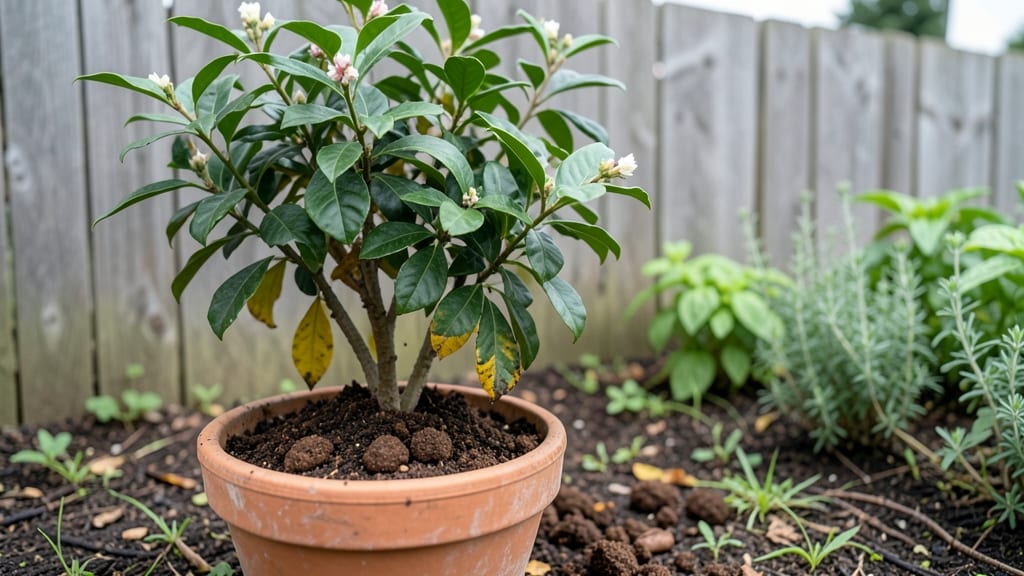
Coffee's nutrient profile makes it a natural fertilizer, especially for acid-loving plants like azaleas or blueberries. 🌱 The grounds contain nitrogen, phosphorus, and potassium—key elements for growth—while the liquid provides trace minerals. However, the caffeine content can harm sensitive plants if overused.
I recommend testing soil pH first; most garden soils benefit from the slight acidity, but alkaline soils may need adjustment. Always let coffee cool completely before applying to avoid heat shock to roots.
For best results, mix coffee grounds into compost or topsoil rather than pouring directly onto leaves. This method prevents surface buildup while still delivering nutrients to the soil microbes that plants rely on. 💫 If you're using brewed coffee, strain out grounds first to avoid clogging irrigation systems.
The key is moderation—too much coffee can create an imbalanced pH, stunting growth rather than promoting it.
💡 In This Article
- Nutritional Benefits of Coffee for Plant Growth
- Safe Coffee Fertilizer Application Techniques
Nutritional benefits of coffee for plant growth
The real magic of using coffee in gardening lies in its chemical composition. A single cup of organic coffee grounds contains approximately 2% nitrogen, 0.5% phosphorus, and 0.3% potassium—the essential trio of nutrients known as NPK.
These elements work synergistically: nitrogen fuels leafy growth, phosphorus strengthens root development, and potassium regulates water and nutrient transport. The caffeine in coffee (about 1-2% by weight) acts as a natural herbicide in high concentrations, but when diluted properly, it stimulates microbial activity in the soil. 🌱
Organic coffee grounds offer a more balanced nutrient profile than instant coffee, which often contains additives and lacks the natural fiber structure. When decomposed, organic grounds introduce beneficial microorganisms that break down organic matter, creating a nutrient-rich humus layer.
Instant coffee, on the other hand, dissolves quickly but may leave behind residual salts that can harm soil structure over time.
The pH of coffee grounds typically ranges from 6.0 to 6.5, making it ideal for acid-loving plants like hydrangeas, rhododendrons, and blueberries, which thrive in soils with a pH below 7.0. For alkaline soil plants like lavender or rosemary, coffee can actually help lower the pH gradually.
The nitrogen in coffee grounds is particularly valuable because it's released slowly as microbes decompose the organic matter—a process called mineralization. This slow-release mechanism prevents nutrient spikes that can burn plant roots. Phosphorus in coffee supports energy transfer within plant cells, while potassium enhances disease resistance and cold tolerance.
What's fascinating is how these nutrients interact with soil microbes: the same bacteria that decompose coffee grounds also produce growth-promoting hormones like auxins, which stimulate root elongation. This microbial-fertilizer synergy is why coffee grounds work better when mixed into soil rather than applied as a surface mulch. 💫
However, the pH impact can't be ignored. Fresh coffee grounds are acidic, with a pH as low as 4.5 to 5.0 when steeped. While this benefits acidophilic plants, repeated applications can create a micro-environment that's too acidic for most garden soils.
The key is balance: coffee should complement existing soil conditions rather than dominate them. For example, a 1:4 coffee-to-water ratio creates a solution with a pH around 5.5 to 6.0, which is safe for most plants when used monthly.
This dilution also reduces caffeine concentration to levels that stimulate rather than inhibit growth.
Consider this comparison: a 1-cup serving of organic coffee grounds contains roughly 1.5 grams of nitrogen, equivalent to about 0.01% of a balanced 10-10-10 fertilizer's nitrogen content per pound of soil.
While this seems modest, the organic nature of coffee nutrients means they become more available to plants over time through microbial activity. The real advantage comes when coffee grounds are composted first, where they transform into a stable, slow-release fertilizer with improved nutrient availability and reduced acidity.
This composted form is particularly valuable for container gardens where soil volume is limited. 🔥
The texture of coffee grounds also matters. Fresh grounds have a coarse, granular structure that improves soil aeration when mixed in, while brewed coffee liquid provides immediate hydration and trace minerals like magnesium and calcium.
The combination creates a micro-environment that encourages beneficial fungal networks in the soil, particularly mycorrhizae that form symbiotic relationships with plant roots. These fungi extend the root system's reach by up to 10 times, dramatically improving nutrient and water uptake.
This is why coffee works so well for plants in pots or poor-quality soil where root expansion is limited. 💫