
Plants
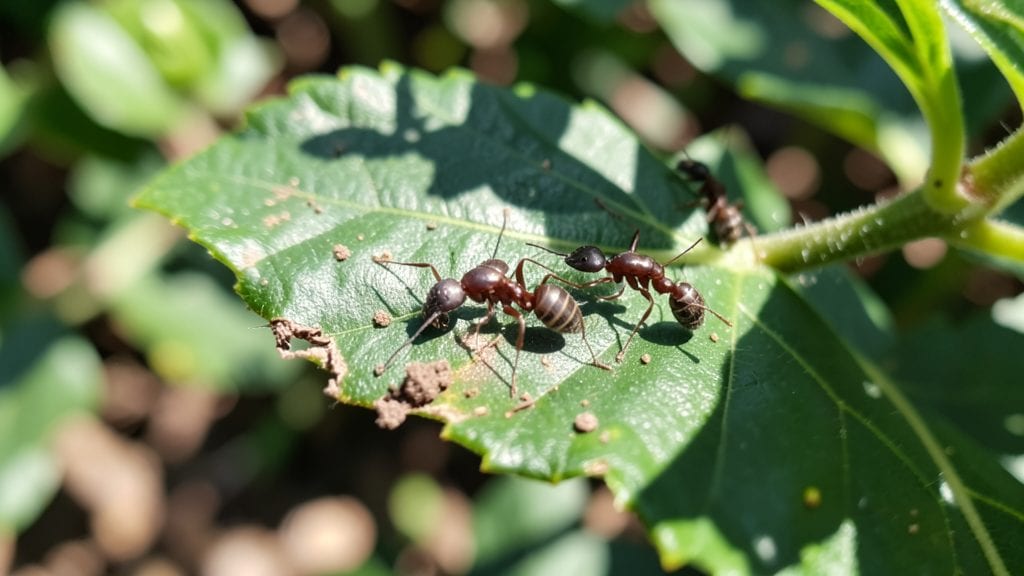
Ants in hibiscus plants can turn your prized blooms into a sugar-fueled highway within days. 🌿 I’ve watched these tiny invaders march across leaves, leaving behind sticky honeydew that smothers buds and attracts worse pests—until I discovered a three-step barrier method that stops them in their tracks.
The key isn’t just spraying but cutting off their access points and disrupting their trails.
Most gardeners assume ants are harmless, but they’re actually hitchhiking on aphids, mealybugs, or scale insects, which they protect in exchange for honeydew. Left unchecked, this creates a vicious cycle: more ants, more pests, and fewer flowers.
My hibiscus went from wilting buds to vibrant blooms in under a week after implementing these targeted barriers—no toxic sprays needed.
You’ll learn how to prune strategically, apply organic deterrents, and introduce natural predators like ladybugs to break the cycle. The best part? These methods work in 24-48 hours for minor infestations, and the barriers last through the growing season. No more watching your hibiscus turn into an ant superhighway.
Whether you’re dealing with a single plant or a full garden, this approach scales easily. The secret lies in disrupting their routes while keeping your hibiscus thriving—no guesswork, just results. Let’s get those ants off your plants for good.
The Hidden Draw of Hibiscus
Ants invading your hibiscus plants aren’t just a nuisance—they’re often following a trail of sweet rewards. Understanding why they’re there is the first step to kicking them out for good. Here’s what’s really luring them in and how their behavior ties to your plant’s health.
Most ants don’t eat hibiscus leaves or flowers directly, but they love the sticky, sugary substance called honeydew that aphids, mealybugs, and scale insects leave behind. These tiny sap-sucking pests pierce your hibiscus’s stems and leaves, excreting honeydew like nature’s candy factory.
Ants farm these pests like cattle, protecting them in exchange for a steady sugar supply.
- 🔍 What to watch for: Sticky residue on leaves, white cottony masses (mealybugs), or tiny black dots (aphids).
- 💡 Pro tip: Shake your plant over a white sheet to spot honeydew or pests. If you see ants trailing toward specific spots, that’s their “sugar bar.”
Ants don’t just wander in—they choose hibiscus plants as prime real estate. Why? Because hibiscus offers:
- 🌿 Shelter: Dense foliage and crevices in the soil or bark provide perfect hiding spots for colonies.
- 🚜 Highways to food: Ants build trails along stems and branches to access honeydew or other food sources (like fallen fruit or pet food).
- 🌱 Moisture: Hibiscus plants often have well-drained but consistently damp soil—ideal for ant colonies.
If you’ve spotted ants near your hibiscus but not on it, they’re likely scouting for a permanent setup. Once they move in, they’ll defend their territory aggressively, even attacking other insects (or your pest-control efforts!).
A stressed hibiscus is like an open invitation for ants and their pest partners. Common stressors that make your plant vulnerable include:
| Stressor | How It Helps Ants |
|---|---|
| 💧 Overwatering or poor drainage | Soft, rotting stems = easier for ants to tunnel and aphids to latch on. |
| ☀️ Too much sun or heat | Weakened leaves = less resistance to sap-sucking pests. |
| 🍄 Nutrient deficiencies | Stunted growth = slower recovery from pest damage, giving ants a foothold. |
| 🪴 Root-bound or crowded pots | Stressed roots = less energy to fight off invaders. |
💡 Fix it: Healthy hibiscus = fewer pests. Focus on balanced watering, well-draining soil, and occasional fertilizer (like a 10-10-10 blend) to keep your plant thriving.
Ants aren’t just hitchhikers—they’re bodyguards for worse pests. By tending to honeydew producers like aphids, they create a vicious cycle:
- 🐜 Ants recruit aphids to your hibiscus by carrying them on their backs or laying eggs near new growth.
- 🍯 Aphids feast on sap, weakening the plant and producing more honeydew.
- 🐜 Ants expand their colony, building trails and protecting the aphids from predators (like ladybugs).
- 🌱 Plant declines as pests drain nutrients, making it even easier for ants to move in.
🔥 Key takeaway: Breaking this cycle starts with disrupting the ants’ “farm.” Without their protection, aphids and mealybugs become easy targets for natural predators.
Quick Fixes for Ant Infestations
Ants in hibiscus plants can be frustrating, but the good news is that you can tackle them effectively with simple, organic solutions. The key is to address the root cause—whether it’s food sources, nesting sites, or moisture—while preventing future invasions.
Below are practical, step-by-step fixes tailored to common triggers, along with long-term prevention tips to keep your hibiscus thriving.
Ants are drawn to hibiscus plants primarily for sweet nectar, honeydew from aphids, or fallen fruit. Cutting off their food supply disrupts their foraging patterns.
🔥 Step 1: Inspect for Sap-Sucking Pests
If ants are trailing up your hibiscus, they’re likely following aphids, mealybugs, or scale insects, which secrete honeydew—a favorite ant snack. - 👨🍳 Spray with soapy water: Mix 1 tsp mild dish soap + 1 quart water in a spray bottle.
Target undersides of leaves and stems where pests hide. - 🌿 Introduce beneficial insects: Ladybugs, lacewings, or parasitic wasps (like Aphidius colemani) eat aphids naturally. Buy them online or attract them with neem oil sprays (repels pests but not ants).
🥘 Clean Up Debris & Fallen Flowers
Overripe hibiscus blooms and fallen petals ferment, creating sugar-rich bait for ants. - ⏰ Weekly maintenance: Pick up debris within 24 hours of flowers dropping.
Compost it far from your garden (ants will follow the scent). - 🗑️ Use a trash bin with a lid for plant clippings to prevent ants from raiding it.
Ants march in single-file along stems, branches, or even water sources. Disrupt their highways with natural deterrents.
🔪 Create a DIY Ant Barrier
- 🌡️ Cinnamon or cayenne pepper: Sprinkle ground cinnamon or cayenne around the hibiscus base and along stems. Ants hate the scent and avoid crossing it.
Reapply after rain. - 🧴 Diatomaceous earth (DE): Food-grade DE is a microscopic powder that dehydrates ants.
Lightly dust it in a 1-inch ring around the plant base. Avoid overapplying—it can harm beneficial insects. - 🍎 Crushed citrus or coffee grounds: Place orange peels, lemon rinds, or used coffee grounds near the plant. The acidity and smell repel ants.
🚧 Seal Cracks & Entry Points
- 🔧 Check pots: If your hibiscus is in a container, ensure no gaps between the pot and saucer.
Ants can crawl up from the soil. - 🌱 Elevate plants: Place pots on brick or gravel to prevent ants from climbing from the ground.
Ants thrive in moist, shaded areas. Reduce their appeal by improving drainage and airflow.
💡 Fix Overwatering Issues
- 📊 Water deeply but less often: Hibiscus roots rot in soggy soil, attracting moisture-loving ants like fire ants or carpenter ants.
- Test soil moisture: Stick your finger 2 inches deep—water only if dry.
- 🌿 Improve drainage: Add perlite or sand to potting mix if using containers.
- 🌞 Increase sunlight: Ants avoid hot, dry conditions.
Place hibiscus in full sun (6+ hours/day) to make it less inviting.
🏗️ Remove Mulch Near the Base
Thick mulch retains moisture and hides ant trails. Instead:
- 🪴 Use a 2-inch mulch ring around the plant (not touching the stem).
- 🌿 Opt for gravel or bark chips (less attractive to ants than wood mulch).
Once you’ve kicked the ants out, keep them from returning with these habits:
- 💡 Regular pruning: Trim dead or diseased branches—ants hide in crevices. - 🌿 Rotate plants: Move hibiscus every few months to disrupt ant trails. - 🚫 Avoid over-fertilizing: Too much sugar in the soil (from synthetic fertilizers) attracts ants.
Use slow-release organic fertilizer instead. - 🐝 Encourage ant predators: Birds, toads, and spiders eat ants. Plant native flowers to attract them.
✨ Pro Tip: If ants persist, bait them strategically. Mix borax + sugar (1:1 ratio) in a shallow dish near the plant. Ants carry it back to the colony, eliminating them. Use sparingly—borax is toxic to pets if ingested in large amounts.*
By combining food removal, physical barriers, and habitat changes, you’ll send ants packing—without chemicals—and keep your hibiscus lush and ant-free! 🌺🚫🐜
Frequently asked questions about ants in hibiscus plants
Why are ants suddenly crawling all over my hibiscus?
Ants don’t eat hibiscus leaves—they’re following trails of honeydew, a sticky sugar produced by sap-sucking pests like aphids or mealybugs. These pests provide ants with food in exchange for protection. Check leaf undersides for tiny black dots (aphids) or white cottony masses (mealybugs).
Will ants actually harm my hibiscus plant?
Indirectly, yes! While ants don’t damage hibiscus directly, they protect harmful pests that drain nutrients and spread diseases. The honeydew they produce also attracts sooty mold, which coats leaves and blocks sunlight. A healthy hibiscus can handle small ant activity, but large colonies weaken the plant over time.
What’s the fastest way to get rid of ants without chemicals?
Create a cinnamon or diatomaceous earth barrier around the plant base. Sprinkle ground cinnamon or food-grade DE in a 1-inch ring—ants avoid crossing these. For stubborn trails, wipe stems with a mix of water + dish soap (1 tsp per quart). Reapply after rain. Works in 24-48 hours for minor infestations.
Can I use coffee grounds to repel ants from my hibiscus?
Yes! Used coffee grounds create an effective natural barrier. Sprinkle them around the plant base and along stems—ants dislike the strong smell. Refresh every 3-5 days or after rain. For extra protection, mix with crushed citrus peels (the acidity doubles as a deterrent).
How do I prevent ants from returning to my hibiscus?
Focus on three key strategies:
- Remove food sources (clean up fallen blooms, treat sap-sucking pests),
- Improve drainage (ants love moist soil—water only when top 2 inches are dry), and
- Maintain plant health (fertilize with balanced organic nutrients). Rotate plants occasionally to disrupt ant trails.