
Planting
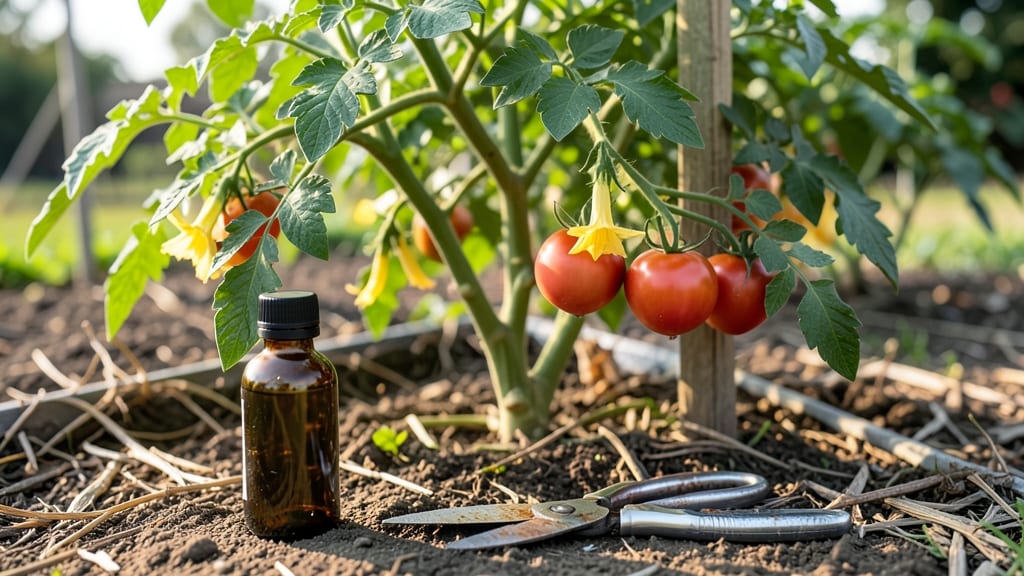
Tomato plant poison exists in the green parts—stems, leaves, and unripe fruit—because they contain solanine and tomatine, which can trigger nausea, vomiting, and digestive distress if consumed in large amounts. While ripe tomatoes are generally safe, their sap may still irritate sensitive skin.
These toxic compounds act as natural defenses for the plant, especially when exposed to stress or damage. 🌱 While cooking reduces their potency, it's still wise to avoid eating green tomatoes or using them in recipes where they might be undercooked.
Gardeners should wear gloves when handling plants and dispose of green parts properly to keep pets and children safe.
Even ripe tomatoes require caution—some people experience skin irritation from prolonged contact with their juice, particularly if you have sensitive skin or open wounds. Always wash your hands after handling tomato plants to minimize any risk of reaction.
💡 In This Article
- Toxic Compounds in Tomato Plants and Their Effects
- Safe Handling Tips for Tomato Plants in Gardens
Toxic compounds in tomato plants and their effects
The green parts of tomato plants contain two key toxic compounds: solanine and tomatine, both glycoalkaloids that act as natural pesticides. Solanine concentrations reach up to 5 mg/g in green tomatoes, while ripe red ones drop to trace amounts (0.001 mg/g).
These compounds trigger gastrointestinal distress by binding to acetylcholine receptors in the nervous system, disrupting normal muscle function. 🔥
Symptoms from ingestion typically appear within 6-12 hours and include nausea, vomiting, diarrhea, and dizziness—similar to mild food poisoning. Dogs and cats are particularly vulnerable due to their smaller size; even small amounts (0.2 mg/kg body weight) can cause toxicity.
The compounds' bitter taste often deters consumption, but curious pets or children might still ingest them. Cooking reduces toxicity by 50-90%, but green tomatoes should never be eaten raw.
The plant produces these compounds as a defense mechanism against insects and pathogens. When leaves or stems are damaged, the plant increases solanine production in surrounding tissues—a chemical alarm system.
This explains why overripe or stressed plants may contain higher concentrations. 💫 The bright green color of unripe tomatoes serves as a visual warning to predators, including humans and animals.
Interestingly, tomatine's structure resembles cholesterol, which may explain its ability to disrupt cell membranes. Studies show it can reduce cholesterol absorption in the gut by up to 30%—a double-edged sword since while it may have health benefits in small doses, large amounts become toxic.
The compounds break down during cooking, but their presence in raw green parts makes them unsafe for consumption.
For gardeners, this means proper disposal is crucial. Composting green tomato parts can spread toxins, while feeding them to livestock risks contamination. Always wear gloves when pruning and wash hands thoroughly after handling.
The good news? Once tomatoes ripen to red, their solanine/tomatine levels drop dramatically, making them safe to eat while retaining their nutritional benefits like vitamin C and lycopene. ✨