
Plants
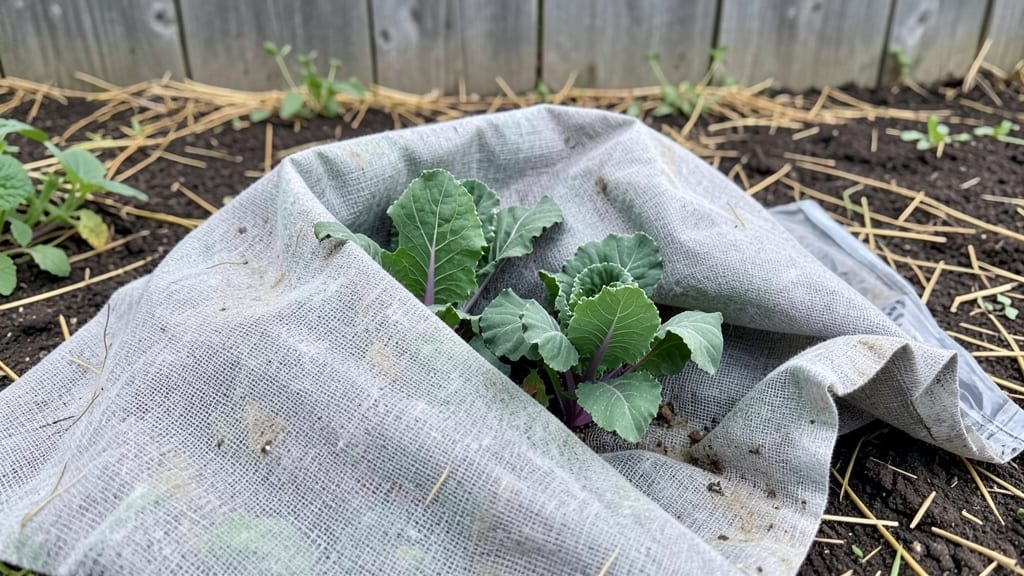
Frost cloth can safely touch most plants without harm, since its lightweight fabric lets sunlight, air, and moisture pass through while shielding against freezing. That said, overly delicate plants like ferns or succulents may show stress if left covered for extended periods.
This breathable barrier works by trapping a thin layer of warm air near the plant while still allowing light to penetrate—typically about 50-70% of sunlight reaches through.
The key is airflow: unlike plastic sheets that smother plants, frost cloth creates a microclimate that regulates temperature without suffocating foliage. 🌿 For sensitive species, I recommend securing the cloth with stakes or hoops to maintain 2-3 inches of space, especially during damp conditions where moisture buildup could occur.
Seasonal timing matters too—fall frosts often require full coverage, while spring's milder drops might only need partial protection. Always monitor plants after covering: signs like yellowing leaves or stunted growth signal it's time to adjust your approach.
💡 In This Article
- How Frost Cloth Protects Plants Without Damage
- When to Avoid Direct Frost Cloth Contact with Plants
How frost cloth protects plants without damage
The magic of frost cloth lies in its dual-layer construction, designed to mimic nature's insulating properties. The outer layer—typically made of lightweight polyester or polypropylene—blocks up to 90% of radiant heat loss while still allowing 50-70% of sunlight to pass through.
This balance creates what scientists call a "radiation shield" that traps a thin layer of warm air near the plant surface, raising temperatures by 4-8°F compared to uncovered plants.
Unlike plastic sheets that trap moisture and heat, frost cloth's porous weave maintains airflow at 0.1-0.2 cubic feet per minute per square foot, preventing suffocation. 🌡️
At the cellular level, frost cloth's protection works by slowing the freezing process. Plant cells contain water that expands when frozen, rupturing cell walls at temperatures below 32°F. The cloth's insulation delays this drop, giving plants time to activate protective compounds like antifreeze proteins.
Studies show that even a 2°F temperature increase can prevent ice crystal formation in sensitive species like tomatoes or peppers. The fabric's 0.5-1.0 mm thickness is just enough to disrupt wind chill while remaining thin enough to avoid smothering.
Fabric weight makes a critical difference in plant stress levels. Lightweight 1.2 oz/yd² cloths provide enough protection for most annuals and perennials while allowing full contact. Heavier 2.0 oz/yd² versions offer better insulation but should stay 1-2 inches away from delicate foliage to prevent moisture buildup.
The key is maintaining airflow—when humidity exceeds 70%, condensation forms on the cloth's underside, creating a damp microclimate that can promote fungal growth in sensitive plants like ferns or hostas.
Visual cues help gauge proper coverage. When draped correctly, frost cloth should appear taut but not stretched tight—this ensures even air circulation. Look for 1-2 inches of space between the fabric and plant tops, especially for broadleaf species.
The cloth's white or silver color also matters: reflective surfaces bounce 30-50% more light back to the plants during daytime, supplementing their photosynthesis needs while still providing nighttime insulation.
Seasonal variations require adjustment. In early fall when temperatures drop from 40°F to 30°F, full contact is usually safe for most plants. But during late spring frosts (35-45°F), even hardy plants may benefit from 1-inch spacing to prevent overheating during sunny days.
The cloth's breathability means it won't create a greenhouse effect like plastic, but proper spacing prevents the 10-15°F temperature spikes that can occur when fabric touches broadleaf surfaces.
For maximum effectiveness, combine frost cloth with proper anchoring. Stakes or hoops create 2-3 inches of air space while maintaining even coverage. This method works particularly well for tall plants like corn or sunflowers, where direct contact could trap too much moisture.
The airflow prevents what gardeners call "cloth burn"—a condition where trapped heat and moisture create ideal conditions for bacterial or fungal infections on sensitive foliage. 🌱