
Watering
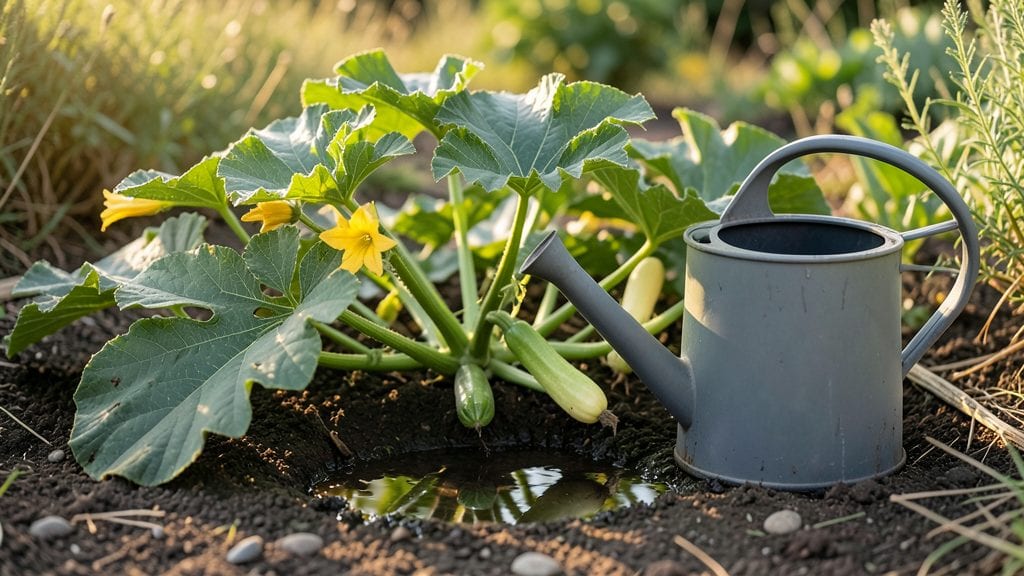
Overwatering squash plants turns your garden into a swamp—yellow leaves, mushy stems, and that dreaded musty smell. 🌱 I’ve pulled squash plants from the brink of root rot more times than I’d like to admit, and the fix is simpler than you’d think.
The key is recognizing the early signs before the roots suffocate.
Most gardeners drown squash thinking they’re giving their plants a drink. But squash thrives in consistently moist—not soggy—soil. Check the top inch of soil before watering; if it’s damp, wait.
Yellowing leaves paired with wilting (even with water) mean the roots are drowning, and fungal growth on stems confirms it’s time for a rescue.
Drainage is your first line of defense—amend heavy soil with compost or sand to help water move through. Water deeply but less often, focusing on the base of the plant rather than overhead spraying.
Within a week, you’ll see new green growth as the roots recover and the plant regains its vigor.
This method works for zucchini, summer squash, and pumpkins alike. The secret isn’t just cutting back on water—it’s giving your plants the right conditions to thrive. Let’s turn those sad leaves into lush, productive vines again.
Root Rot’s Silent Invaders
Overwatering squash plants isn’t just about giving them too much water—it’s often a cascade of avoidable mistakes that create the perfect storm for root rot. Understanding the why behind this common gardening blunder is the first step to saving your squash harvest.
Let’s break down the real culprits, rooted in science and garden reality.
Squash plants thrive in well-draining soil, but when water can’t escape, roots suffocate. Here’s why this happens: - Compacted Soil: Heavy clay or tightly packed dirt acts like a sponge, holding water against the roots.
Even if your soil looks loose, tilling it too much can create a dense layer beneath the surface. - Improper Containers: Pots without drainage holes or garden beds with a hardpan (a dense, waterproof layer) trap excess moisture.
Roots left in soggy conditions for more than 24–48 hours start to rot. - Mulch Overload: While mulch conserves moisture, piling it too thick (over 3 inches) or using impermeable materials (like plastic sheeting) blocks airflow and water evaporation.
Actionable Fix: Test your soil’s drainage by digging a 6-inch hole, filling it with water, and timing how long it takes to drain. If it’s slower than 4–6 hours, amend with compost or sand to improve porosity.
Squash plants hate feast-or-famine watering. Here’s how erratic schedules backfire: - Frequent Light Waterings: Short, shallow waterings (like a sprinkle every morning) encourage roots to stay near the surface, where they’re more exposed to moisture fluctuations.
When the topsoil dries, roots panic and absorb even more water in desperation—setting up a cycle of overhydration. - Late-Day Watering: Watering after sunset delays evaporation but leaves foliage damp overnight, increasing fungal risks (like Phytophthora, a root-rot trigger). - Ignoring Plant Signals: Wilting isn’t always thirst—it can signal root stress from overwatering.
By the time leaves turn yellow or stems feel mushy, the damage is often irreversible.
Actionable Fix: Water deeply 1–2 times per week (depending on climate), aiming for 1–1.5 inches of water per session. Use a moisture meter or the "squeeze test" (grab a handful of soil—if it’s damp but not soggy, you’re golden).
Too much nitrogen or synthetic fertilizers can weaken roots and make them more susceptible to rot. Here’s the science: - Salt Buildup: Excess fertilizers (especially chemical ones) increase soil salinity, which disrupts the plant’s ability to absorb water and nutrients.
Roots become osmotically stressed, forcing them to take in more water to compensate—leading to bloated, rotting cells. - Microbe Imbalance: Healthy soil relies on beneficial fungi (like mycorrhizae) to protect roots.
Over-fertilizing can starve these microbes, leaving roots vulnerable to pathogens. - Weak Root Growth: Lush top growth from heavy nitrogen masks poor root development. Weak roots can’t support the plant’s needs, so they overcompensate by absorbing excess water.
Actionable Fix: Switch to organic, slow-release fertilizers (like compost or worm castings) and follow the 1-1-1 rule: 1 part nitrogen, 1 part phosphorus, 1 part potassium. Always water after fertilizing to dilute salts.
Sometimes, it’s not you—it’s the weather or your garden’s setup. Common triggers include: - High Humidity: Stagnant air (common in greenhouses or shaded areas) slows evaporation, keeping soil damp longer.
Pair this with poor airflow, and fungal spores thrive. - Cold Soil: Roots in below-60°F soil (like early spring or fall plantings) struggle to absorb oxygen, making them more prone to waterlogging. - Shallow Planting: Burying squash seeds or transplants too shallowly (less than 1 inch deep) encourages roots to grow upward, where they’re exposed to surface moisture and temperature swings.
Actionable Fix: Improve airflow with pruning (remove crowded leaves) and raised beds (if drainage is poor). For cold soil, use black plastic mulch to warm the roots before planting.
Squash plants have different water needs at each growth phase: - Seedlings: Overwatering here causes damping-off (a fungal rot that kills young stems at the soil line).
Keep soil lightly moist, not soggy. - Flowering/Fruiting: This is peak watering time, but sudden spikes (like after a dry spell) can shock the plant.
Gradually increase water as vines spread. - Harvest Time: Overwatering mature plants dilutes nutrients in the fruit, leading to blossom-end rot (a separate but related issue).
Actionable Fix: Adjust your watering schedule like a thermostat—cool it down for seedlings, ramp up during fruiting, and taper off as harvest nears.
Pro Tip 💡: Yellowing leaves + mushy stems = classic overwatering. But here’s the twist: Check the soil 2 inches down—if it’s dry, the problem might be underwatering (roots retracting to avoid soggy zones). Always dig deeper than you think!
Fixing Overwatered Squash Plants
Now that you’ve spotted the warning signs—yellowing leaves, mushy stems, or foul-smelling soil—it’s time to take action. Overwatering can feel like a death sentence for squash, but with the right steps, you can nurse your plants back to health and prevent future disasters.
Below, we’ll map out cause-specific fixes, along with prevention tips to keep your squash thriving. Let’s get your garden back on track!
Cause: Overwatering or poor drainage leads to fungal root rot, cutting off oxygen and nutrients.
Fix It:
- Stop Watering Immediately 🚰
- Let the soil dry out completely before watering again. Stick your finger 1–2 inches into the soil—if it’s damp, wait.
- Improve Drainage 🏗️
- Mix in coarse sand, perlite, or compost to loosen heavy clay soil. For containers, add gravel or broken pottery at the bottom.
- Trim Damaged Roots ✂️
- Gently remove the plant from the soil and prune black, mushy roots with sterilized scissors. Replant in fresh, well-draining soil.
- Fungal Treatment (If Needed) 💊
- Spritz roots with a copper fungicide or hydrogen peroxide solution (1 part peroxide to 4 parts water) to fight rot.
Prevention Tip: 💡 Use a moisture meter or the "squeeze test"—if soil clumps when pressed, it’s too wet. Aim for 1 inch of water per week, adjusting for rain.
Cause: Excessive moisture stresses plants, causing leaves to droop or curl.
Fix It:
- Water Deeply but Less Often 💧
- Water early in the morning (6–8 AM) to reduce evaporation. Avoid evening watering, which promotes fungal growth.
- Check Mulch Levels 🌿
- A 2–3 inch layer of straw or wood chips retains moisture without suffocating roots. Remove old mulch if it’s compacted.
- Boost Airflow 🌬️
- Thin out nearby plants or prune dense foliage to improve circulation. Squash needs space (3–4 feet apart) to dry quickly.
Prevention Tip: ✨ Drip irrigation delivers water directly to roots, reducing leaf wetness. If using a hose, water at the base—never overhead!
Cause: Ignoring soil conditions, relying on schedules, or using the wrong containers.
Fix It:
- Upgrade Your Containers 🏺
- If growing in pots, choose terracotta or fabric grow bags (they dry faster than plastic). Ensure drainage holes are present.
- Test Soil Moisture 🧪
- Use a wooden dowel or finger to check depth. Squash prefers slightly dry topsoil between waterings.
- Adjust for Weather ☀️🌧️
- Hot/dry days? Water lightly daily.
- Cool/rainy days? Skip watering entirely.
Prevention Tip: 🎯 Group squash with drought-tolerant plants (like beans or peppers) to create a microclimate that regulates moisture.
Cause: Long-term overwatering leads to irreversible root collapse.
Fix It:
- Repot in Fresh Soil 🌱
- If roots are beyond saving, propagate healthy stem cuttings in a 50/50 mix of perlite and potting soil.
- Fertilize Lightly 🍽️
- Use a balanced, water-soluble fertilizer (10-10-10) only after roots show regrowth. Overfeeding stressed plants worsens rot.
- Monitor Closely 👀
- Keep the plant in bright, indirect light and avoid watering for 3–5 days to assess recovery.
Prevention Tip: ⏰ Set reminders for watering days—overenthusiasm is the #1 killer of squash!
Final Thought: Overwatering is a fixable issue, not a death sentence. By adjusting your routine, improving drainage, and learning your plant’s signals, you’ll grow squash that’s strong, productive, and rot-free. Now grab your trowel—your garden’s comeback starts today! 🚀
Frequently asked questions
Why do my squash leaves turn yellow when I water them regularly?
Yellowing leaves are a classic sign of overwatering because squash roots need oxygen. When soil stays too wet, roots suffocate and can't absorb nutrients properly. Check soil moisture 2 inches down—if it's damp, hold off on watering. Yellowing paired with wilting means roots are drowning, not thirsty.
Can I save my squash plant if the stems feel mushy?
Mushy stems signal advanced root rot, but you can still try saving it. Immediately stop watering and trim away blackened roots before replanting in fresh, well-draining soil with perlite. For fungal infections, use a copper fungicide. If the plant doesn't recover in 3-5 days, consider propagating healthy stem cuttings instead.
How often should I water squash plants in hot weather?
In hot weather, water deeply every 2-3 days (about 1-1.5 inches per session) early in the morning. Focus on the soil base, not leaves, to prevent fungal growth. Use mulch to retain moisture but keep it to 2-3 inches thick—too much traps dampness. Monitor soil moisture daily during heatwaves.
What's the best way to test if my squash soil is too wet?
Use the squeeze test: Grab a handful of soil 2 inches down. If it clumps tightly when pressed, it's too wet. For a quick check, insert a wooden dowel—if it comes out damp after 10 minutes, wait to water. A moisture meter gives precise readings, but your finger works in a pinch.
Will overwatering affect my squash fruit quality?
Yes! Excess water dilutes nutrients in the fruit, leading to blossom-end rot (blackened bottoms) and poor flavor. Overwatered plants also produce smaller, misshapen squash. To prevent this, water consistently but deeply, and reduce watering as fruits mature. Harvest when firm and vibrant in color.