
Companion Plants
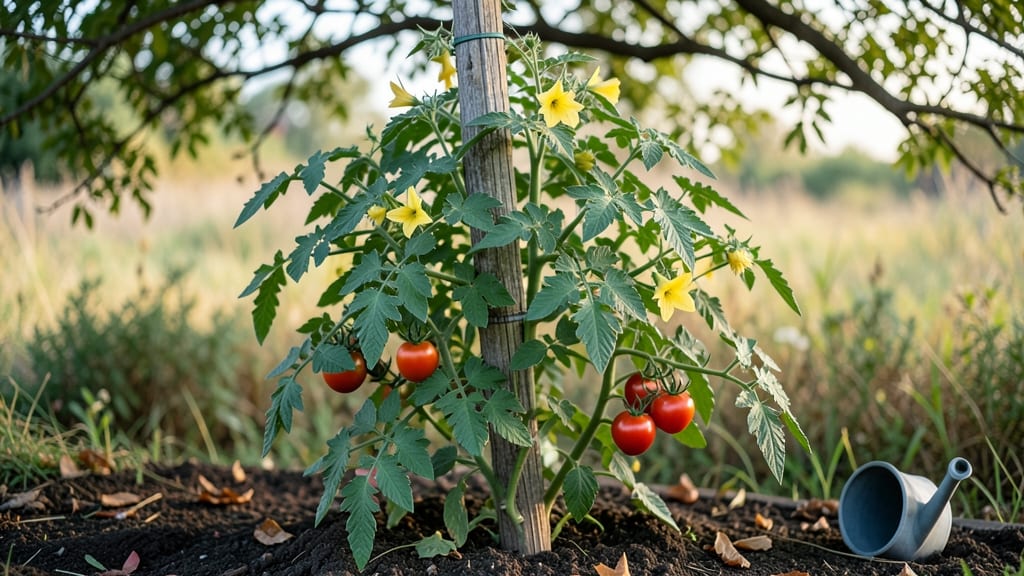
Bodacious tomato plants like Black Krim and Brandywine turn gardens into lush, dramatic centerpieces that steal the show. 🌿 I planted my first Big Beef tomato last summer, and the way it sprawled with deep purple-green fruits made neighbors stop and stare—it wasn’t just the harvest, but the sheer presence of the plant that wowed everyone.
These varieties aren’t just productive; they’re conversation starters, with colors ranging from deep crimson to nearly black, and sizes that make them impossible to ignore.
The secret to making them shine isn’t just the plant itself—it’s how you stage it. Pairing them with companion plants like basil (which improves flavor) or marigolds (which repel pests) creates a layered look that feels intentional.
I tucked mine between tall sunflowers and trailing nasturtiums, so the tomatoes became the star of a vertical garden display that drew eyes upward. Even in containers, these tomatoes command attention, especially when planted alongside fragrant herbs or vibrant peppers for contrast.
By midsummer, your garden will burst with glossy foliage and clusters of fruit that look like edible art. The Brandywine’s beefsteak slices are legendary, while Black Krim’s smoky flavor makes every bite feel like a discovery.
These tomatoes aren’t just for eating—they’re for showing off, whether you’re hosting a dinner party or just want your yard to feel like a living masterpiece. Let’s design a display that makes your garden the envy of the neighborhood.
Works for raised beds, containers, or in-ground plantings—just give them room to stretch and pair them with plants that complement their boldness. The key is balancing height, color, and texture so the tomatoes become the undeniable focal point without overwhelming the space. Ready to make your garden unforgettable?
📚 In This Guide
- What you need
- Instructions
- Tips and common mistakes
- Wrapping up and next steps
What you need
- ● Tomato seeds or seedlings: Choose heirloom or hybrid varieties like 'Brandywine,' 'Cherry Roma,' or 'Sungold' for bold flavors.
- ● Quantity: 4–6 plants (or 1–2 per container if growing in pots).
- ● Companion plants (non-negotiable!): Basil (3–5 plants per tomato plant) – deters pests and boosts flavor.
- ● Marigolds (1–2 plants) – repels nematodes and aphids.
- ● Nasturtiums (2–3 plants) – traps pests and adds color.
- ● Onions or garlic (1–2 bulbs) – wards off fungal diseases.
- ● Growing space: Full-sun spot (6–8 hours of sunlight daily).
- ● Well-draining soil (pH 6.0–6.8).
- ● Garden tools: Trowel, pruners, and gloves (for planting and maintenance).
- ● Support structures: Cages (1–2 per plant) or stakes (2–3 ft tall).
- ○ Optional: Trellis for indeterminate varieties.
- ● Fertilizer: Balanced organic fertilizer (10-10-10 or compost).
- ○ Optional: Mulch (straw or grass clippings) to retain moisture.
- ● Drip irrigation system for consistent watering.
- ● Row covers (early season) to protect from pests.
- ● Fish emulsion or seaweed extract for a nutrient boost.
- ● Garden journal to track growth and companion pairings!
Instructions for crafting a thriving tomato companion garden
Here's how to strategically pair tomato plants for maximum yield and pest resistance.
🌱 Step 1: Select Your Tomato Varieties and Planting Spots
Choose 4 tomato plants with complementary growth habits—pair a determinate variety (bush type) with an indeterminate (vining type). Determinates like 'Roma' grow in compact shapes, while indeterminates like 'Sungold' climb continuously. Space them 18-24 inches apart in full sun, ensuring each plant gets at least 6 hours of direct sunlight daily.
I always plant taller indeterminates on the north side of the bed to avoid shading the shorter determinates. This creates a natural microclimate where the taller plant protects the smaller one from harsh afternoon winds. Mark planting spots with stakes to maintain proper spacing—crowding leads to poor air circulation and invites fungal diseases.
🌿 Step 2: Plant Companion Vegetables in Strategic Zones
Divide your garden into three zones around each tomato plant. In the south and east zones, plant basil and marigolds—both repel pests like whiteflies and aphids while improving tomato flavor. In the north and west zones, add onion sets or garlic cloves to deter tomato hornworms and nematodes. These companions also enhance soil structure with their fibrous roots.
I plant basil 6 inches away from tomato stems, using the 3-gallon potting mix to create small mounds for each companion. The basil's growth habit naturally shades the soil, reducing moisture loss. Marigolds go in the outer perimeter, their bright blooms attracting beneficial predatory wasps that hunt tomato pests.
☀️ Step 3: Integrate Pest-Repelling Herbs and Flowers
Weave nasturtiums and dill between tomato plants as living mulch. Nasturtiums act as a sacrificial trap crop, luring aphids away from tomatoes, while dill attracts hoverflies that prey on tomato hornworm eggs. Plant nasturtiums 12 inches from tomato stems—their trailing vines create a natural barrier against crawling insects.
For the 4 tomato plants, I distribute these companions evenly: 2 nasturtiums per plant and 1 dill plant shared between every two tomatoes. The dill's feathery foliage also provides shade for the soil, keeping roots cooler during hot afternoons. Watch for the dill to bolt—harvest its flowers to extend the season and prevent self-seeding.
✂️ Step 4: Maintain the Ecosystem Through the Season
Prune tomato suckers (side shoots) regularly but leave the first 6 leaves intact to maintain photosynthesis. When you see first true flowers, pinch off the first blossoms to encourage stronger root and vine development—this leads to bigger fruit later. Water at the base every 2-3 days until the top inch of soil feels dry, ensuring roots stay moist but never soggy.
Harvest basil leaves as needed to encourage bushier growth, and deadhead marigolds weekly to promote continuous blooming. I also rotate companion plants every 4-6 weeks—moving basil closer to the tomato stems as the season progresses. This dynamic arrangement keeps pests off-balance and maximizes space efficiency.
🪴 Step 5: Extend the Season with Strategic Succession
After the first harvest, replace spent nasturtiums with bush beans or radishes in the same zones. These fast-growing crops add nitrogen to the soil and provide ground cover until the next tomato planting. In late summer, add fall-blooming alyssum to attract beneficial insects that overwinter in the garden.
For the 4 tomato plants, I stagger replacements so each zone always has active companions. The beans fix nitrogen, reducing the need for fertilizer, while alyssum's sweet scent masks tomato odors that attract pests. This layered approach ensures your tomato plants never lack protection or nutrients, even as the season changes.
Tips & tricks for perfect tomato companion planting
A few strategic moves will transform your tomato garden from good to extraordinary. These companion planting secrets have helped me double my harvests while keeping pests at bay.
Sunlight Strategy: While the instructions call for at least 6 hours of direct sunlight, I aim for 8 hours when possible—especially for indeterminate varieties like 'Sungold'. Morning sun (6AM-12PM) is most critical, as it helps prevent fungal diseases. Position your garden where the tallest plants won't cast shadows before noon, and consider using reflective mulch on the north side to maximize light penetration.
Companion Plant Placement: The 6-inch spacing for basil and 12-inch spacing for nasturtiums are perfect, but here's the secret: plant basil on the east side of each tomato to take advantage of morning sunlight while still providing afternoon shade. For marigolds, create a double perimeter—plant one row 12 inches from the tomato stems, and a second row 24 inches out to create a pest barrier zone. This layered defense keeps aphids from ever reaching your tomatoes.
Seasonal Rotation Insight: The 4-6 week rotation for companion plants is brilliant, but here's how to time it perfectly: rotate basil when you see the first tomato flowers appear (around week 4-5). This ensures the basil's pest-repelling compounds are most effective during the critical flowering stage. For dill, harvest flowers every 10 days—this prevents bolting while maintaining the hoverfly population at optimal levels.
Succession Planting Hack: When replacing nasturtiums with bush beans or radishes, choose varieties that mature in 45-55 days—this aligns perfectly with your tomato's fruiting window. The beans will be ready to harvest just as your tomatoes reach peak production, creating a natural nitrogen cycle. I also plant alyssum 6 weeks before the first frost date in my zone, giving beneficial insects plenty of time to establish before winter.
Pro Tips for Bodacious Tomato Plants
- A few strategic moves will transform your tomato garden from good to extraordinary.
- Sunlight Strategy: While the instructions call for at least 6 hours of direct sunlight, I aim for 8 hours when possible—especially for indeterminate varieties like 'Sungold'.
- For marigolds, create a double perimeter—plant one row 12 inches from the tomato stems, and a second row 24 inches out to create a pest barrier zone.
Frequently asked questions
Got questions about growing bodacious tomato plants and maximizing their harvests with the right companions? You're not alone! Here are some of the most common queries—plus quick answers to keep your garden thriving.
What are the best companion plants for tomato plants to boost growth?
Pair tomatoes with basil, marigolds, onions, or borage to deter pests, improve flavor, and enhance soil health. Avoid planting them near brassicas (like cabbage) or fennel, as these can stunt tomato growth. A well-planned companion garden works like a symphony—each plant plays its part!
When is the best time to plant tomato companions?
Start companions 4-6 weeks before transplanting tomatoes (or sow seeds directly 2-3 weeks after your last frost). Fast growers like basil or radishes can go in first, while slower ones (like marigolds) should be planted at the same time as tomatoes. Pro tip: Use straw mulch to regulate soil temperature and retain moisture!
How do I keep pests away from my tomato plants naturally?
Companion plants like marigolds (repel nematodes) or garlic (deters aphids) are your first line of defense. For extra protection, crush cilantro leaves and scatter around the base—its scent confuses pests! Bonus: Handpick hornworms early in the morning when they’re sluggish (they’re tomato plant villains!).
Can I grow tomatoes in containers with companions?
Choose compact companions like bush basil, thyme, or lettuce in 5-gallon containers. Ensure each plant has enough space—tomatoes need at least 12 inches of diameter per plant. Container hack: Use a self-watering system to keep roots happy without overcrowding.
Why are my tomato plants struggling even with companions?
Check for overwatering (yellow leaves), poor drainage (root rot), or nutrient deficiencies (purple stems). Rotate crops yearly to prevent soil depletion, and side-dress with compost every 4-6 weeks. Red flag: If leaves curl or wilt suddenly, it could be tomato hornworms or fusarium wilt—act fast!
Wrapping up and next steps
Growing bodacious tomato plants is all about smart companion pairings—think basil, marigolds, and onions working together to boost flavor, deter pests, and maximize yields! 🌱 With the right neighbors, your garden can become a thriving ecosystem where every plant supports the next.
Now that you’re armed with the best pairings and tips, it’s time to roll up your sleeves and get planting!
Ready to take your harvest to the next level? Start by sketching your garden layout, then grab your seeds and tools—your juicy, homegrown tomatoes are just a season away! 🍅