
Pruning
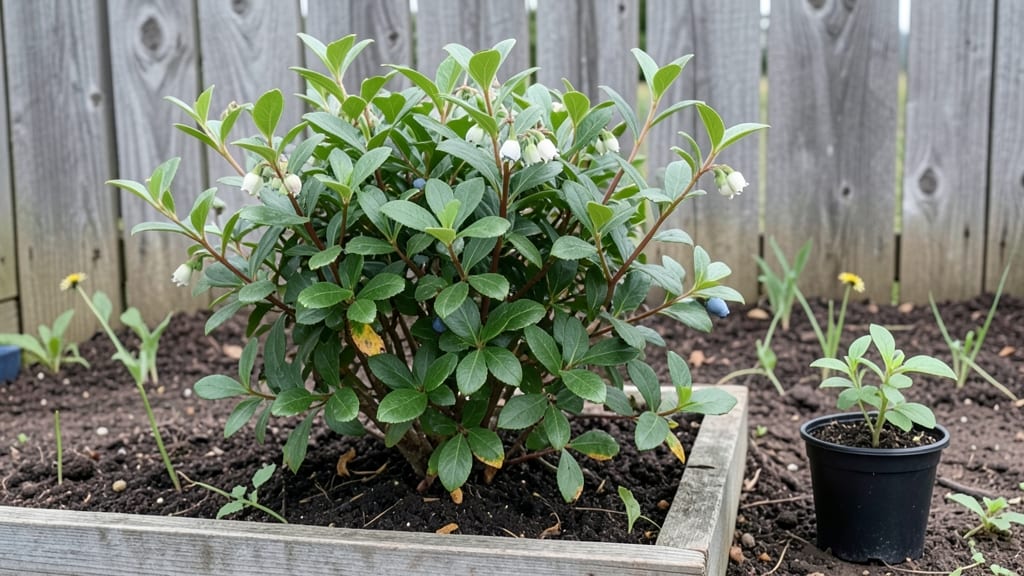
Mastering the blueberry bush planting requirements turns a $30 shrub into a decade-long harvest machine—though my first attempt flopped when I ignored soil pH. 🌿 The secret isn't just sunlight (though they need 6-10 hours daily), but acidic soil that mimics their natural bog habitat.
You'll need well-draining soil with a pH between 4.5 and 5.5—think pine needles and peat moss, not compost from your yard. Most garden soil is too alkaline, so test it first.
For spacing, give each bush 5-6 feet of room unless you're growing dwarf varieties, and plant them shallow—just 2 inches deeper than their root ball. Mulch heavily with pine straw to keep roots cool and acidic.
Watering is where most gardeners mess up: blueberries hate soggy roots but also dry spells. Keep the soil moist but not waterlogged for the first year, then taper off slightly. By summer, you'll see new growth that's vibrant green and glossy—that's your sign they're happy.
The first harvest might take 2-3 years, but once established, these bushes outproduce anything from a grocery store.
Cold-hardy varieties like 'Bluecrop' or 'Patriot' handle zones 3-7, while 'Southern Highbush' thrives in warmer climates. The biggest mistake? Skipping the pH test or planting in clay soil.
Trust me, your future self will thank you when you're picking berries in July instead of staring at sad-looking bushes. Let's get those roots in the ground!
📚 In This Guide
- What you need
- Instructions
- Tips and common mistakes
- Wrapping up and next steps
What you need
- ● Blueberry plants: 2–4 bushes (choose southern-highbush, northern-highbush, or rabbiteye varieties based on your climate zone).
- ● Well-draining soil: Mix of peat moss, compost, and sand (1 part each). Aim for pH 4.5–5.5 (test kits available at garden centers).
- ● Organic mulch: Pine needles or wood chips (2–3 inches thick) to retain moisture and acidify soil.
- ● Fertilizer: Acid-loving plant fertilizer (e.g., 10-10-10 or cottonseed meal) or iron sulfate for pH adjustment.
- ● Garden trowel or shovel (for digging holes).
- ● Pruning shears (sterilized with rubbing alcohol).
- ● Garden hose or watering can (deep watering required).
- ● Gloves (to protect hands from thorns and soil).
- ○ pH testing kit (optional but highly recommended for accuracy).
- ● Sunlight: 6+ hours of full sun daily (partial shade in hot climates).
- ● Spacing: Plant bushes 4–6 feet apart (allows airflow and growth).
- ● Water access: Consistent moisture (1–2 inches per week; drought-tolerant once established).
- ● Cross-pollination: Plant at least 2 bushes of compatible varieties for fruit set.
Step-by-Step guide to planting blueberry bushes for a bountiful harvest
Here's how to plant blueberry bushes so they thrive—no guesswork, just proven techniques for sweet, abundant fruit.
🌱 Step 1: Choose the Right Location and Soil
Blueberries demand full sun—at least 6-8 hours daily—and acidic soil with a pH between 4.5 and 5.5. Test your soil first; if it’s alkaline, amend it with 2-3 pounds of sulfur per 100 square feet a few months before planting. I dig a hole twice as wide as the root ball but only as deep—planting too deep suffocates the roots.
Mix the native soil with 3 gallons of peat moss (or pine bark fines) into the hole to create a perfect acidic environment. Blueberries hate competition, so space bushes 5-6 feet apart in rows 8-10 feet apart for airflow. If you’re planting more than one, include both southern highbush and northern highbush varieties for cross-pollination—this doubles your harvest potential.
💧 Step 2: Plant at the Correct Depth and Water Thoroughly
Gently remove the bush from its container and loosen any circling roots with your fingers—this prevents girdling as the plant matures. Place it in the hole so the top of the root ball sits 1-2 inches above ground level. Southern highbush varieties need slightly higher placement to protect them from frost heave.
Backfill with the amended soil, tamping lightly as you go to eliminate air pockets. Water deeply immediately after planting—this settles the soil and removes air gaps. Keep the soil consistently moist but never soggy for the first 4-6 weeks. You’ll know you’ve got it right when the soil feels like a damp sponge, not a muddy mess.
☀️ Step 3: Mulch and Protect for Optimal Growth
Spread 3-4 inches of pine bark mulch (not wood chips) around the base, keeping it 3 inches away from the stem to prevent rot. Mulch retains moisture, regulates soil temperature, and slowly acidifies the soil over time. Avoid organic mulches like straw—they raise pH and attract pests.
Install a drip irrigation system or soaker hose for even watering. Blueberries are shallow-rooted, so surface watering leads to uneven moisture and weak fruit. Run the system for 10-15 minutes every other day during the first growing season, then adjust based on rainfall. Watch for yellowing leaves—this often signals overwatering or poor drainage.
✂️ Step 4: Prune and Fertilize for Long-Term Health
Prune in late winter or early spring before new growth begins. Remove dead, diseased, or crossing branches, then cut back the oldest canes by one-third to encourage new, productive wood. Southern highbush varieties need lighter pruning—just shape them to maintain an open center. You’ll see stronger growth and more berries within a season if you prune correctly.
Fertilize in early spring with a balanced, slow-release fertilizer (10-10-10) at ½ pound per 100 square feet. Follow up in mid-summer with an acid-loving plant fertilizer (like 8-3-9 with magnesium) to replenish nutrients. Avoid high-nitrogen fertilizers—they boost foliage but reduce fruit production. Monitor for small, hard berries—this is a sign of calcium deficiency, which responds to 1 tablespoon of gypsum per bush applied to the soil surface.
⏰ Step 5: Monitor and Adjust for Peak Productivity
Blueberries take 2-3 years to bear fruit, but proper care now ensures a lifetime of harvests. Check soil pH annually—aim for 4.8-5.2. If it drifts above 5.5, amend with elemental sulfur (½ pound per bush) in early spring. Watch for bird damage—install netting once flowers appear to protect your crop.
Harvest when berries easily detach from the stem and turn a deep blue color. Pick in morning hours when they’re coolest to preserve flavor. You’ll know you’ve done everything right when your bushes produce pounds of fruit per plant—and the birds leave a few for you to enjoy.
Tips & tricks for perfect blueberry bush planting
These game-changing insights will help you avoid common pitfalls and maximize your blueberry harvest from day one.
Soil pH Precision: That 4.5-5.5 pH range in Step 1 is non-negotiable—blueberries simply won't thrive outside these parameters. I've seen gardeners spend months troubleshooting poor growth only to discover their soil was just slightly too alkaline. Test your soil annually after planting, and don't hesitate to apply that ½ pound of elemental sulfur per bush if the pH creeps above 5.5. The difference in fruit production is dramatic.
Root Ball Handling: When loosening circling roots in Step 2, be gentle but thorough—these roots are delicate and can easily break. I use my fingers to carefully tease them apart, working from the outside in. This prevents girdling that can strangle your bush as it grows. For container-grown plants, soak the root ball for 10-15 minutes before planting to reduce transplant shock.
Mulching Strategy: That 3-4 inch layer of pine bark mulch in Step 3 serves three critical purposes: moisture retention, temperature regulation, and gradual acidification. The key is keeping it 3 inches away from the stem—this prevents rot while still protecting the roots. I recommend refreshing the mulch annually in early spring to maintain its effectiveness throughout the growing season.
Watering Wisdom: The 10-15 minute irrigation in Step 3 should deliver about 1 inch of water—enough to moisten the soil to a depth of 6 inches. Use a rain gauge to measure if needed. Yellowing leaves often signal overwatering, but don't wait until you see this—consistent moisture is more important than daily watering. A moisture meter inserted 2-3 inches deep will give you precise readings.
Pro Tips for Blueberry Bush Planting Requirements
- These game-changing insights will help you avoid common pitfalls and maximize your blueberry harvest from day one.
- Soil pH Precision: That 4.5-5.5 pH range in Step 1 is non-negotiable—blueberries simply won't thrive outside these parameters.
- Root Ball Handling: When loosening circling roots in Step 2, be gentle but thorough—these roots are delicate and can easily break.
Frequently asked questions
When is the best time to plant blueberry bushes?
The ideal time to plant blueberry bushes is in early spring (after the last frost) or fall (4-6 weeks before the first frost). This gives roots time to establish before extreme temperatures. Avoid planting in summer heat or freezing winter conditions—roots need stability!
Do blueberry bushes need acidic soil? How do I test it?
Yes! Blueberries thrive in acidic soil (pH 4.5–5.5). Test your soil with a home pH kit or send a sample to your local extension office. If your soil is too alkaline, amend it with peat moss, sulfur, or pine needles before planting.
Can I plant blueberry bushes in containers? What’s the best setup?
Containers work well for dwarf or semi-dwarf varieties. Use a large pot (at least 18–24 inches deep) with acidic potting mix (like a 50/50 blend of peat moss and pine bark). Add slow-release fertilizer and ensure proper drainage. Place in full sun and water consistently!
How do I protect my blueberry bushes in winter?
Blueberries are hardy but benefit from mulch (3–4 inches of pine straw or wood chips) to insulate roots. In extreme cold zones (below Zone 5), wrap the bush with burlap or frost cloth after the ground freezes. Avoid heavy mulch in spring—remove excess to prevent rot as temps warm.
Why aren’t my blueberry bushes producing berries? Troubleshooting tips.
No berries? Check these common issues:
- Age: Bushes need 2–3 years to mature and fruit.
- Pollination: Most varieties are self-pollinating, but planting two different types nearby can boost yields.
- Soil pH: Test and adjust if above 5.5—berries won’t develop properly.
- Pruning: Over-pruning or cutting old wood can reduce fruit. Focus on removing dead/diseased branches in late winter.
If problems persist, check for pests (birds, aphids) or fungal diseases (like mummy berry) and treat accordingly.
Wrapping up and next steps
Planting a blueberry bush is a rewarding journey that starts with the right soil, location, and care—and you’ve got all the secrets to success!
Whether you’re a beginner or a seasoned gardener, choosing the perfect sunny spot, acidic soil, and proper spacing sets the stage for a bountiful harvest year after year. 🌱✨
Now that you’re armed with the knowledge, it’s time to roll up your sleeves and get planting. Start by picking your healthiest plants, prepping the soil, and giving your blueberry bushes the love they deserve. Before you know it, you’ll be enjoying fresh, juicy berries straight from your garden!