
Pruning
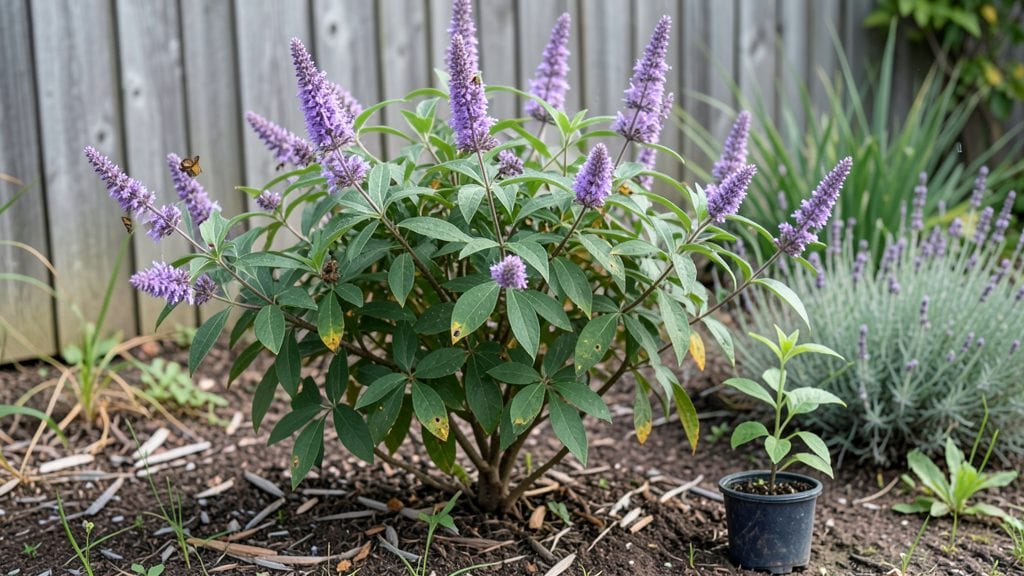
The secret to effortless butterfly bush planting and care lies in choosing the right spot, a little soil prep, and letting nature do the rest—watch your yard become a pollinator paradise. 🌿 smart pruning.
Most people overlook how adaptable these shrubs are, but once you plant one, you’ll wonder why you didn’t have more years ago.
The key starts with soil that drains well—clay-heavy ground? Amend it with compost or sand. Give it 6+ hours of sun daily, and water deeply but infrequently after the first year.
Unlike fussy plants, butterfly bushes thrive on neglect once established, and their fragrant blooms keep butterflies, bees, and hummingbirds visiting from spring through fall.
Pruning isn’t just about shaping—it’s about next year’s blooms. Cut back one-third of the oldest stems in late winter or early spring, and watch new growth explode with flowers.
The first year might feel slow, but by summer, your bush will be covered in purple, pink, or white blooms, making every pruning session worth it.
Works in borders, foundations, or even containers—just avoid planting too close to sidewalks, because those roots spread wider than you’d think. Let’s get yours growing!
📚 In This Guide
- What you need
- Instructions
- Tips and common mistakes
- Wrapping up and next steps
What you need
- ● Butterfly bush plants: 1-3 bare-root or potted plants (choose Buddleia varieties like 'Lo & Behold Purple Smoke' or 'Pink Delight').
- ● Well-draining soil: Mix 1 part native soil with 1 part compost (or use pre-mixed garden soil with perlite for sandy areas).
- ● Organic mulch: 2-3 inches of shredded bark, pine straw, or wood chips (helps retain moisture and suppress weeds).
- ● Slow-release fertilizer: 10-10-10 or 5-10-10 (apply once at planting time).
- ● Watering can or hose: With a gentle spray nozzle (butterfly bushes hate soggy roots!).
- ● Garden trowel or shovel (for digging holes).
- ● Pruning shears (sterilized with rubbing alcohol).
- ● Gloves (to protect hands from thorns or rough bark).
- ● Measuring tape or ruler (to ensure proper spacing).
- ○ Stakes or plant supports (optional)—if planting in windy areas.
- ● Sunlight: A full-sun location (6+ hours of direct sunlight daily).
- ● Spacing: Plant bushes 3-6 feet apart (depending on variety and mature size).
- ● Drainage: Avoid low-lying areas where water pools (butterfly bushes hate wet feet!).
- ● Local regulations: Check if your area restricts Buddleia davidii (some states consider it invasive—opt for sterile hybrids like 'Lo & Behold' if needed).
Step-by-Step instructions for planting and caring for butterfly bushes
Here's the straightforward approach I've used to keep these pollinator powerhouses thriving for years.
🌱 Step 1: Choose the Perfect Planting Spot
Butterfly bushes love sun—give them full sun to partial shade (at least 6 hours of direct sunlight daily). I always pick the sunniest spot in my yard because these plants reward generous light with nonstop blooms. The soil should drain well; if yours is heavy clay, amend with 2-3 inches of compost mixed into the top 12 inches of soil.
Dig a hole twice as wide as the root ball but only as deep—planting too deep suffocates the roots. Loosen the edges of the root ball gently with your fingers to encourage outward growth. This is where you set the foundation for years of pollinator traffic.
🪴 Step 2: Plant and Water Thoroughly
Place the butterfly bush in the hole and backfill with native soil, tamping lightly every 2 inches to remove air pockets. Water immediately after planting to settle the soil and eliminate gaps. You'll want 1 gallon of water per plant—enough to soak through the root zone.
Mulch around the base with 2-3 inches of organic mulch (like shredded bark), keeping it 6 inches away from the trunk to prevent rot. This helps retain moisture and keeps roots cool during summer heat. Avoid thick mulch layers—too much suffocates the plant.
☀️ Step 3: Feed for Blooms and Pollinator Power
In early spring, apply a balanced, slow-release fertilizer (10-10-10 ratio) following package instructions. I use about 1/4 cup per plant scattered around the drip line. This gives your butterfly bush the nutrients it needs for vigorous growth and abundant flowers that attract butterflies year-round.
Skip summer fertilizing—too much nitrogen now encourages leafy growth at the expense of flowers. Instead, side-dress with 1/2 cup compost in late summer to support root health for next year's blooms. Watch for those first flush of flowers in early summer—that's your signal the plant is happy.
✂️ Step 4: Prune for Shape and Seasonal Health
Prune in late winter or early spring before new growth begins. Cut back 1/3 of the oldest stems to the ground to encourage fresh, vigorous growth from the base. This also prevents the plant from becoming woody and leggy over time. I always sterilize my pruners with rubbing alcohol between cuts to prevent disease spread.
Deadhead spent blooms in summer to encourage continuous flowering. You'll notice new buds forming within 2-3 weeks of removing faded flowers. Avoid heavy pruning after mid-summer—this can reduce next year's early blooms. A light trim to shape keeps the plant looking tidy without sacrificing pollinator appeal.
💧 Step 5: Water Wisely for Drought Tolerance
Water deeply once weekly during the first growing season to establish roots. Once established, butterfly bushes are remarkably drought-tolerant—water only when the soil feels dry 2-3 inches below the surface. I check by sticking my finger in the soil; if it's dry at that depth, it's time to water.
Overwatering is the real danger—soggy soil leads to root rot and weak stems. If your area gets heavy rain, skip watering for that week. The plant's natural resilience will keep it thriving with minimal fuss. You'll see strong, upright growth as a sign you're watering just right.
Tips & tricks for perfect butterfly bush planting
Here's what I've learned after years of growing these pollinator magnets—simple tricks that make all the difference between a struggling plant and one that thrives.
Sunlight Secret: Those 6 hours of sunlight are non-negotiable, but here's the thing: morning sun is more forgiving than afternoon heat. If your yard has intense afternoon sun, consider partial shade in the hottest regions. I've seen plants in full sun wither during heatwaves, while those with morning sun and afternoon shade bounce back beautifully.
Root Ball Rescue: When loosening the root ball in Step 1, don't just poke at the edges—gently separate the roots with your fingers. This encourages outward growth rather than keeping roots circling in a tight ball. I've seen plants that never fully established because the roots stayed compacted. Think of it like untangling a garden hose—give those roots room to spread!
Watering Wisdom: That gallon of water in Step 2 should go deep, not just splash around the surface. I use a garden hose with a slow setting to let the water penetrate gradually. You'll know you've done it right when water appears at the bottom of the hole—this ensures the roots get properly hydrated. And remember, the 2-3 inch soil check is your best friend for ongoing watering decisions.
Pruning Pro Tip: When cutting back 1/3 of the oldest stems in Step 4, look for the thickest, woody stems—they're the ones that need removing. I always make clean cuts just above a bud or leaf node. This isn't just about looks; it's about forcing new growth from the base. I've seen butterfly bushes become leggy and sparse when I didn't do this annual refresh.
Pro Tips for Butterfly Bush Planting And Care
- Here's what I've learned after years of growing these pollinator magnets—simple tricks that make all the difference between a struggling plant and one that thrives.
- Sunlight Secret: Those 6 hours of sunlight are non-negotiable, but here's the thing: morning sun is more forgiving than afternoon heat.
- Root Ball Rescue: When loosening the root ball in Step 1, don't just poke at the edges—gently separate the roots with your fingers.
Frequently asked questions
Got questions about keeping your butterfly bush thriving? We’ve got answers!
Here are the most common queries from gardeners—whether you're a newbie or a seasoned pro.
When is the best time to plant a butterfly bush?
Plant your butterfly bush in early spring or fall when temperatures are mild (50–70°F). This gives roots time to establish before extreme heat or cold. Avoid planting in summer—it can stress the plant, especially in hot climates.
How much sun does a butterfly bush need?
Butterfly bushes thrive in full sun (6+ hours daily) but tolerate partial shade (4–6 hours). In hot climates, afternoon shade prevents wilting. Too little sun? Expect fewer blooms and leggy growth. Pro tip: Monitor leaf color—yellowing hints at sunburn or insufficient light!
Why isn’t my butterfly bush blooming?
Lack of blooms often stems from over-pruning (cutting back too late in spring) or poor nutrition. Feed with a balanced fertilizer in early spring, and prune right after flowering (late summer/fall) to encourage next year’s buds. Deadheading spent blooms can also extend the season!
Are butterfly bushes invasive? What are non-invasive alternatives?
Some varieties (like Buddleia davidii) can spread aggressively. For milder options, try dwarf butterfly bushes (e.g., ‘Lo & Behold’) or native alternatives like coneflowers (Echinacea) or bee balm (Monarda). Always check local regulations—some states restrict butterfly bush planting!
How often should I water a butterfly bush?
Water deeply 1–2 times per week in the first year to establish roots, then reduce to once a week (or when soil is dry 2" down). Overwatering causes root rot—ensure well-draining soil! Mulch around the base to retain moisture and suppress weeds. Drought-tolerant once established!
Do butterfly bushes attract pests?
While they’re a pollinator magnet, butterfly bushes are low-maintenance and rarely plagued by pests. Watch for aphids or spider mites (common in dry heat)—blast off with water or use insecticidal soap. Deer usually avoid them, but rabbits might nibble young plants. Pro tip: Plant near herbs like lavender to deter pests naturally!
Wrapping up and next steps
Planting and caring for a butterfly bush is a rewarding way to transform your garden into a buzzing, fluttering paradise with minimal effort! 🌸 With the right location, soil, and seasonal attention, this hardy shrub will thrive while attracting pollinators year-round.
Whether you’re a beginner or a seasoned gardener, the key is consistency and confidence—your garden (and the butterflies!) will thank you.
Ready to take the next step? Grab your pruners, mark your calendar for late winter or early spring, and get pruning! Or, if you’re feeling inspired, explore our guide on butterfly-friendly companion plants to create an even more vibrant ecosystem. Happy gardening!