
Transplanting
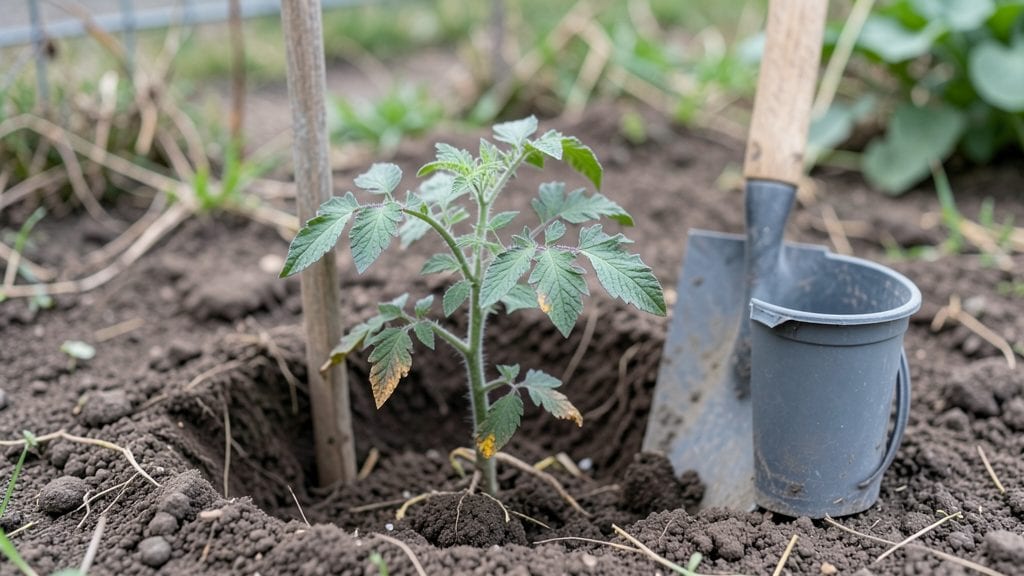
When your tomato plant stopped growing after transplant, the first thing to check is the roots—because that’s where the real story begins. 🌱 I’ve seen this happen more than I’d like to admit, and the fix usually starts with a simple inspection of what’s underground.
Most gardeners blame the weather or soil, but the truth is often hidden in the roots’ condition.
The most common culprits are transplant shock, root damage, or sudden environmental changes. If the roots look dry, brittle, or circling tightly, they’re struggling to absorb water and nutrients. Even a slight delay in adjusting to sunlight or moisture can stall growth.
The good news? With the right care, you can nurse it back to health in just 3 days—sometimes even faster.
Start by giving it a deep drink of water, then shield it from harsh afternoon sun while it recovers. A gentle dose of diluted fertilizer (like fish emulsion) can also jumpstart growth.
Within days, you’ll see new leaves pushing out, and your plant will be on its way to producing that heirloom-sized harvest you planted for.
For next time, harden off seedlings properly and transplant on a cloudy day to minimize stress. Prevention is easier than fixing a stalled plant—but now you’ve got the tools to bring it back to life. Let’s get those roots growing again!
Root of the Problem: Why Growth Stalls
When your tomato plant freezes after transplanting, the culprit is almost always tied to stress or damage during the move—or conditions that prevent it from recovering. Below are the most common reasons, broken down with science-backed explanations so you can diagnose (and fix!) the issue fast.
Transplanting is like a mini-surgery for plants: roots get trimmed, cells rupture, and the plant loses its protective soil barrier. Even with care, this physical stress can trigger a growth pause as the plant diverts energy to healing.
- Root Pruning Gone Wrong: If roots were cut too aggressively (especially fibrous roots), the plant loses its ability to absorb water and nutrients efficiently.
A healthy root system can regenerate in 3–7 days, but severe damage may delay growth for weeks. - Soil Disruption: Disturbing the root zone—even gently—can cause oxidative stress (cell damage from exposure to air).
This is why some gardeners see wilting or yellowing leaves post-transplant. - Transplant Shock Symptoms: - Leaves droop but don’t wilt completely (a sign of water stress). - New growth halts for 2–5 days (normal) or longer (problematic). - Stems feel soft or mushy (a sign of root rot starting).
Pro Tip: 💡 Water deeply before transplanting to encourage roots to stay hydrated during the move. Use a root stimulator (like mycorrhizal fungi or seaweed extract) to jumpstart recovery.
Tomatoes are 95% water by weight, and transplanting throws their hydration balance off-kilter. Both overwatering and underwatering can stall growth by causing root suffocation or dehydration.
- Overwatering Risks:
- Compacted soil (from heavy watering) cuts off oxygen to roots, leading to anaerobic conditions (roots "drown").
- Fungal infections (like Pythium or Phytophthora) thrive in soggy soil, rotting roots and blocking nutrient uptake.
- Signs: Yellow lower leaves, mushy stems, or a foul smell at the base.
- Underwatering Risks:
- Roots dry out and curl inward, reducing surface area for water absorption.
- The plant goes into survival mode, prioritizing leaf retention over new growth.
- Signs: Crispy leaf edges, wilting despite watering, or a "shocked" appearance.
Fix It Fast: ✅ Check soil moisture by sticking your finger 2 inches deep—if dry, water slowly until it drains from the bottom. If soggy, hold off until the top 1–2 inches feel dry. ✅ Use mulch (straw or shredded leaves) to retain moisture and regulate soil temperature.
Tomatoes are sensitive to temperature swings and harsh elements. Post-transplant, they’re vulnerable to: - Extreme Heat: Temperatures above 90°F (32°C) cause protein denaturation in leaves, halting photosynthesis.
Growth resumes only when temps drop. - Cold Shock: Night temps below 50°F (10°C) can trigger chilling injury, where cell membranes leak, and the plant conserves energy. - Wind Burn: Fast-moving air desiccates leaves, forcing the plant to allocate energy to repair instead of growing.
Symptoms to Watch For:
- Sunburn: White or brown patches on leaves (like a tomato plant with a sunburn).
- Stunted New Growth: Buds fail to open, or stems grow spindly and weak.
- Curling Leaves: A defensive response to stress, reducing water loss at the cost of growth.
Quick Solutions: 🌡️ Shade cloth (30–50%) for the first 3–5 days if temps exceed 85°F (29°C). 🌬️ Windbreaks (like a temporary fence or even a cardboard barrier) protect young plants. ⏰ Transplant timing: Aim for morning or evening to avoid midday heat stress.
Tomatoes are heavy feeders, and transplanting can deplete their nutrient reserves. If the new soil lacks key elements, growth grinds to a halt.
| Deficiency | Symptoms | Quick Fix |
|---|---|---|
| Nitrogen (N) | Yellow lower leaves, stunted stems | Side-dress with compost or fish emulsion |
| Phosphorus (P) | Dark green/purple stems, weak roots | Add bone meal or rock phosphate |
| Potassium (K) | Yellow edges on older leaves, weak | Use potassium sulfate or banana peel tea |
| Magnesium (Mg) | Yellow patches between leaf veins | Spray with Epsom salt solution (1 tbsp/gal) |
Pro Tip: 🔥 Test your soil before transplanting! A simple DIY test kit (or lab test) can reveal deficiencies. If you’re in a hurry, use a balanced fertilizer (10-10-10) at half strength to avoid burning roots.
Even if your tomato looks healthy, hidden pests or diseases can drain its energy, causing stunted growth.
Common culprits: - Aphids/Spider Mites: Suck sap, weakening the plant’s ability to photosynthesize. - Root-Knot Nematodes: Microscopic worms that gall roots, reducing water/nutrient uptake. - Early Blight/Fungal Spots: Block sunlight and clog stomata, slowing growth.
How to Spot Them:
- Sticky leaves (aphid honeydew) or fine webbing (spider mites).
- Gnarled, lumpy roots (nematodes).
- Brown spots with yellow halos (fungal infection).
Act Now: 🦟 Neem oil spray (for pests) or copper fungicide (for early blight). 🔍 Inspect roots when transplanting—rinse off soil to check for damage.
Not all soil is created equal. If your transplant site has compacted, rocky, or nutrient-poor soil, roots struggle to establish, and growth stalls.
- Compacted Soil: Roots can’t spread, leading to oxygen starvation and poor drainage.
- High Clay Content: Holds too much water, suffocating roots.
- Sandy Soil: Drains too fast, preventing roots from anchoring.
Soil Savers: 🌱 Amend with compost (1 part compost to 2 parts soil) for structure and nutrients. 💧 Add perlite or vermiculite to improve drainage in heavy clay. 🌿 Mulch heavily (3–4 inches) to protect roots from temperature swings.
Key Takeaway: Most stunted growth after transplanting is fixable within 3 days if you address the root cause (pun intended!). Start with water, stress relief, and a nutrient boost—your tomato will bounce back faster than you think. 🚀
Revive Your Tomato Plant Now
When your tomato plant hits the brakes after transplanting, the good news is that most issues are fixable—often in just 3 days if you act fast.
Below, we’ll break down the most common causes of stunted growth and how to reverse them, plus prevention tips to keep your plants thriving long-term.
Cause: Root disturbance or sudden environmental changes (like wind, temperature swings, or over/under-watering) can shock your plant.
How to Fix It:
- 💧 Hydrate Gently – Water deeply at the base (not the leaves) to rehydrate roots. Use lukewarm water to avoid further stress.
- 🌡️ Stabilize Conditions – Move the plant to a sheltered spot for 2–3 days, protecting it from direct sun, wind, or cold drafts.
- 🌱 Support Weak Stems – If stems are floppy, stake or cage the plant immediately to prevent breakage.
- 🌿 Fertilize Lightly – Wait 5–7 days before adding fertilizer. Use a balanced, water-soluble fertilizer (like 10-10-10) diluted to half-strength.
Prevention Tips: ✔ Hardening Off – Acclimate seedlings to outdoor conditions 7–10 days before transplanting by gradually exposing them to sun/wind. ✔ Transplant at the Right Time – Do it on a cool, cloudy day or in the early morning/evening to minimize stress. ✔ Keep Soil Moist – Water the day before and after transplanting to reduce root trauma.
Cause: Compacted, nutrient-poor, or improperly amended soil can starve roots, halting growth.
How to Fix It:
- 🔪 Loosen the Soil – Gently fork around the base (1–2 inches deep) to aerate roots without damaging them.
- 🌱 Boost Organic Matter – Mix in compost or worm castings (1 part to 3 parts soil) for slow-release nutrients.
- 💪 Fertilize Strategically –
- First 2 weeks: Use a low-nitrogen fertilizer (like 5-10-10) to encourage root recovery.
- After 2 weeks: Switch to a tomato-specific fertilizer (high in phosphorus/potassium, like 7-9-5).
- 💧 Mulch Thickly – Apply 2–3 inches of straw or grass clippings to retain moisture and regulate soil temp.
Prevention Tips: ✔ Test Your Soil – Aim for a pH of 6.0–6.8 (use lime to raise pH or sulfur to lower it if needed). ✔ Amend Before Planting – Work in aged compost or balanced fertilizer (like 10-10-10) at planting time. ✔ Avoid Over-Fertilizing – Too much nitrogen = leafy growth, no fruit. Follow package rates!
Cause: Roots suffocate in soggy soil or dry out in parched conditions, both causing growth to stall.
How to Fix It:
| Issue | Signs | Solution |
|---|---|---|
| Overwatering | Yellowing leaves, mushy stems | Let soil dry slightly between waterings. Improve drainage with perlite/sand. |
| Underwatering | Wilting, crispy leaf edges | Water deeply every 1–2 inches of soil loss (check with your finger). |
| Inconsistent Watering | Stunted growth, leaf drop | Stick to a schedule (e.g., morning watering) and mulch to retain moisture. |
Prevention Tips: 💡 Water at the Base – Avoid wetting leaves to prevent disease. 🌡️ Monitor Soil Temp – Roots struggle in <50°F or >90°F soil. Use black plastic mulch in cold climates. ⏰ Morning Watering Wins – Reduces evaporation and fungal risks.
Cause: Hidden pests (like aphids, spider mites) or fungal infections (early blight, damping-off) can drain energy from your plant.
How to Fix It:
- 🔍 Scout for Pests – Check undersides of leaves for tiny bugs, webbing, or sticky residue (honeydew).
- 🐜 Treat Infestations:
- Neem oil spray (1 tsp + 1 qt water + drop of dish soap) – spray every 5–7 days.
- Insecticidal soap for soft-bodied pests (aphids, mites).
- Introduce beneficial insects (ladybugs, lacewings) for long-term control.
- 🐜 Treat Infestations:
- 🍄 Fight Fungal Issues:
- Prune infected leaves (sterilize shears with rubbing alcohol).
- Apply copper fungicide or baking soda spray (1 tsp baking soda + 1 qt water + drop of soap).
- Improve airflow by spacing plants 18–24 inches apart.
Prevention Tips: ✔ Rotate Crops – Don’t plant tomatoes in the same spot yearly. ✔ Solarize Soil – Cover soil with clear plastic for 4–6 weeks before planting to kill pathogens. ✔ Avoid Overhead Watering – Use drip irrigation to keep foliage dry.
- 🌱 Root Bound? – If roots are circling the pot, gently tease them out before replanting. - 🌡️ Temperature Shock? – Tomatoes need night temps >55°F.
Use a cloche or row cover if nights dip. - 🚫 Chemical Damage? – If you recently used herbicides or strong pesticides, flush the soil with water.
Pro Tip: 🌟 Patience is Key – Some plants take 5–7 days to bounce back. Monitor daily and adjust care as needed!
By tackling the root cause (literally!) and following these steps, your tomato plant should perk up in days—and you’ll be on your way to a bountiful harvest! 🍅🌱
Frequently asked questions
Why did my tomato plant stop growing right after transplanting?
Transplant shock is the most likely culprit. Roots get damaged during the move, and the plant diverts energy to healing instead of growing. Check for wilting leaves, yellowing, or mushy stems—these are classic signs. Give it time (usually 3–7 days) and keep soil consistently moist while protecting it from harsh conditions.
How can I tell if my tomato plant has root damage?
Gently dig around the base and rinse off the soil. Healthy roots are white or light tan with fine hairs. If you see black, mushy roots or circling roots (from being pot-bound), that’s a red flag. Prune any damaged roots with clean scissors, then replant in fresh, well-draining soil.
Will fertilizing help a tomato plant that stopped growing after transplant?
Not right away—wait 5–7 days to let roots recover. Once it’s stable, use a balanced fertilizer (10-10-10) at half strength. Avoid high-nitrogen fertilizers early on, as they encourage leafy growth but delay fruit production. Focus on phosphorus and potassium for root and flower development.
Can I save a tomato plant that’s been stalled for over a week?
Yes, but act fast! Prune any yellow or damaged leaves, check for pests/disease, and adjust watering (soil should stay evenly moist, not soggy). Move it to a sheltered spot with 6–8 hours of sunlight daily and use a root stimulator (like seaweed extract) to encourage regrowth. Most plants bounce back within 2 weeks.
Should I transplant tomatoes in full sun or partial shade?
Full sun (6–8 hours daily) is ideal, but newly transplanted tomatoes need shade for the first 3–5 days to recover. Use shade cloth (30–50%) if temps exceed 85°F (29°C). After that, gradually reintroduce full sun to avoid sunburn on tender leaves.