Plants
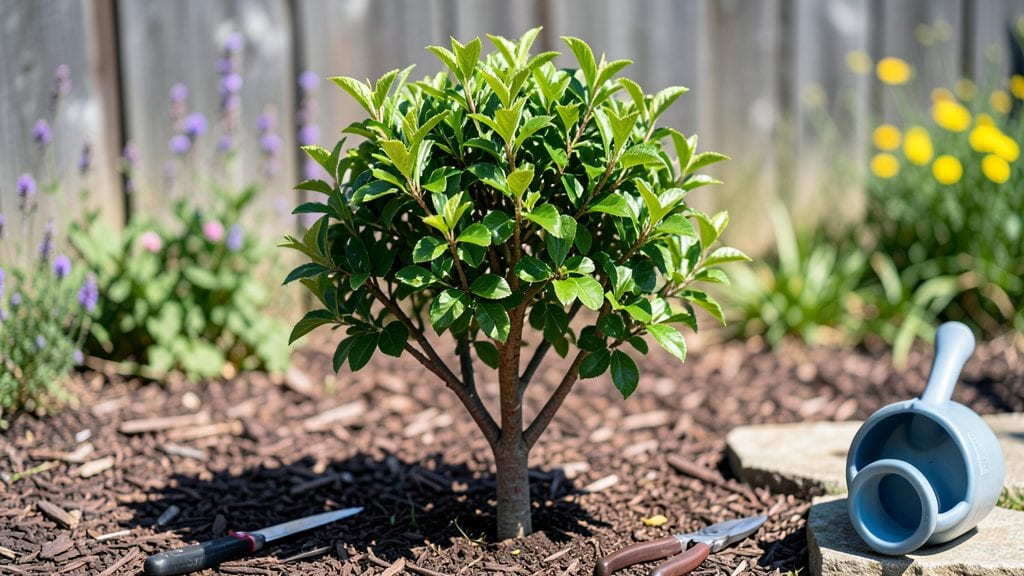
Growing a small peach plant starts with the right dwarf variety—one that fits your patio or tiny yard without sacrificing fruit production. 🌱 I’ve nurtured these compact trees for years, and the secret lies in matching the plant to your space while giving it just enough care to thrive.
The right soil, sunlight, and pruning can turn a 3-foot sapling into a productive tree that bears fruit within 2-3 years.
You’ll need well-draining soil mixed with compost, a spot with 6-8 hours of full sun daily, and a watering schedule that keeps the roots moist but never soggy.
Dwarf peach trees are cold-sensitive, so if you’re in Zone 5 or colder, choose a variety like ‘Bonanza’ or ‘Sugar Baby’—they handle brief chills better than standard types. Most beginners overwater or prune too late, so we’ll tackle those mistakes head-on.
By summer’s end, you’ll see lush green leaves and the first signs of blossoms. The fruit might be small at first, but with consistent care, you’ll harvest sweet, juicy peaches that taste better than anything from the store.
The key is patience—these trees take a little time to establish, but the payoff is worth it.
Works in containers or in-ground, even on balconies with the right pot. Let’s get your peach tree growing strong from day one—here’s exactly how to do it right.
📚 In This Guide
- What you need
- Instructions
- Tips and common mistakes
- Wrapping up and next steps
What you need
- ● Peach dwarf variety plant (e.g., Bonanza, Redhaven, or Elberta—check local nurseries for cold-hardy options).
- ● Well-draining potting mix (5–10 gallons, depending on container size) or loamy garden soil (amended with compost).
- ● Container or raised bed (at least 15–20 gallons for dwarf varieties; 18–24" deep with drainage holes).
- ● Organic fertilizer (balanced 10-10-10 or citrus-specific blend for flowering).
- ● Mulch (straw, wood chips, or pine bark to retain moisture and regulate soil temp).
- ● Pruning shears (sterilized, sharp blades for clean cuts).
- ● Watering can or hose with gentle spray nozzle (avoid wetting leaves to prevent disease).
- ● Gloves (gardening or nitrile for protection).
- ● pH test kit (ideal soil pH: 6.0–6.5; adjust with lime or sulfur if needed).
- ○ Drip irrigation system (optional but helpful for consistent moisture).
- ● Frost cloth (for young plants in chilly climates).
- ● Pollination aid (small paintbrush to hand-pollinate if bees are scarce).
- ● Support stake or trellis (for varieties prone to heavy fruit; 4–6 ft tall).
Step-by-step instructions for growing a compact peach tree
Here’s how to nurture a dwarf peach tree into a thriving small-space fruit producer.
🌱 Step 1: Select and Prepare the Right Location
Choose a spot that gets at least 6-8 hours of direct sunlight daily—peaches are sun-worshippers. A south- or west-facing area works best, even in partial shade. If your yard lacks full sun, a large container on a sunny patio can work, but expect smaller fruit yields.
Dig a hole twice as wide as the root ball but only as deep as the container’s base. Loosen the soil around the edges to encourage root spread. Avoid planting in low spots where water pools—peach roots rot easily in soggy soil. If your soil drains poorly, mound the planting area slightly to improve drainage.
🪴 Step 2: Plant Your Dwarf Peach Tree Properly
Gently remove the tree from its container and tease the roots outward if they’re circling. Place it in the hole so the graft union (the bump near the base where the dwarf rootstock meets the peach scion) sits 2-3 inches above soil level. This prevents the tree from growing too tall and keeps the roots from suffocating.
Fill the hole with soil, pressing lightly to eliminate air pockets. Water deeply until the soil settles and the root ball is fully moistened. Mulch around the base with 2-3 inches of organic mulch, keeping it 6 inches away from the trunk to prevent rot. This helps retain moisture and regulates soil temperature.
☀️ Step 3: Provide Ongoing Care for Healthy Growth
Water your peach tree deeply once a week during the first growing season, allowing the soil to dry slightly between waterings. Overwatering leads to root rot, while underwatering causes stress and poor fruit set. You’ll know it’s time to water when the top 2 inches of soil feel dry.
Fertilize lightly in early spring with a balanced fruit tree fertilizer, following the package instructions. Avoid heavy nitrogen—it encourages leafy growth at the expense of fruit. Prune in late winter or early spring to remove dead wood and shape the tree, keeping branches open for airflow and sunlight penetration.
✂️ Step 4: Protect and Prune for Fruit Production
Peaches need protection from late frosts, which can damage blossoms. Cover the tree with frost cloth on chilly nights until flowers appear. Once blooms open, remove the cloth to allow pollinators access. Thin fruit when it’s golf-ball-sized to improve size and quality—leave 6-8 inches between fruits to prevent overcrowding.
Continue pruning throughout the season to remove suckers (shoots growing below the graft union) and any branches crossing the center. This keeps the tree compact and encourages better air circulation, reducing disease risk. Harvest peaches when they’re slightly soft to the touch and pull away easily from the branch—usually in late summer.
⏰ Step 5: Winterize for Next Year’s Fruit
In fall, reduce watering as temperatures drop, but keep the soil moist. Apply a 2-3 inch layer of mulch around the base to insulate roots from freezing. Prune again in late winter to remove any dead or diseased branches before new growth begins.
Dwarf peach trees are self-pollinating, but planting two varieties nearby can boost yields. With proper care, your compact tree will produce fruit for years, even in small spaces. Watch for peach leaf curl in spring—treat with fungicide at bud break if needed to keep your tree healthy.
Tips & tricks for growing a thriving compact peach tree
Between us, growing a dwarf peach tree isn't rocket science—but it does take some know-how to avoid common pitfalls. Here's what nobody tells you about keeping your compact peach tree happy and productive.
Sunlight Secret: That 6-8 hours of sunlight isn't just a suggestion—it's non-negotiable for peaches. I learned this the hard way after my first tree produced tiny, sour fruit in partial shade. If your space only gets 4-5 hours, consider a container on a sunny patio instead. South-facing windowsills work too, though yields will be smaller. Remember, peaches need full sun to develop sweet flavor and proper ripening.
Root Ball Reality: When planting, don't be tempted to bury the graft union deeper than those 2-3 inches above soil level. I once buried mine too deep, and my tree grew like a weed—completely ignoring its dwarfing rootstock! Keep that union visible above soil to maintain the compact growth habit. Also, tease those roots outward if they're circling—they'll spread better and establish faster.
Watering Wisdom: The "deeply once a week" rule is perfect for most climates, but your mileage may vary. I check soil moisture by sticking my finger 2 inches down—if it's dry, it's time to water. Overwatering is the #1 killer of peach trees, causing root rot that's nearly impossible to fix. In containers, you might need to water every 3-4 days since they dry out faster than in-ground plantings.
Pruning Pro Tip: Don't wait until you see dead branches to prune—act now! In late winter, remove any crossing branches and suckers (those shoots growing below the graft union) while they're still small. I make it a habit to prune in early spring too, just as blossoms start to form. This keeps your tree compact, improves airflow, and prevents disease. And remember, thinner fruit means bigger, sweeter peaches—don't skip that golf-ball-sized thinning step!
Pro Tips for Peach Small Plant
- Between us, growing a dwarf peach tree isn't rocket science—but it does take some know-how to avoid common pitfalls.
- Sunlight Secret: That 6-8 hours of sunlight isn't just a suggestion—it's non-negotiable for peaches.
- Root Ball Reality: When planting, don't be tempted to bury the graft union deeper than those 2-3 inches above soil level.
Frequently asked questions
Got questions about growing a peach small plant?
You’re not alone! Here are some of the most common concerns—and their answers—to help you cultivate a thriving mini peach tree with confidence.
How long does it take for a dwarf peach tree to bear fruit?
A compact peach tree typically starts producing fruit within 2–3 years of planting, though some varieties may take slightly longer. Patience is key—focus on proper care (sunlight, water, and soil) to speed up the process. Pro tip: Choose early-bearing dwarf varieties like ‘Bonanza’ or ‘Redhaven’ for faster rewards!
Can a small peach plant survive winter in cold climates?
Dwarf peach trees thrive in USDA Zones 5–9, but colder regions need protection. Mulch the base with straw or wood chips (3–4 inches deep) and wrap the trunk with burlap or tree guards. Young trees may need extra shelter—like a frost blanket—until established. Hardiness varies by variety: ‘Sanguine’ and ‘Reliance’ are cold-tolerant picks!
How often should I water a peach small plant?
Water deeply 1–2 times per week during the first year, ensuring the soil stays moist but not soggy. Once established, reduce to weekly watering (or more in extreme heat). Watch for: Wilting leaves (underwatering) or yellowing foliage (overwatering). Drip irrigation or soaker hoses work best to keep roots happy!
Why aren’t my peach tree’s leaves turning green?
Pale or yellow leaves often signal nutrient deficiencies (like nitrogen or iron) or pests (e.g., spider mites). Test your soil and amend with compost or a balanced fertilizer (10-10-10). Check the undersides of leaves for pests—neem oil spray can help if infested. Sunlight matters too: Ensure your tree gets 6–8 hours of direct sun daily!
Can I grow a peach tree in a container instead of the ground?
Dwarf peach trees thrive in containers (15–20 gallon pots) with well-draining soil. Use a mix of potting soil and perlite, and repot every 2–3 years for root health. Place the pot in a sunny spot and water consistently. Bonus: Containers make it easy to move your tree indoors during frost or extreme weather!
Wrapping up and next steps
Growing a peach small plant is a rewarding way to enjoy fresh fruit—even in limited spaces!
With the right dwarf variety, sunlight, and care, your patio or small yard can become a sweet little orchard. 🌱 Start by choosing a healthy plant, providing consistent water and nutrients, and protecting it from frost or pests.
Now that you’re armed with the know-how, why not take the first step today? Whether you’re a beginner or a seasoned gardener, a tiny peach tree is a delicious project worth planting. Happy growing! 🍑✨