
Planting
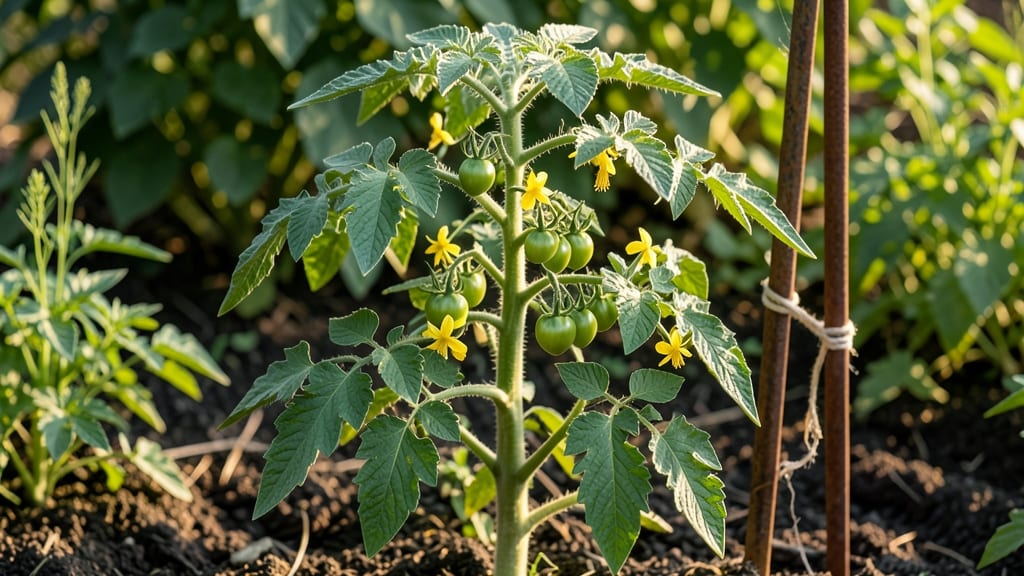
A foul tomato plant smell usually means your plants are dealing with overwatering, fungal rot, or tiny pests like aphids. Fix it by trimming damaged foliage, boosting airflow, and cutting back on water to revive that fresh garden scent.
A strong tomato plant smell isn't just unpleasant—it's your plants' way of screaming for help. 🌱 Overwatering creates the perfect breeding ground for bacteria and fungi, while pests like aphids leave behind sticky residue that stinks up your garden.
The good news? Most of these issues are reversible with simple adjustments. I've found that improving airflow with stakes or trellises works wonders, and a quick neem oil spray can tackle both fungal growth and pests without harsh chemicals.
What's interesting is how quickly plants bounce back once you address the root cause. Within days, you'll often notice the smell fading as new growth emerges. The key is acting fast—once that funk sets in, it can take weeks to fully disappear.
For extra protection, I recommend planting basil nearby; its scent naturally repels pests and keeps the air around your tomatoes fresher.
💡 In This Article
- Common Causes of Unpleasant Tomato Plant Odors
- Natural Remedies to Eliminate Tomato Plant Smells
Common causes of unpleasant tomato plant odors
Here's what's actually happening when your tomato plants start emitting unpleasant odors: it's usually a microbial party gone wrong. Bacterial soft rot occurs when Erwinia bacteria thrive in damp conditions, breaking down plant tissues and releasing foul-smelling volatile organic compounds (VOCs).
These bacteria enter through wounds—like those caused by pruning or hail—and multiply rapidly in temperatures above 70°F, producing a putrid, fermented smell reminiscent of overripe fruit left in a sealed container.
The key factor is moisture retention. When soil stays soggy for more than 48 hours, oxygen levels drop below 10%, creating anaerobic conditions perfect for root rot caused by Phytophthora or Pythium fungi.
These pathogens produce a musty, earthy odor as they decompose root tissues. 🌱 What's less obvious is how the decaying roots release methyl mercaptan—the same compound that gives skunk spray its signature stench—into the surrounding soil and air.
This chemical binds to plant surfaces, making the smell linger even after removing affected foliage.
Pest infestations contribute differently. Aphids and spider mites don't just feed—they excrete honeydew, a sticky sugar-rich substance that becomes a breeding ground for sooty mold fungi. This mold produces a sweet, fermented odor that attracts more pests in a vicious cycle.
The real kicker? Honeydew contains up to 20% fructose, which accelerates microbial growth when it mixes with dust and dirt particles on leaves, creating that familiar "sour" tomato plant aroma.
Organic matter decomposition plays a surprising role too. When you mulch with fresh grass clippings or leaves, the carbon-to-nitrogen ratio becomes unbalanced (typically 30:1 or higher), causing microbes to produce ammonia and hydrogen sulfide as byproducts.
These compounds smell like rotten eggs or cleaning products. The process accelerates when mulch piles up against stems, creating a warm, moist microclimate where anaerobic bacteria thrive.
What most people don't realize is how quickly these odors escalate. A single overwatered plant can develop bacterial soft rot in just 3-5 days if conditions remain ideal.
The smell starts subtle—like a damp basement—but intensifies as the bacteria release volatile fatty acids (like butyric acid) that have a pungent, almost cheesy aroma. 💫 This is why you might notice the odor worsening in the late afternoon when temperatures peak and microbial activity hits its daily maximum.
Visual symptoms often appear before the smell becomes noticeable. Look for:
- Bacterial soft rot: Water-soaked, translucent patches on leaves that turn brown and mushy
- Root rot: Yellowing lower leaves followed by wilting even when soil is moist
- Pest infestations: Sticky residue on leaves (honeydew) and visible webbing or tiny moving dots
- Decomposing mulch: Foul odor emanating directly from the mulch layer near the stem
The science behind these smells isn't just about what's happening above ground—it's about the entire plant ecosystem. When roots struggle, they release stress hormones like ethylene, which actually accelerates microbial activity in the soil.
This creates a feedback loop where the plant's own defense mechanisms contribute to the problem. 🌿 Understanding this helps explain why simply trimming smelly leaves often provides only temporary relief—the real fix requires addressing the root (literally) of the issue.