
How To
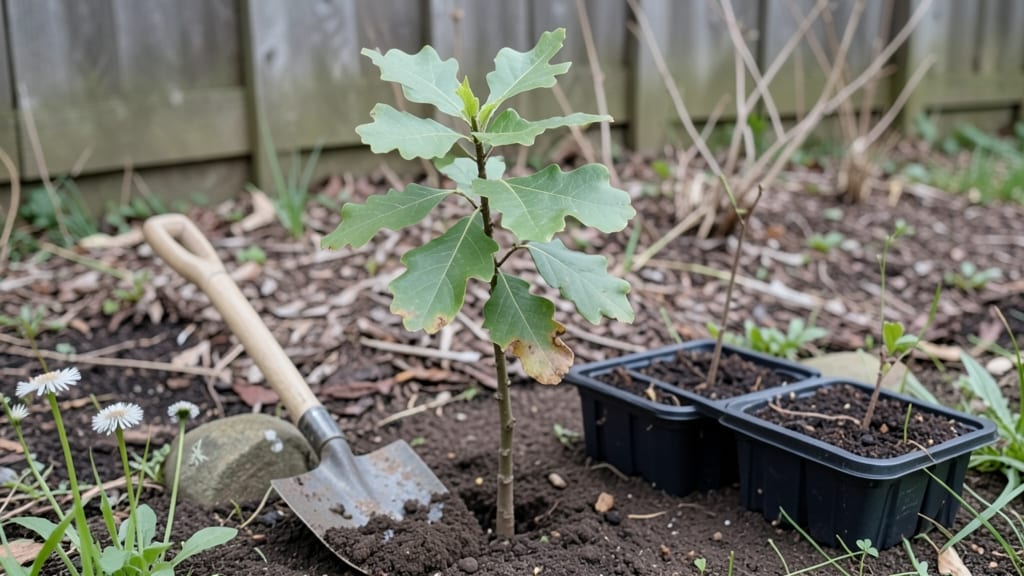
Planting trees on Arbor Day isn’t just about sticking a sapling in the ground—it’s about setting up your tree for a lifetime of strength and beauty. 🌳 Last spring, I planted a red oak on Arbor Day, and now it’s already outpacing my neighbor’s two-year-old sapling that went in at the same time.
The difference? Three simple moves that make all the difference between a struggling tree and one that thrives.
First, choose the right tree for your climate and space. Fast-growing species like willows or silver maples work in wet areas, while drought-tolerant oaks or hickories handle dry spells better. Second, dig a hole twice as wide as the root ball but no deeper—this prevents root suffocation.
Finally, water deeply right after planting to settle the soil and eliminate air pockets around the roots.
What you’ll end up with is a tree that establishes faster, resists disease better, and grows taller with fewer struggles. Within a year, you’ll notice new shoots and a stronger trunk—proof that Arbor Day planting pays off long-term.
The best part? You’re not just planting a tree; you’re investing in cleaner air, wildlife habitat, and even higher property values.
Works for any yard size, from urban sidewalks to rural acreage. Whether you’re planting a single shade tree or a whole grove, these tips cut down on common mistakes and set your trees up for success from day one. Let’s get those roots in the ground right!
📚 In This Guide
- What you need
- Instructions
- Tips and common mistakes
- Wrapping up and next steps
What you need
- ● Tree saplings: 1–3 (native species recommended; check local guidelines for size/age).
- ● Shovel or trowel: 1 (medium-sized, 12–18 inches deep for digging).
- ● Gloves: 1 pair (gardening or work gloves for protection).
- ● Watering can or hose: 1 (with a gentle spray nozzle).
- ● Mulch: 3–5 bags (2–4 inches of organic mulch like wood chips or straw).
- ○ Stakes & ties: 1–2 stakes (1–2 feet tall) and soft ties (optional but helpful for young trees).
- ● Soil amendments (if needed): 1–2 bags (compost or peat moss for nutrient-poor soil).
- ● Pruners: 1 pair (for trimming dead branches post-planting).
- ● Wheelbarrow or bucket: 1 (for hauling soil/mulch).
- ● Measuring tape: 1 (to mark planting depth).
- ● Tree planting guide: 1 (local nursery or extension service recommendations).
- ○ Optional: Soil pH tester, tree guard (to protect from pests), or a post-hole digger for rocky soil.
- ● Check local Arbor Day dates and tree species suitability for your climate zone.
- ● Call 811 (USA) to check for underground utilities before digging.
- ● Pick a sunny spot with 6+ hours of light (avoid low-lying areas where water pools).
- ● Test soil drainage (dig a small hole, fill with water—if it doesn’t drain in 24 hours, amend soil).
How to plant trees for Arbor Day success
Here's how to give your new trees the best start—no green thumb required.
🌱 Step 1: Dig the Perfect Hole
Choose a spot with 6-8 hours of sunlight daily and space 15-25 feet from your home or fence, depending on the tree's mature size. The hole should be twice as wide as the root ball but only as deep. I dig with a shovel, stepping back to check depth—it should sit 2 inches higher than surrounding soil to prevent water pooling.
Loosen the sides of the hole with your shovel to help roots spread outward. Avoid compacting the soil at the bottom; roots need air and space to establish. If your soil is heavy clay, mix in 2 inches of compost from the ingredients list into the bottom of the hole—this improves drainage and gives roots a nutrient boost right away.
🪴 Step 2: Prepare the Tree and Plant
Remove the tree from its container and gently loosen the root ball with your fingers if it looks tightly bound. Check for circled or girdling roots—these wrap around the root ball and can strangle the tree. If you see them, carefully tease them apart with your hands or a knife. This step is critical; I’ve seen otherwise healthy trees fail because of this one oversight.
Place the tree in the hole, ensuring the top of the root ball sits level with the surrounding soil. Fill the hole halfway with soil, then water deeply to settle it. This prevents air pockets that can suffocate roots. Tap the soil lightly around the base to eliminate gaps, but don’t pack it down—roots need room to grow.
☀️ Step 3: Mulch and Water for Long-Term Health
Spread 3 inches of mulch from the ingredients list in a 3-inch-wide ring around the tree, keeping it 6 inches away from the trunk. Mulch too close to the base causes rot, while too far away defeats its purpose. I use shredded bark mulch because it breaks down slowly and improves soil structure over time.
Water the tree deeply right after planting—about 10 gallons for a small tree—to encourage roots to spread into the surrounding soil. After that, water once a week for the first month, then taper to every 2-3 weeks once established. You’ll know you’re doing it right when water drains through the soil and the area stays moist but not soggy.
✂️ Step 4: Stake Only When Necessary
Only stake young trees if they’re taller than 6 feet or in a windy location. Use two stakes placed 6 inches from the trunk, tied loosely with soft tree ties from the ingredients list—tight ties can cut into the bark as the tree grows. I check the ties every few weeks to ensure they’re not digging in.
If you skip staking, most trees will grow just fine. The key is to water consistently and avoid disturbing the root ball while it establishes. After the first year, the tree’s roots will anchor it naturally, and you can remove stakes entirely. This prevents long-term damage from restricted growth.
Tips & tricks for perfect Arbor Day planting
Here's what I've learned from years of planting trees—these tricks make all the difference between a thriving tree and one that struggles.
Sunlight Spot Check: That 6-8 hours of sunlight isn't just a suggestion—it's non-negotiable for most trees. I always test the spot by observing how sunlight moves across the area throughout the day. Morning sun with afternoon shade works best for many species, especially in hot climates. If you're unsure, watch the area for a full day before planting—you'll notice how sunlight patterns change with the seasons.
Root Ball Rescue: In Step 2, when you're loosening that root ball, don't be afraid to get your hands dirty. I've seen too many trees fail because of those sneaky girdling roots. If you find them, gently pry them apart with your fingers or a butter knife—just be careful not to tear the roots. This might take a few minutes, but it's worth it to prevent future problems. Think of it as giving your tree a root massage!
Mulch Placement Precision: That 3-inch ring of mulch in Step 3 needs perfect placement—6 inches from the trunk, not touching it. I use a small garden rake to create a neat circle, then spread the mulch evenly. Too close and you risk rot; too far and you lose the moisture-retaining benefits. Pro tip: Add a layer of landscape fabric under the mulch if you have weeds—it'll save you hours of weeding later.
Watering Wisdom: Those 10 gallons right after planting aren't just about initial hydration—they're about encouraging roots to spread outward. I use a garden hose with a slow setting to water deeply, letting the water soak in completely. After that first watering, check the soil moisture by sticking your finger about 2 inches down—it should feel damp but not soggy. Overwatering is just as harmful as underwatering!
Pro Tips for Arbor Day Planting
- Here's what I've learned from years of planting trees—these tricks make all the difference between a thriving tree and one that struggles.
- Sunlight Spot Check: That 6-8 hours of sunlight isn't just a suggestion—it's non-negotiable for most trees.
- Root Ball Rescue: In Step 2, when you're loosening that root ball, don't be afraid to get your hands dirty.
Frequently asked questions
Got questions about making the most of your Arbor Day planting? You’re not alone—here are some common concerns and quick answers to set you up for success!
When is the best time to plant trees if I miss Arbor Day?
While Arbor Day (typically late April) is ideal, you can plant trees anytime the ground is workable and not frozen—spring or early fall are best. Avoid extreme heat or drought. Check your local climate zone for precise timing!
How much water does a newly planted tree need?
Newly planted trees need 1–2 gallons of water per day for the first few weeks, then taper to deep watering 2–3 times a week. Mulch helps retain moisture—keep it 2–4 inches thick but avoid piling it against the trunk.
Can I plant a tree in a small yard or urban space?
Choose dwarf varieties, container-friendly species (like Japanese maples), or root-pruned trees. Just ensure it has at least 6–8 feet of clearance from structures and underground utilities. Raised beds or large pots work too!
What should I do if my tree’s leaves turn brown after planting?
Brown leaves often mean transplant shock, underwatering, or root damage. Check soil moisture, prune dead branches, and avoid fertilizing for 3–4 weeks. If stress persists, consult a local arborist for soil or pest issues.
Are there low-maintenance trees perfect for beginners?
Yes! Try serviceberry, crape myrtle, or hackberry—they’re drought-tolerant, pest-resistant, and thrive with minimal care. Research native species for your region to reduce upkeep even more!
Wrapping up and next steps
Celebrating Arbor Day planting isn’t just about giving back to nature—it’s about creating a legacy for generations to come. 🌱 Whether you’re a seasoned gardener or a beginner, every tree you plant makes a difference, and your efforts will grow into something beautiful over time.
Now’s the perfect moment to take action: mark your calendar, gather your tools, and get ready to turn your green thumb into green impact!
- Next step: Start small—plant one tree today, then share your progress with friends or local groups to inspire even more eco-friendly action!