Pruning
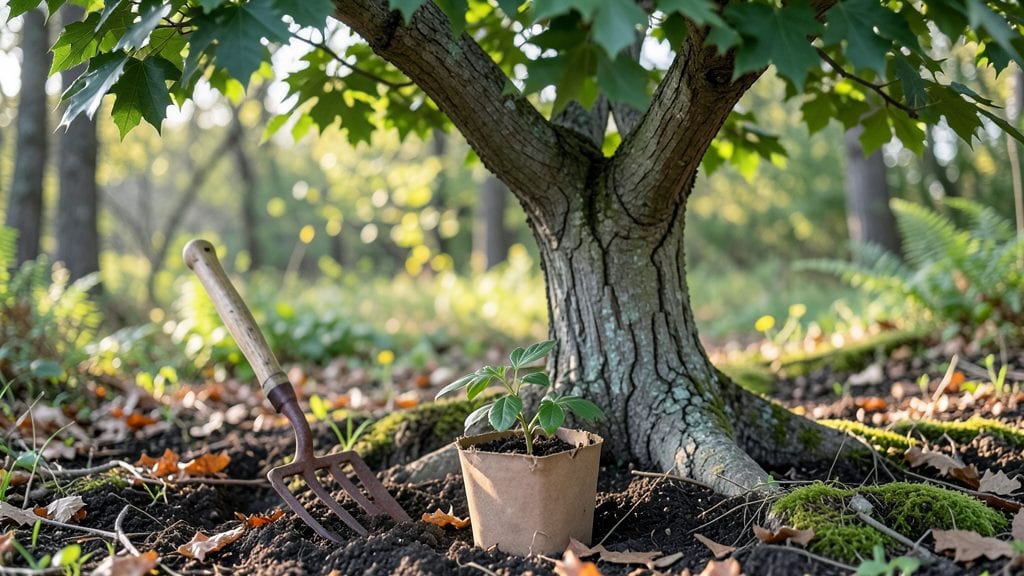
Planting trees in London transforms your urban space into a thriving green haven—even when space is tight and soil isn’t ideal. 🌿 I’ve planted everything from silver birch to field maple in the city, and the key is choosing the right species for London’s compact yards, clay-heavy soil, and Council rules.
The payoff? Trees that grow strong, support local wildlife, and even boost your property value.
Start with native species like hawthorn or rowan—they’re tough, adaptable, and already thrive in London’s climate. You’ll need a sturdy shovel, compost to break up heavy clay, and a watering can for the first few weeks.
The Council may require permits for larger trees, so check their guidelines before digging. Most London soil drains poorly, so amending it with grit or sand makes all the difference.
Once planted, keep the soil moist but not soggy for the first year—deep watering once a week beats shallow daily doses. Mulch with wood chips to retain moisture and suppress weeds, but avoid piling it against the trunk.
By year three, your tree will be self-sufficient, and you’ll notice more birds, cleaner air, and a cooler microclimate around your home.
London’s urban planting grants can even cover costs—just research local schemes before you buy. Whether you’re lining a street, filling a courtyard, or adding shade to a balcony, these steps turn any spot into a mini forest. Ready to get your hands dirty?
📚 In This Guide
- What you need
- Instructions
- Tips and common mistakes
- Wrapping up and next steps
What you need
- ● Native tree saplings: 1–3 (species like London plane, field maple, or hawthorn—check local guidelines for best fits).
- ● High-quality compost: 1–2 bags (organic, peat-free, ~20L per tree).
- ● Mulch: 1–2 bags (wood chips or bark, ~10L per tree).
- ○ Tree guards (optional but recommended): 1–3 (plastic or metal, 1m tall).
- ● Shovel: 1 (round-point or spade, ~30cm blade).
- ● Garden fork: 1 (for loosening soil).
- ● Gloves: 1 pair (gardening or work gloves).
- ● Watering can or hose: 1 (with a gentle spray nozzle).
- ○ Measuring tape (optional): 1 (for spacing).
- ○ Wheelbarrow (optional): 1 (for hauling soil/mulch).
- ● Location: Check soil pH (6.5–7.5 ideal) and sunlight (native trees thrive in partial shade to full sun).
- ● Permits (if applicable): Verify with London Borough Council for large-scale or public land projects.
- ● Weather check: Plant in fall (Oct–Nov) or early spring (Mar–Apr) for best survival rates.
Step-by-Step instructions for planting trees in London
London’s climate demands thoughtful tree planting—here’s how to ensure strong roots and lasting growth.
🪴 Step 1: Choose the Right Native Species and Dig the Hole
London’s soil and weather favor native species like field maple, silver birch, or hawthorn—they thrive without extra fuss. For each tree, dig a hole twice as wide as the root ball but no deeper—this prevents root suffocation. The hole’s edges should be slightly sloped to encourage water runoff.
Check the soil depth with a trowel: the top of the root ball should sit 1-2 inches above ground level once planted. If your soil is heavy clay (common in London), mix in a shovel of compost to improve drainage. I always test soil moisture before planting—if it’s bone-dry, water the hole lightly first.
🌱 Step 2: Prepare the Root Ball and Position the Tree
Gently loosen the roots of container-grown trees by teasing them apart at the edges—this helps them spread into the soil faster. For bare-root trees, soak the roots in lukewarm water for 1-2 hours before planting to revive them. Place the tree in the hole so its trunk faces the prevailing wind (usually southwest in London).
Use a level to ensure the tree stands completely upright. The root flare (where roots meet the trunk) should be visible above the soil line—burying it too deep causes rot. If the hole is too deep, add a mound of soil to raise the tree to the right height. Tap the soil lightly around the base to remove air pockets.
💧 Step 3: Backfill and Water Thoroughly
Fill the hole with the original soil (no amendments unless you mixed compost in earlier). Press the soil gently but firmly around the roots to eliminate gaps—think of it like tucking a blanket around a child. Stop when the hole is ¾ full, then water deeply to settle the soil. This first watering helps eliminate air pockets.
Once the water drains, finish filling the hole and create a 2-inch-high berm around the edges to direct water toward the roots. Water again until 6 inches of soil is thoroughly moistened. Over the next 2 weeks, water deeply once a week (more in summer) to encourage root growth. London’s clay soil can dry out surprisingly fast in summer heat.
☀️ Step 4: Mulch and Protect for Long-Term Success
Spread 2-3 inches of wood chip mulch over the soil surface, keeping it 6 inches away from the trunk to prevent rot. Mulch retains moisture and regulates soil temperature—critical in London’s unpredictable weather. For young trees, install a tree guard (available at garden centers) to shield the trunk from rodent damage and lawnmower accidents.
In the first year, avoid pruning unless dead branches exist. Instead, focus on watering and monitoring. If leaves yellow or wilt, it’s often a sign of overwatering (common in clay soil) or underwatering. London’s urban air can also stress trees—watering deeply once a week in summer usually solves this. After the first growing season, trees become more self-sufficient.
Tips & tricks for perfect tree planting in London
London’s climate can be tricky for tree planting, but these practical tips will help your native species thrive year-round.
The Hole Depth Secret: That 1-2 inch elevation for the root ball above ground level in Step 1 is critical—it prevents rot while allowing proper airflow. I've seen too many trees planted too deep where the trunk sits below soil level, leading to slow growth or even death. Use a level to double-check before backfilling.
Root Revival Technique: For bare-root trees, that 1-2 hour lukewarm water soak in Step 2 works wonders for reviving dormant roots. I like to add a splash of seaweed extract to the water for extra nutrients. The goal is to fully hydrate the roots without over-saturating them—think of it like giving them a refreshing drink before their big move.
Clay Soil Strategy: When you mix in that shovel of compost for heavy clay soil in Step 1, don't stop there. Spread a 2-inch layer of coarse sand at the bottom of the hole before adding the compost. This creates a drainage layer that prevents waterlogging, which is especially important in London's clay-heavy soil. The sand-compost combo gives roots room to breathe while still providing nutrients.
Watering Wisdom: The 2-week, once-a-week watering schedule in Step 3 is perfect for establishing roots, but here's the thing: in summer, you might need to water twice weekly. Test soil moisture by sticking your finger 2 inches down—if it's dry, it's time to water. And when you create that 2-inch berm, make sure it's actually directing water toward the roots, not away from them. I've seen many gardeners accidentally create a moat that funnels water away from the tree!
Pro Tips for Tree Planting London
- London’s climate can be tricky for tree planting, but these practical tips will help your native species thrive year-round.
- The Hole Depth Secret: That 1-2 inch elevation for the root ball above ground level in Step 1 is critical—it prevents rot while allowing proper airflow.
- Root Revival Technique: For bare-root trees, that 1-2 hour lukewarm water soak in Step 2 works wonders for reviving dormant roots.
Frequently asked questions
Got questions about planting trees in London? You’re not alone! Here are some of the most common queries—and their answers—to help you get started with confidence.
When is the best time to plant trees in London?
The ideal window is late autumn to early spring (November–March), when the ground is workable but not frozen. Avoid summer heatwaves, which stress young roots. Pro tip: Bare-root trees can be planted year-round if kept moist, but container-grown species thrive best in cooler months.
How much does it cost to plant a tree in London?
Costs vary widely:
- DIY saplings: £5–£20 (e.g., oak or silver birch from nurseries).
- Professional planting: £100–£500+ (includes labor, soil prep, and larger species like horse chestnut).
- Council schemes: Free or subsidized native trees (check London’s Tree Planting Strategy).
Factor in long-term care (mulch, watering) to save costs over time.
Can I plant any tree in London, or are there restrictions?
London encourages native species (e.g., field maple, hawthorn) for biodiversity, but restrictions depend on location:
- Private land: Few limits, but avoid invasive species like Japanese knotweed.
- Public spaces: Check with your borough council—some areas ban non-native trees or require permits for large species.
- Conservation areas: Heritage trees (e.g., London plane) may be protected.
Always research before digging!
What if my tree dies after planting?
Don’t panic—most failures stem from poor soil, dehydration, or pests. Troubleshoot with:
- Check the root ball for rot or girdling roots.
- Ensure 1–1.5 inches of water weekly (deep soaks, not light sprinkles).
- Inspect for aphids or vine weevils (common in London’s urban soil).
- Amend clay-heavy soil with compost or sand if drainage is poor.
If all else fails, replace it—London’s tree canopy needs you!
Are there alternatives if I can’t plant a tree?
Boost London’s green spaces with:
- Large shrubs: Holly, dogwood, or spindle (thrive in urban conditions).
- Climbing plants: Ivy or clematis on fences/walls for vertical growth.
- Community projects: Volunteer with Tree Museum or The Tree Council for collective planting.
- Potted trees: Grow native species in containers (e.g., crab apple) and replant later.
Every bit helps London’s urban forest!
Wrapping up and next steps
Planting native trees in London isn’t just about greening up the city—it’s about creating a thriving ecosystem that supports wildlife, improves air quality, and enhances urban beauty. 🌿 From seasonal timing to choosing the right species, every step you take makes a real difference.
Whether you’re a seasoned gardener or a beginner, your effort helps London’s environment flourish.
Ready to take action? Start small—plant one tree today! Research local native species, check planting guidelines, and connect with community groups for support. Your green thumbs can turn London into an even greener, healthier place for all.