
How To
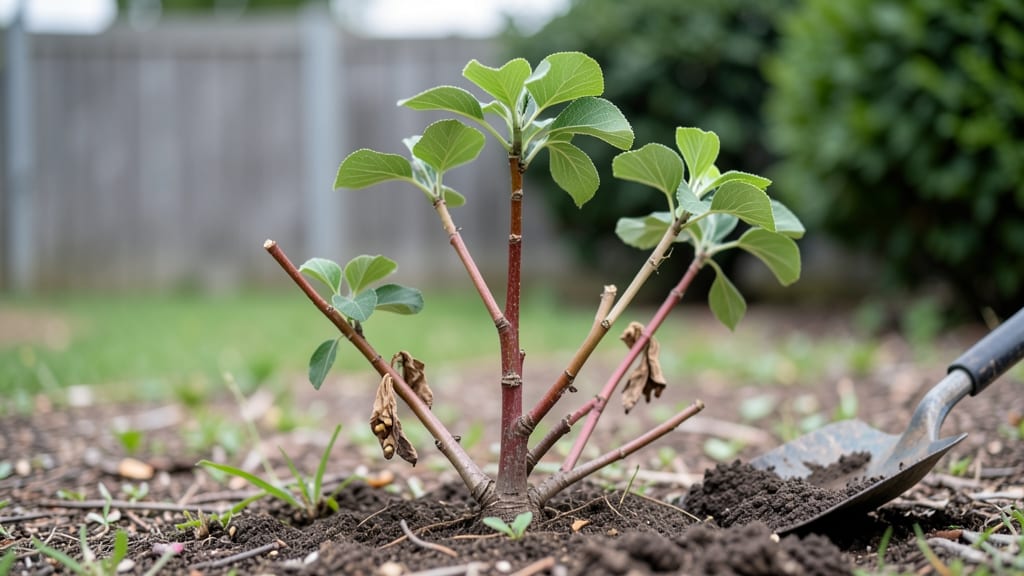
Planting crape myrtles in clay soil isn’t just possible—it’s where they often shine brightest. 🌿 My first attempt failed when I ignored the soil’s stubborn compactness, but once I learned to work with it, those trees became the showstopper of my yard.
The key isn’t fighting the clay; it’s giving roots room to breathe by loosening the ground and adding the right mix of organic matter.
You’ll need basic tools—a shovel, garden fork, compost, and maybe some coarse sand—to break up the heavy clay before planting. Crape myrtles handle clay better than most, but they still need 6-8 inches of amended soil to avoid waterlogged roots.
Space them 8-12 feet apart to prevent future crowding, and plant just deep enough so the top of the root ball sits level with the soil surface.
After planting, water deeply but let the soil dry slightly between waterings—clay holds moisture like a sponge, and soggy roots lead to rot. A 3-inch layer of mulch keeps moisture steady and blocks weeds, while also protecting the soil from summer heat.
Within a season, you’ll see those roots spread into the improved soil, and by summer, your crape myrtle will burst with vibrant blooms.
This method works for any clay-heavy yard, from urban lots to rural plots. The secret is patience—clay soil improves with each season of organic additions. For extra insurance, test your soil’s pH and drainage before planting, especially if your area gets heavy rains.
Once you master this, you’ll never shy away from clay again.
📚 In This Guide
- What you need
- Instructions
- Tips and common mistakes
- Wrapping up and next steps
What you need
- ● Crape myrtle sapling (choose a native variety like Lagerstroemia indica for best results).
- ● Garden fork or broadfork (for deep soil aeration—18-24 inches depth).
- ● Compost or well-aged manure (5-10 gallons, screened to avoid clumps).
- ● Organic matter amendments: Peat moss or coconut coir (2-3 cubic feet per hole).
- ● Sand (coarse, not fine—1-2 cubic feet per hole).
- ○ Perlite or vermiculite (1 cup per hole, optional but helps drainage).
- ● Shovel (for digging planting holes—2x wider and 12-18 inches deeper than the root ball).
- ● Garden hose with spray nozzle (for thorough watering).
- ● Mulch (2-3 inches of pine straw, wood chips, or shredded bark).
- ● Soil pH test kit (to check if lime or sulfur adjustments are needed—ideal pH: 5.5-6.5).
- ● Gypsum (1-2 lbs per hole—helps break up clay without altering pH).
- ● Slow-release fertilizer (balanced 10-10-10 or organic options like bone meal).
- ● Soil probe (to check drainage depth after amending).
- ● Knee pads or gardening stool (because comfort matters!).
Step-by-Step instructions for planting crape myrtle in heavy clay
Here's how to prepare clay soil so your crape myrtles grow strong and vibrant instead of struggling.
🪴 Step 1: Test and Amend the Clay Soil
Start by digging a hole twice as wide as the crape myrtle's root ball but only 12 inches deep. Clay soil is dense, so use a shovel to break up the sides of the hole—this prevents compacting when you replant. Remove any visible rocks or debris, as they'll restrict root growth.
Add 3 inches of compost to the bottom of the hole and mix it thoroughly with the native clay soil. This improves drainage and provides nutrients. If your clay soil is extremely heavy, you might need to add 1/4 sand per cubic foot of soil—just enough to loosen it without overwhelming the plant's need for moisture.
🌱 Step 2: Prepare the Crape Myrtle for Planting
Inspect the roots of your crape myrtle before planting. Gently tease apart any circling or tangled roots—this encourages outward growth instead of girdling. If the roots are very dry, soak them in water for 15-20 minutes before planting to reduce transplant shock.
Place the plant in the hole so the top of the root ball sits 1-2 inches above ground level. Clay soil settles over time, so this prevents the roots from being buried too deep. Fill the hole with the amended soil mixture, pressing lightly as you go to eliminate air pockets but avoiding compaction.
💧 Step 3: Water Deeply and Mulch Properly
After planting, water the crape myrtle deeply—1-2 gallons per plant—to help settle the soil around the roots. Let the water soak in completely, then add a 2-3 inch layer of mulch around the base, keeping it 6 inches away from the trunk. Use organic mulch like wood chips or shredded bark to improve soil structure over time.
Water again lightly to help the mulch settle. Avoid heavy watering at this stage, as clay soil can become waterlogged if overworked. Instead, aim for 1 inch of water per week, adjusting for rainfall. This helps prevent root rot while encouraging strong root development.
☀️ Step 4: Monitor and Maintain Soil Conditions
Crape myrtles thrive in full sun (6-8 hours daily), but clay soil can overheat in summer. If the soil feels hard or cracks appear, water deeply to maintain moisture. Over time, the compost and organic matter will improve drainage, but young plants still need consistent care.
Every 3-4 months, add a 1-2 inch layer of fresh mulch to replenish nutrients and prevent soil compaction. Avoid piling mulch against the trunk, as this can trap moisture and lead to rot. Instead, create a donut-shaped ring around the plant to protect the roots while keeping the center dry.
Tips & tricks for perfect crape myrtle planting in clay
Here's what I've learned from years of helping crape myrtles thrive in tough clay soil—these tricks make all the difference.
Soil Amendments: That 3-inch layer of compost in Step 1 is non-negotiable, but don't stop there. If your clay is especially dense, mix in 1/3 perlite or vermiculite along with the sand—this creates tiny air pockets that roots will love. I've seen roots grow twice as fast when using this combo instead of just sand.
Root Prep Technique: When teasing apart those circling roots in Step 2, work gently but firmly. Think of it like untangling headphones—you want to spread them outward naturally, not force them. And that 15-20 minute soak isn't just about hydration; it helps the roots absorb the amended soil better once planted. Trust me on this.
Watering Wisdom: The 1-2 gallons per plant in Step 3 should go in slowly—aim for about 10 minutes of steady watering. This prevents surface runoff that can wash away your amended soil. After the initial watering, let the soil absorb completely before adding mulch. I've seen too many people rush this step and end up with compacted soil again.
Mulch Mastery: That 2-3 inch layer in Step 3 should be your first line of defense against clay's compacting nature. For extra protection, consider adding a thin layer of straw over the wood chips—it helps retain moisture while preventing the mulch from smothering the base. And remember, the donut shape isn't just decorative; it creates proper airflow to prevent rot.
Pro Tips for Planting Crape Myrtle In Clay Soil
- Here's what I've learned from years of helping crape myrtles thrive in tough clay soil—these tricks make all the difference.
- Soil Amendments: That 3-inch layer of compost in Step 1 is non-negotiable, but don't stop there.
- Root Prep Technique: When teasing apart those circling roots in Step 2, work gently but firmly.
Frequently asked questions
Got questions about planting crape myrtles in heavy clay? You’re not alone! Here are answers to the most common concerns—so you can get growing with confidence.
When is the best time to plant crape myrtles in clay soil?
Plant in early spring (as soon as the ground is workable) or fall (4–6 weeks before frost). Avoid summer heat, which stresses young roots. Clay soil stays wet longer, so spring gives roots time to establish before winter. If planting in fall, choose cold-hardy varieties like ‘Natchez’ or ‘Tonto’.
How do I prepare clay soil for crape myrtles?
Break up compacted clay by tilling 6–8 inches deep and mixing in 2–3 inches of organic matter (compost or aged manure). Avoid heavy foot traffic after planting to prevent re-compaction. For stubborn clay, add gypsum (follow package rates) to improve drainage over time.
Can crape myrtles grow in pure clay without amendments?
Yes, but growth will be slower and roots may struggle with poor drainage. Amendments like pine bark fines or sand help, but focus on organic matter (compost, leaf mold) first—it improves structure long-term. Mulch heavily (3–4 inches) to protect roots and regulate moisture.
Why are my crape myrtle leaves yellowing in clay soil?
Yellowing leaves often signal poor drainage or nutrient deficiencies. Test soil pH (ideal: 5.5–6.5) and amend with lime if acidic. Overwatering in clay can suffocate roots—ensure soil drains within 24 hours after rain. A slow-release fertilizer (like 10-10-10) in spring can also help.
What’s a good alternative if crape myrtles struggle in my clay?
Try these clay-tolerant shrubs:
- Oakleaf hydrangea (Hydrangea quercifolia)
- Smokebush (Cotinus coggygria)
- Dwarf crape myrtle (‘Arapaho’ or ‘Centennial’)
- Butterfly bush (Buddleia davidii)
Wrapping up and next steps
Planting crape myrtles in clay soil is totally doable—with the right prep and patience, you’ll give these beauties the perfect foundation to flourish! 🌱 Remember, the key is breaking up compaction, amending the soil, and ensuring proper drainage.
Once you’ve tackled these steps, your crape myrtles will reward you with stunning blooms and lush foliage for years to come.
Ready to take the next step? Grab your tools, mark your calendar, and start prepping that clay soil—your future garden oasis is waiting! 🌿