
Pruning
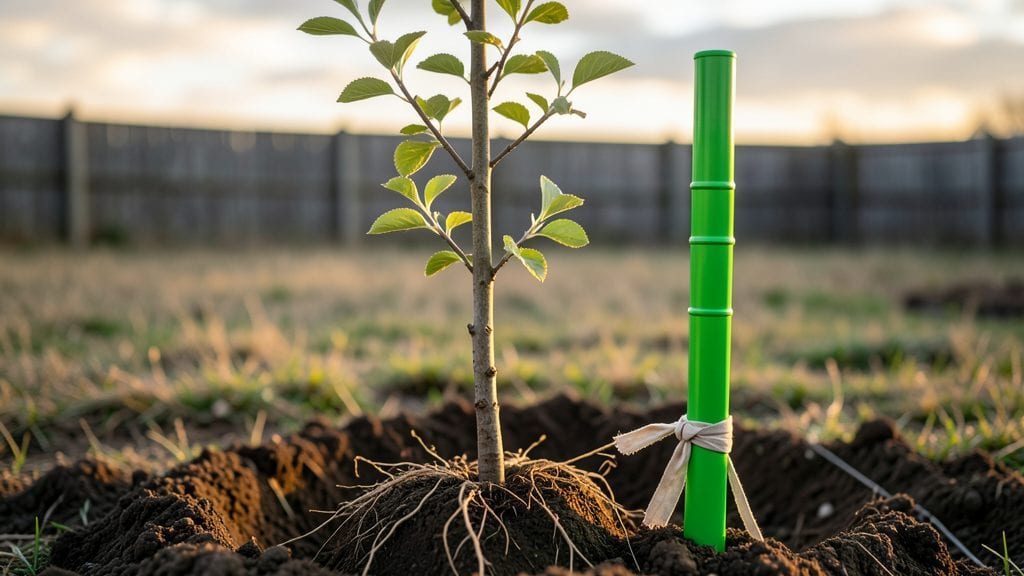
Supporting a newly planted tree isn’t just about hammering in stakes—it’s about giving it the confidence to stand tall against wind and weather. 🌳 I’ve seen young trees snap like twigs because they weren’t secured right, but with the proper technique, yours will grow strong and steady.
The key lies in balancing support with freedom to sway slightly, letting roots anchor naturally while protecting against toppling.
You’ll need basic supplies: sturdy wooden or metal stakes (not too thick, not too thin), soft tree ties that won’t cut into bark, and a quality mulch to retain moisture. Avoid cheap plastic ties—they can strangle the trunk as it grows.
I’ve also found that spiral supports work wonders for flexible trees like willows, giving them room to move without breaking. The goal is stability, not a straightjacket.
Once planted, water deeply right away to settle the soil, then keep it consistently moist for the first year—dry spells are when trees need support most. Check ties every few months to ensure they’re not digging into the bark, and adjust stakes as the tree grows taller.
You’ll know you’re doing it right when your tree stands firm in storms but still has room to grow.
This method works for any young tree—fruit, shade, or ornamental—whether you’re planting in your yard or restoring a landscape. The secret isn’t just the stakes; it’s the patience to let the tree find its own balance over time. Let’s get your tree off to the strongest start possible.
📚 In This Guide
- What you need
- Instructions
- Tips and common mistakes
- Wrapping up and next steps
What you need
- ● Tree stakes (2-3): Opt for 1-inch diameter wooden or metal stakes, each 4-6 feet tall (adjust based on tree height).
- ● Tree ties or soft garden straps (4-6): Use wide, stretchy fabric or rubber ties (avoid wire—it can damage bark!).
- ● Mulch (2-3 inches): Shredded bark, wood chips, or straw (keep 3-4 feet away from the trunk to prevent rot).
- ● Watering can or hose with a gentle nozzle: For deep, slow watering (1-2 gallons per watering session).
- ○ Staple gun or zip ties (optional): For securing stakes to the tree if needed.
- ● Shovel or trowel: For adjusting soil or adding mulch.
- ● Measuring tape: To ensure stakes are 1-2 feet from the trunk (not too close!).
- ○ Soil moisture meter (optional): Helps track hydration levels without guesswork.
- ○ Compost or fertilizer (optional): A slow-release, balanced formula (10-10-10) if planting in poor soil.
Step-by-step guide to supporting a newly planted tree
Here's how to give your young tree the sturdy foundation it needs to thrive.
🪴 Step 1: Choose the Right Staking Materials
Start by selecting two 4-6 foot wooden stakes—they should be thick enough to hold the tree but not so rigid they damage the trunk. I like to use softwood stakes because they're less likely to split when driven into the ground. Place them about 12-18 inches apart on opposite sides of the tree, angled slightly outward from the trunk.
Drive each stake into the soil at a 45-degree angle until about 1/3 of its length is buried. This creates a triangle of support that won't topple in wind. The stakes should be positioned just outside the root ball, not touching the trunk—this prevents girdling as the tree grows.
💧 Step 2: Secure the Tree with Proper Ties
Use two tree ties or wide strips of fabric (never wire or narrow straps—they cut into bark as the tree swells). Loop one tie around the trunk and the other around the top of the stakes, then cross them in an "X" pattern. Tighten just enough to hold the tree straight—you should be able to fit two fingers between the tie and the trunk.
Adjust the ties so the tree stands perfectly upright. If you see any rubbing against the bark, loosen immediately. I check these ties every 4-6 weeks—trees grow faster than you think, and ties that were loose at planting can become dangerously tight.
☀️ Step 3: Water Deeply and Mulch Correctly
Water the tree immediately after staking with 5-10 gallons of water, depending on soil type. Sandy soil drains fast, so you'll need more; clay holds moisture longer. The goal is to saturate the root ball completely—you should see water pooling at the edges before it drains away.
Spread 2-3 inches of mulch over the soil surface, keeping it 6 inches away from the trunk to prevent rot. I use wood chips because they break down slowly and improve soil structure over time. Mulch helps retain moisture and regulates soil temperature, but don't pile it up—too much suffocates roots.
⏰ Step 4: Monitor and Adjust Support Over Time
Check the tree's stability every 2-3 weeks during windy seasons. If the stakes start to loosen, drive them deeper rather than adding more ties. Most trees need support for only 1-2 years, but larger species or windy locations may require stakes longer.
Watch for signs the tree is outgrowing its support: if the trunk rubs against the ties or the stakes, it's time to remove them. I always remove one stake first, then the other, to let the tree adjust gradually. You'll know it's ready when the trunk stands firm on its own during gentle shaking.
Tips & tricks for supporting a newly planted tree
A few simple strategies will help your tree establish strong roots and stand tall for years to come.
The Stake Angle Matters: That 45-degree angle for your stakes isn't arbitrary—it creates the strongest support system. Think of it like a triangle: the wider the base, the more stable the structure. If you're working with uneven ground, adjust the angle slightly to keep the tree perfectly vertical. I've seen trees topple when stakes were planted straight up or too shallow.
Tie Tightness Test: The two-finger rule is your friend here. If you can't fit two fingers between the tie and the trunk, you're strangling your tree. I check these ties every 4-6 weeks because trees grow faster than you'd expect—what felt loose at planting can become dangerously tight. Use soft fabric ties or tree-specific ties that won't cut into the bark as it thickens.
Watering Wisdom: Those 5-10 gallons aren't just about quantity—they're about technique. Pour water slowly in a circle around the root ball until it pools at the edges. This ensures water penetrates deeply rather than running off. For the first few weeks, I water every 2-3 days, checking the soil moisture 2 inches below the surface. If it's dry, it's time to water again.
Mulch Placement: That 6-inch clearance from the trunk might seem like a lot, but it's crucial. Piled-up mulch creates a moist, oxygen-poor environment that can rot the bark. I like to create a volcano shape with my mulch—higher at the edges and lower near the trunk. This helps water run off toward the roots while keeping the trunk dry.
Pro Tips for Support A Newly Planted Tree
- A few simple strategies will help your tree establish strong roots and stand tall for years to come.
- The Stake Angle Matters: That 45-degree angle for your stakes isn't arbitrary—it creates the strongest support system.
- Tie Tightness Test: The two-finger rule is your friend here.
Frequently asked questions
Got questions about keeping your newly planted tree thriving? You’re not alone! Here are answers to the most common concerns—so you can give your tree the best start without the guesswork.
How long should I stake my tree?
Most trees only need stakes for 1–2 years—just long enough for roots to stabilize. Over-staking can weaken the trunk by preventing natural movement. Check for wobble: if it stands firm on its own, it’s time to remove stakes! Learn how to unstake properly.
Should I water my tree in winter?
Yes! Even dormant trees need moisture—especially in winter when soil freezes. Water deeply once a month (unless snow covers the root zone). Use a soaker hose or mulch heavily (3–4 inches) to retain moisture. Avoid ice buildup around the trunk.
What if my tree’s leaves turn brown?
Brown leaves often mean overwatering, underwatering, or stress. Check soil moisture (stick your finger 2 inches down—dry? Water! Soggy? Hold off). Also inspect for pests (aphids, mites) or disease (fungus spots). Diagnose with this quick guide.
Can I use bamboo stakes instead of metal?
Bamboo stakes are eco-friendly and flexible, reducing trunk damage. Just ensure they’re wide enough (2–3 inches) to support the tree and secure them with soft ties (no wire!). Avoid cheap plastic stakes—they can snap under pressure.
How do I know if my tree needs more support?
Watch for these signs:
- Leaning heavily (more than 10–15° from vertical).
- Cracked or split soil around the base (roots may be struggling).
- Excessive leaf drop before seasonal changes.
Wrapping up and next steps
Supporting a newly planted tree is all about patience, consistency, and care—just like nurturing any young life! 🌱 With the right stakes, proper watering, and a little tender love, your tree will grow strong and resilient. Remember, every small effort today ensures a thriving canopy for years to come.
Now that you’re armed with the know-how, take action! Grab your tools, head outdoors, and give your tree the best start. Need a refresher? Bookmark this guide and revisit it as your tree grows—happy planting! 🌳✨