
Companion Plants
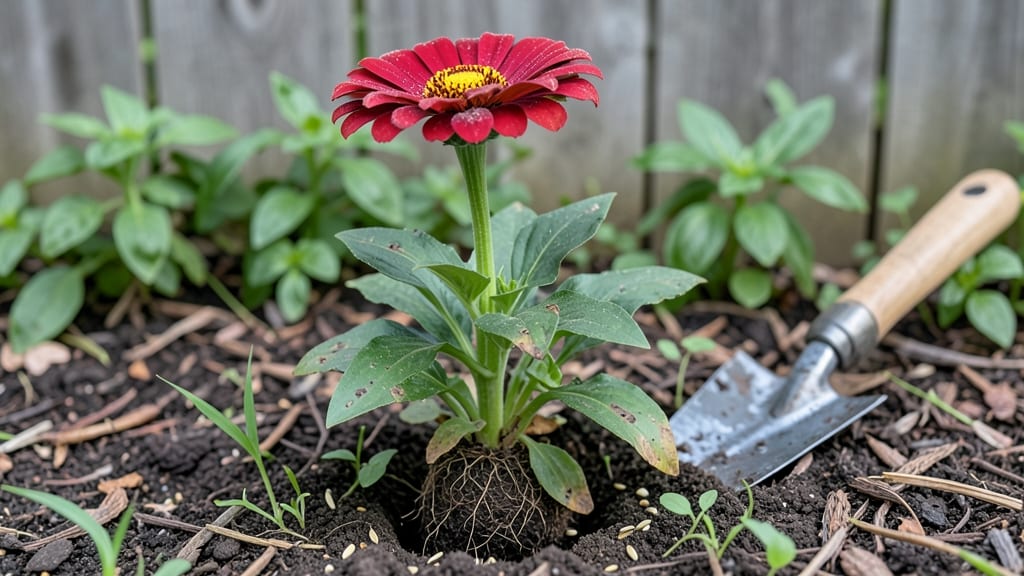
Follow these zinnia planting instructions to effortlessly grow vibrant, hummingbird-loved blooms straight from seed in your garden.
I’ve grown them every summer for years, and the secret to success starts with the right timing—direct-sow after your last frost when soil hits 60°F, or start indoors 6-8 weeks before that if you’re in a cooler zone. The payoff?
Stems tall enough for bouquets by midsummer, with colors that pop against any backdrop.
You’ll need well-draining soil (zinnias hate soggy roots), a sunny spot with at least 6 hours of direct light daily, and patience for germination—seeds can take 7-14 days to sprout, especially in cool weather.
For containers, use 5-inch pots with drainage holes; in-ground plants need 12-18 inches apart to avoid crowding. The key? Thin seedlings ruthlessly—overcrowded zinnias flop midseason, and no one wants that.
Once they’re up, water at the base (not overhead) to prevent fungal issues, and watch them transform from fuzzy seedlings into 4-foot-tall stalks covered in blooms by early July.
Deadhead spent flowers to encourage nonstop reblooming, and you’ll have fresh-cut stems for weeks. The best part? Zinnias self-seed like crazy, so next year’s garden practically plants itself.
Container gardeners, don’t worry—dwarf varieties like ‘Thumbelina’ thrive in 5-gallon pots, and you can even grow them in hanging baskets for vertical color. Just remember: zinnias love heat and sun, so if your summers are scorching, give them a little afternoon shade to prevent wilting.
With these steps, you’ll have a border so vibrant, your neighbors will ask for cuttings.
📚 In This Guide
- What you need
- Instructions
- Tips and common mistakes
- Wrapping up and next steps
What you need
- ● Zinnia seeds – Choose heat-tolerant varieties like 'Benary’s Giant' or 'Profusion' (packets typically contain 50-100 seeds).
- ● Well-draining potting mix – 1-2 gallons for starting seeds indoors or a lightweight, fertile garden soil for direct sowing (amend with compost for nutrients).
- ● Containers or seed trays – 2-3" deep pots (if starting indoors) or a prepared garden bed (6+ inches deep, full sun).
- ● Watering can or hose with a gentle spray nozzle – Keep soil consistently moist (not soggy!).
- ○ Garden gloves – Protect your hands from soil and thorns (optional but helpful!).
- ● Plant labels or markers – Write seed varieties and planting dates to track growth.
- ● Seedling heat mat – Speeds up germination if planting early in the season.
- ● Fertilizer (balanced 10-10-10 or slow-release granules) – Mix 1 tbsp per square foot into soil before planting.
- ● Mulch (straw or shredded leaves) – Retains moisture and suppresses weeds.
- ● Plant clippers or pruning shears – For deadheading spent blooms to encourage more flowers.
- ● Row covers or shade cloth – Protects seedlings from pests or harsh afternoon sun in hot climates.
Zinnia planting instructions: sun-loving blooms in 3 simple steps
Here’s how to grow vibrant zinnias with minimal fuss—perfect for beginners or busy gardeners.
Choose the Right Location and Prepare the Soil
Zinnias thrive in full sun, so pick a spot that receives at least 6-8 hours of direct sunlight daily. If your garden area gets partial shade, opt for shorter varieties like ‘Thumbelina’—they tolerate lighter conditions better than tall types. Clear the chosen area of weeds and rocks, then loosen the soil to a depth of 12 inches using a garden fork or tiller. This improves drainage and root penetration, which zinnias need to stay sturdy.
Work in 2-3 inches of compost or well-rotted manure to enrich the soil. Zinnias aren’t picky about soil type, but they perform best in loose, fertile ground with a pH between 6.0 and 7.0. If your soil is heavy clay, mix in sand or perlite to lighten it. The goal is soil that crumbles easily when moist—this ensures roots grow freely rather than struggling in compacted dirt.
Plant Seeds or Transplants at the Correct Depth and Spacing
For direct sowing, plant seeds ¼ inch deep in early spring, 2-3 weeks after your last frost date. Space them 6-12 inches apart, depending on the variety—dwarf zinnias can be planted closer together, while tall varieties need more room to avoid crowding. Thin seedlings to the strongest plant per spot once they develop 2-3 true leaves, as overcrowding leads to leggy, weak stems and fewer blooms. I like to use a small hand trowel to make precise holes and a spray bottle to water gently after planting—this prevents seeds from washing away.
If starting with transplants, dig holes slightly deeper than the root ball to encourage strong root growth. Gently remove the plant from its container, tease the roots apart if they’re circling, and place it in the hole. Backfill with soil, pressing lightly around the base to eliminate air pockets. Water deeply right after planting to settle the soil and remove any gaps. Avoid fertilizing at this stage—zinnias are light feeders and can scorch if over-fertilized too soon.
Water Consistently and Maintain for Continuous Blooms
Water zinnias at the base of the plant in the morning to keep foliage dry, which prevents fungal diseases like powdery mildew. Aim for 1 inch of water per week, adjusting for rainfall. Let the top 1-2 inches of soil dry out between waterings—zinnias hate soggy roots but also won’t tolerate drought stress. You’ll know you’re watering correctly when the soil feels slightly damp 2 inches down but not saturated. Mulch around the base with 2-3 inches of organic mulch to retain moisture and suppress weeds, which compete for nutrients.
Deadhead spent blooms regularly by snipping the stem just above a set of leaves. This encourages more flowers and prolongs the blooming season. Zinnias are annuals, so they’ll produce nonstop color from early summer until frost if you keep up with deadheading and watering. Watch for pests like aphids or spider mites—spray affected areas with neem oil if you spot them early. With consistent care, your zinnias will reward you with bold, cheerful blooms all season long.
Tips & tricks for perfect zinnia planting
Growing zinnias is simpler than you think—once you know these key strategies to maximize blooms and minimize hassle.
Sunlight Secret: The 6-8 hours of direct sunlight mentioned in Step 1 is non-negotiable for most zinnias. If your garden gets less, choose compact varieties like 'Thumbelina'—they'll still thrive with 4-6 hours. For maximum blooms, position zinnias where they receive morning sun and afternoon shade in hot climates, as intense afternoon heat can stress the plants.
Soil Preparation Insight: When loosening soil to 12 inches in Step 1, focus on breaking up compacted layers rather than turning the soil. Zinnias develop deep roots, so creating vertical channels with a garden fork helps water and nutrients reach them efficiently. If your soil is particularly dense, consider adding coarse sand or perlite to improve drainage without altering the soil's natural structure.
Planting Precision: For direct sowing in Step 2, use a ruler to ensure seeds are planted exactly ¼ inch deep—any deeper and germination slows dramatically. I've found that gently pressing the soil around each seed with your thumb after planting helps maintain consistent depth. When thinning seedlings, wait until they have 2-3 true leaves to ensure you're removing the weakest plants, not just the smallest.
Watering Wisdom: The 1-inch weekly watering guideline in Step 3 assumes average rainfall. In drought conditions, increase to 1½ inches per week, delivered directly at the base. Use a rain gauge or tuna can to measure water accurately—your eyes can easily misjudge how much moisture the soil actually receives. Morning watering is crucial because wet foliage overnight invites fungal diseases like powdery mildew, which can devastate zinnias.
Pro Tips for Zinnia Planting Instructions
- Growing zinnias is simpler than you think—once you know these key strategies to maximize blooms and minimize hassle.
- Sunlight Secret: The 6-8 hours of direct sunlight mentioned in Step 1 is non-negotiable for most zinnias.
- Soil Preparation Insight: When loosening soil to 12 inches in Step 1, focus on breaking up compacted layers rather than turning the soil.
Frequently asked questions
Got questions about growing zinnias?
You’re not alone—these cheerful blooms spark curiosity! Below, we’ve rounded up the most common queries from gardeners just like you, from timing tricks to troubleshooting tips. Dive in!
When is the best time to plant zinnias?
Zinnias thrive in warm soil—aim to plant after the last frost when nighttime temps stay above 50°F (10°C). For a longer bloom season, start seeds indoors 6–8 weeks before the last frost or sow directly outdoors in early spring or late summer (they’re annuals, so no overwintering!).
How long does it take for zinnias to grow from seed?
Zinnia seeds germinate quickly—usually 5–10 days in warm, moist soil. From seed to first bloom takes about 60–70 days, depending on the variety. Pro tip: Thin seedlings to 12–18 inches apart for bushier plants and better airflow!
What pests or diseases should I watch for?
Zinnias are generally low-maintenance, but keep an eye out for aphids, spider mites, and whiteflies (spray with soapy water if needed). Powdery mildew can appear in humid conditions—improve airflow and avoid overhead watering. Cut back spent blooms to encourage more flowers and reduce disease risk.
Can zinnias grow in containers?
Zinnias adapt well to containers 12+ inches deep with drainage holes. Use a well-draining potting mix and place pots in full sun. Dwarf varieties like ‘Thumbelina’ are perfect for small spaces. Pro tip: Fertilize lightly every 3–4 weeks for bigger blooms!
Why aren’t my zinnias blooming?
No flowers? Check these fixes:
- Not enough sun: Zinnias need 6+ hours of direct sunlight daily.
- Over-fertilizing: Too much nitrogen = leafy growth, fewer blooms. Use a low-nitrogen fertilizer or balanced 10-10-10.
- Deadheading needed: Snip spent blooms to encourage new flowers.
- Leggy stems: Thin crowded plants for better airflow and light.
Can I save zinnia seeds for next year?
Yes! Let some flowers go to seed (the dried heads turn brown). Harvest seeds in fall by cutting the heads and drying them in a paper bag. Store seeds in a cool, dry place for up to 2 years. Bonus: Seeds from hybrid zinnias may not produce true-to-type blooms!
Wrapping up and next steps
Growing zinnias is a rewarding experience that brings vibrant color and joy to your garden with minimal effort! 🌸 Whether you’re a beginner or a seasoned gardener, following these simple steps—choosing the right variety, preparing the soil, and maintaining your plants—will ensure a stunning display of blooms all season long.
Now that you’re armed with the knowledge, it’s time to grab your gloves, pick your favorite zinnias, and get planting!
Ready to take the next step? Share your progress with fellow gardeners or tag us in your photos—we’d love to see your sun-loving zinnias thrive! For even more tips, explore our companion planting guide to pair zinnias with the perfect neighbors in your garden.