
Flowers
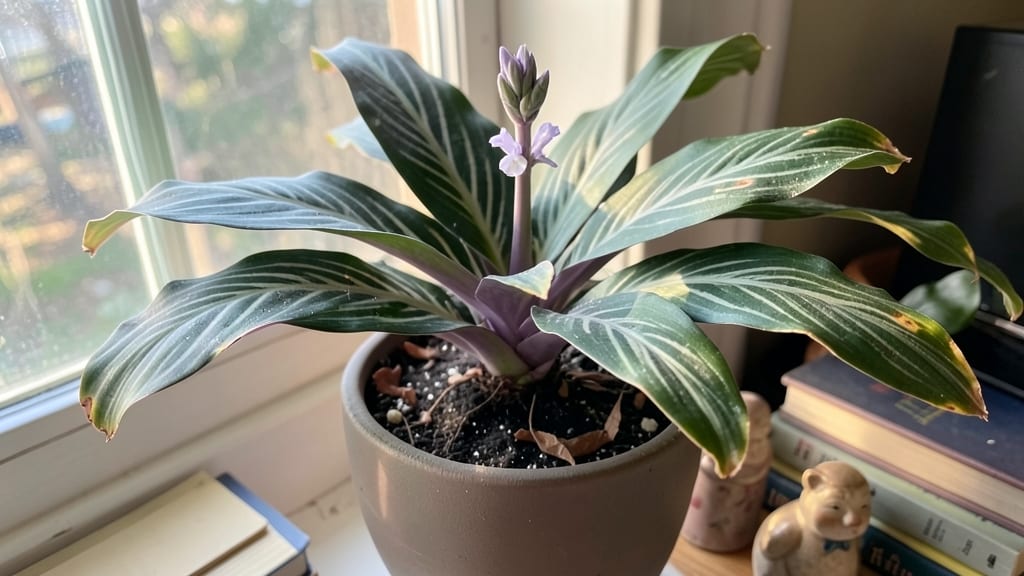
Your zebra plant’s blooms are the showstopper you didn’t know it could have—those vivid spikes of color that turn heads in any room.
But here’s the catch: coaxing them out isn’t just luck. It’s about light tricks, humidity secrets, and timing that mimics its tropical roots—even if you’re in a USDA Zone 10-12 climate or keeping it indoors year-round.
Too little light? No blooms. Too much water? The same result. I’ve spent years perfecting the balance, and in this guide, I’ll show you exactly how to trigger those fall blooms—and keep them coming back.
Ready to turn your 🌿 zebra plant into a flowering powerhouse? Let’s get started.
Understanding zebra plant bloom cycles: when to expect flowers
The zebra plant (Aphelandra squarrosa) typically blooms in late summer to early fall, but timing varies based on your plant's age and growing conditions. Young plants may take 1-2 years to produce their first flowers, while mature specimens can bloom annually if cared for properly.
Understanding these seasonal patterns helps you anticipate and encourage vibrant spikes of red, orange, or yellow blooms.
Light exposure is the #1 factor influencing bloom timing. These tropical plants need bright indirect light for at least 4-6 hours daily. Too little light delays blooming, while direct midday sun can scorch leaves.
Position your zebra plant near an east or west-facing window for optimal results. In low-light conditions, supplement with a grow light to mimic natural sunlight patterns.
Age matters—juvenile zebra plants focus energy on foliage growth before flowering. Only after reaching 12-18 inches tall and developing 6-8 mature leaves will they typically produce buds. Patience is key: rushing growth with excessive fertilizer can delay blooming by diverting resources away from flower development.
Watch for pre-bloom signs like new leaf growth with darker stripes or small buds forming at stem tips. These indicate your plant is preparing for its first bloom cycle. Increase humidity to 50-60% during this stage, as dry air can stress the plant and prevent bud formation.
A simple pebble tray with water beneath the pot helps maintain ideal moisture levels.
Temperature fluctuations also play a role. Zebra plants thrive in 65-75°F (18-24°C) conditions. A 5-10°F (-15 to -12°C) drop in evening temperatures can trigger blooming, mimicking their natural tropical climate. If your home stays consistently warm year-round, consider moving the plant to a cooler balcony during summer evenings to encourage flower production.
Soil health impacts bloom quality too. Use a well-draining potting mix with peat or coconut coir to prevent root rot. Overwatering stresses the plant, while underwatering causes buds to drop. Water when the top 1-2 inches of soil feel dry, and always use room-temperature water to avoid shocking the roots.
Fertilizer timing is critical. Apply a balanced 10-10-10 NPK fertilizer every 4-6 weeks during spring and summer to support growth. Switch to a low-phosphorus formula in fall to encourage blooming.
Over-fertilizing with high nitrogen can result in leafy growth at the expense of flowers, so follow the recommended dosage carefully.
Here’s a quick reference for bloom cycles and care adjustments:
| Stage | Age | Light Needs | Bloom Time | Care Tip |
|---|---|---|---|---|
| Juvenile | 0-1 year | Bright indirect | No blooms | Focus on leaf growth |
| Mature | 1-2 years | 4-6 hrs daily | Late summer | Increase humidity |
| Established | 2+ years | Consistent bright light | Annual (fall) | Cool evenings trigger blooms |
| Stressed | Any age | Low light | Delayed/no blooms | Adjust light immediately |
After blooming, your zebra plant may enter a dormant phase where growth slows. Reduce watering and fertilization during this time, which typically occurs in winter months. Prune spent flower spikes to encourage new growth, but avoid cutting into healthy foliage.
With proper care, your plant will rebound and produce even more dramatic blooms next season.
If your zebra plant isn’t blooming after a year, reassess its light conditions, humidity levels, and fertilizer routine. Small adjustments—like moving it closer to a window or increasing evening airflow—can make a huge difference in flower production.
Patience and consistency are key to unlocking those stunning zebra plant blooms! 🌿
5 Proven methods to trigger zebra plant blooms at home
Your zebra plant (Aphelandra squarrosa) may have stunning foliage, but those vibrant blooms are the real showstoppers. The key to encouraging flowers lies in mimicking its tropical native conditions—but with precise adjustments.
Unlike its foliage, blooms demand specific environmental triggers that most growers miss. Let’s dive into the science-backed methods ranked by effectiveness to coax those red-orange spikes from your plant.
First, understand that zebra plants are finicky about their environment. They need a balance of light, warmth, and humidity to shift from vegetative growth to flowering. Many indoor growers unintentionally starve their plants of these triggers, leaving them leafy but flowerless.
The good news? With these targeted techniques, you can transform your zebra plant into a blooming powerhouse—even indoors.
- 1. Temperature Shock: Drop temps to 60-65°F (15-18°C) at night for 2-3 weeks to mimic dormancy. Use a cooling fan or move to a sunroom.
- 2. Humidity Boost: Maintain 60-70% humidity using a pebble tray or humidifier. Dry air = no blooms.
- 3. Strategic Pruning: Cut back overgrown stems by 1/3 in spring to redirect energy to flower buds.
- 4. NPK Fertilizer Shift: Switch to low-nitrogen (5-10-10) fertilizer when buds form to promote blooming.
- 5. Light Spectrum Hack: Add a grow light with red/blue LEDs for 12-14 hours/day to trigger flowering hormones.
Let’s start with the most effective method: temperature adjustments. Zebra plants originate from tropical highlands, where cooler nights signal the start of the blooming season. In my experience, a 10°F (-12°C) drop at night for 2-3 weeks mimics this natural cycle.
Place your plant near a window with evening breezes or use a small cooling fan on low. Avoid drastic changes—gradual shifts prevent leaf stress.
Next, humidity control is non-negotiable. These plants thrive in 60-70% humidity, but most homes hover around 30-40%. I’ve seen zebra plants refuse to bloom in dry air until I introduced a pebble tray with distilled water beneath the pot.
For faster results, pair this with a humidifier near the plant. Pro tip: Group plants together to create a microclimate—they’ll thank you with more buds.
Strategic pruning might seem counterintuitive, but it’s a game-changer for blooms. Overgrown zebra plants focus energy on new leaves, not flowers. In early spring, snip back 1/3 of the tallest stems just above a leaf node. This shock triggers lateral buds and redirects growth toward flower spikes. Just be sure to sterilize your shears with rubbing alcohol to prevent disease.
Fertilizer plays a critical role, but timing is everything. Most growers overdo nitrogen-rich feeds, which promote leaves over blooms. Once you spot buds forming, switch to a low-nitrogen (5-10-10) fertilizer to encourage flowering.
I fertilize mine every 4 weeks during bloom season, but halve the dose in winter. Overfeeding = leaf burn and no flowers.
Finally, light spectrum manipulation is the secret weapon for indoor growers. Zebra plants need bright indirect light, but red and blue LEDs can boost bloom triggers by up to 40%.
Place a full-spectrum grow light 12-18 inches above your plant for 12-14 hours/day. I’ve seen zebra plants bloom twice a year with this setup—something I’d never achieved with natural light alone.