
Plants
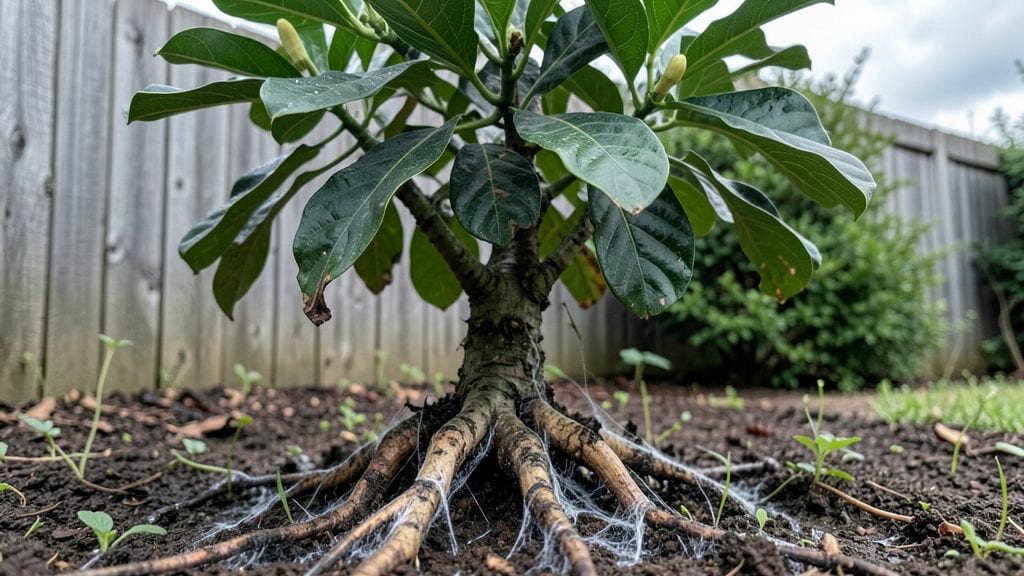
When your avocado plant’s leaves start wilting despite regular watering, root rot might be the culprit. 🌱 I’ve nursed back several plants from this silent killer by catching it early—before the roots turn mushy and the smell hits.
The first sign is often yellowing leaves paired with soil that stays soggy for days, even after watering.
Root rot thrives in three conditions: overwatering, poor drainage, and fungal infections. I learned the hard way that avocados hate "wet feet"—they need soil that dries out between waterings. A simple pot with drainage holes or a mix of cactus soil and perlite can make all the difference.
If you’ve been watering on a schedule, switch to checking the top inch of soil first.
Here’s the good news: with quick action, you can save your plant. Trim any blackened roots, repot in fresh, sterile soil, and cut back on watering. A fungicide like neem oil can help fight infections, but prevention is easier—just let the soil dry out between drinks.
Within weeks, you’ll see new growth pushing through.
This works for both potted plants and those in the ground, though container plants are easier to rescue. The key is acting fast—root rot spreads faster than you’d think. Once you spot the signs, treat it like a medical emergency for your avocado. Your plant’s second chance starts now.
Root Rot’s Hidden Triggers
Avocado root rot is a silent killer, often striking when conditions are just right for fungal or bacterial pathogens to take hold. Understanding the root causes—literally—helps you prevent or treat the issue before it’s too late. Here’s why your avocado’s roots might be rotting away:
Avocados thrive in well-draining soil, but when they sit in soggy conditions, their roots suffocate. Here’s how it happens:
- Waterlogged soil cuts off oxygen to roots, creating the perfect anaerobic environment for Phytophthora fungi (a common root rot culprit).
- Compacted or clay-heavy soil holds excess moisture, preventing roots from drying between waterings.
- Lack of drainage holes in pots traps water, while outdoor beds with poor slope or mulch layers can mimic the same effect.
Actionable fix: Amend soil with perlite, sand, or coconut coir to improve aeration. Elevate pots or plant in raised beds to encourage runoff.
Root rot isn’t just about water—it’s often a microbial party crashing your avocado’s roots. These pathogens thrive in damp, warm conditions:
- Phytophthora spp. (water mold): Spreads rapidly in wet soil, blocking water and nutrient uptake.
- Pythium spp.: Another water-loving fungus that attacks young roots, causing them to turn brown and mushy.
- Bacterial soft rot (Erwinia spp.): Less common but devastating, causing roots to collapse into a foul-smelling sludge.
Red flag: Yellowing leaves, wilting despite moist soil, or roots that pull away like wet string.
Prevention tip: Sterilize tools between plants, avoid overhead watering, and rotate crops if growing in the same spot.
Avocados prefer slightly acidic soil (pH 6.0–7.0). When pH strays too high or low:
- Alkaline soil (pH >7.5) reduces nutrient availability, weakening roots and making them susceptible to rot.
- Acidic soil (pH <5.5) can increase aluminum toxicity, damaging root cell walls and inviting pathogens.
Test your soil: Use a simple pH kit or send a sample to a local extension office. Adjust with sulfur (to lower pH) or lime (to raise it) as needed.
Physical stress to roots—even from well-meaning gardeners—can create entry points for rot:
- Over-pruning roots during transplanting shocks the plant, slowing recovery.
- Buried mulch or soil mounds smother roots, trapping moisture and blocking airflow.
- Mechanical injury from digging or heavy tools can wound roots, inviting infections.
Pro tip: When repotting, trim only damaged roots with sterilized shears. Keep mulch 2–3 inches away from the stem.
Extreme conditions weaken avocado roots, making them vulnerable to rot:
- Cold temperatures (below 50°F/10°C) slow root activity, while heat stress (above 90°F/32°C) can scorch roots.
- Flooding or drought cycles confuse the plant’s moisture regulation, leading to overwatering or underwatering extremes.
Solution: Mulch heavily in winter, provide shade cloth in summer, and maintain consistent moisture (not soggy or bone-dry).
Malnourished avocados lack the energy to fight off rot. Key deficiencies include:
- Low potassium (K): Weakens root cell walls, making them prone to collapse.
- Zinc or magnesium deficits: Impair root growth and disease resistance.
- Excess nitrogen (N): Encourages lush foliage but starves roots of other essential nutrients.
Boost roots: Apply a balanced fertilizer (e.g., 6-6-6) in early spring, with extra potassium if rot is suspected.
Key takeaway: Root rot is rarely a single culprit—it’s usually a combo of poor drainage, pathogens, and stress. Address all three layers (water, microbes, and plant health) to save your avocado!
Revive Your Avocado Tree Now
Root rot in avocado plants is a serious issue, but with the right steps, you can nurse your plant back to health—and even prevent future outbreaks. Below, we’ve mapped out practical solutions based on the most common causes, along with prevention tips to keep your avocado thriving.
Problem: Soggy soil suffocates roots, leading to rot. Solution:
- 🔥 Step 1: Stop Watering Immediately Let the top 2–3 inches of soil dry out completely before watering again. Stick your finger in the soil—if it’s damp, wait.
- 🍳 Step 2: Improve Drainage Move your pot to a well-draining location (e.g., a raised bed or container with drainage holes). If repotting is needed, choose a terracotta or fabric pot—they breathe better than plastic.
- 👨🍳 Step 3: Adjust Your Watering Routine Avocados hate wet feet! Water deeply but infrequently—once every 1–2 weeks, depending on climate. In winter, reduce watering by half.
- 💡 Pro Tip: Add perlite or coarse sand to the soil mix (20% max) to improve aeration.
Problem: Fungi like Phytophthora thrive in wet conditions. Solution:
- 🔪 Step 1: Prune Damaged Roots Gently remove the plant from its pot and trim soft, black, or mushy roots with sterilized scissors. Keep only firm, white roots.
- 🌡️ Step 2: Disinfect the Soil Replace at least the top 50% of soil with a fresh, sterilized potting mix (baking soil at 200°F for 30 mins kills fungi). Add 1 part perlite to 3 parts cactus/succulent mix for extra protection.
- 🎯 Step 3: Apply Fungicide Spray the roots and soil with a copper-based fungicide (like Bordeaux mixture) or hydrogen peroxide (3%) to kill lingering spores.
- ✨ Prevention: Space plants for airflow and avoid overhead watering.
Problem: Compacted or nutrient-poor soil traps moisture. Solution:
- 🥘 Step 1: Repot with the Right Mix Use a fast-draining blend: 60% cactus/succulent mix + 30% perlite/pumice + 10% compost. Avoid garden soil—it’s too dense.
- ⏰ Step 2: Check the Pot Size If roots are circling the bottom, upgrade to a slightly larger pot (just 1–2 inches wider). Overly large pots hold excess moisture.
- 💡 Pro Tip: Elevate pots on feet or a saucer with pebbles to prevent water pooling.
Problem: Cold drafts or high humidity stress roots. Solution:
- 🔥 Step 1: Move to a Warmer Spot Avocados thrive in 60–80°F (15–27°C). Keep them away from AC vents, drafts, or cold windows.
- 🌡️ Step 2: Control Humidity If your home is damp, use a dehumidifier near the plant or place it on a gravel tray (not submerged in water).
- 💡 Prevention: Mist leaves only in the morning to allow foliage to dry quickly.
If more than 50% of roots are rotted, your plant may not recover. But try: 1. 🌱 Root Pruning + Hormone Treatment Trim remaining roots, dip in rooting hormone, and repot in fresh, sterile soil.
- 💧 Hydration Reset Water lightly for 2 weeks, then gradually increase as new roots grow.
- 🌿 Propagate from a Healthy Stem If the trunk is still firm, take 6-inch cuttings and propagate in water or perlite mix.
🌟 Final Prevention Checklist: ✅ Water only when soil is dry (finger test!) ✅ Use pots with drainage holes ✅ Avoid over-fertilizing (too much nitrogen = weak roots) ✅ Inspect roots every 3 months for early signs of rot
With these steps, your avocado can bounce back—and stay healthy for years to come! 🥑💚
Frequently asked questions about avocado root issues
How do I tell if my avocado plant has root rot?
Check for yellowing leaves, wilting despite moist soil, and a foul odor from the pot. Gently remove the plant and inspect roots—healthy roots are firm and white, while rotted roots are mushy, black, or smell like decay. If more than half the roots are damaged, recovery may be difficult.
Can I save an avocado plant with severe root rot?
Possibly! Trim all black/mushy roots, repot in sterile, fast-draining soil, and use a copper fungicide to stop fungal spread. If the trunk is still firm, propagate healthy stems while the plant recovers. Severe cases (over 50% rot) often require starting fresh with cuttings.
Why does my avocado plant need so much water if it has root rot?
Root rot thrives in overwatered conditions—avocados actually prefer dry soil between waterings. The confusion comes from wilting leaves (a root rot symptom) making it seem like the plant needs hydration. Always check soil moisture before watering—stick your finger in first!
What’s the best soil mix to prevent root rot?
Use a blend of 60% cactus/succulent mix, 30% perlite/pumice, and 10% compost. This prevents compaction while providing nutrients. For outdoor plants, amend clay soil with sand or coconut coir to improve drainage.
Will neem oil help with avocado root rot?
Neem oil works best for foliar fungal issues, but it can help prevent root rot when used as a soil drench (mixed with water). For active rot, combine it with copper fungicide and improve drainage. Focus on fixing waterlogged conditions first—neem alone won’t reverse severe damage.