
Pruning
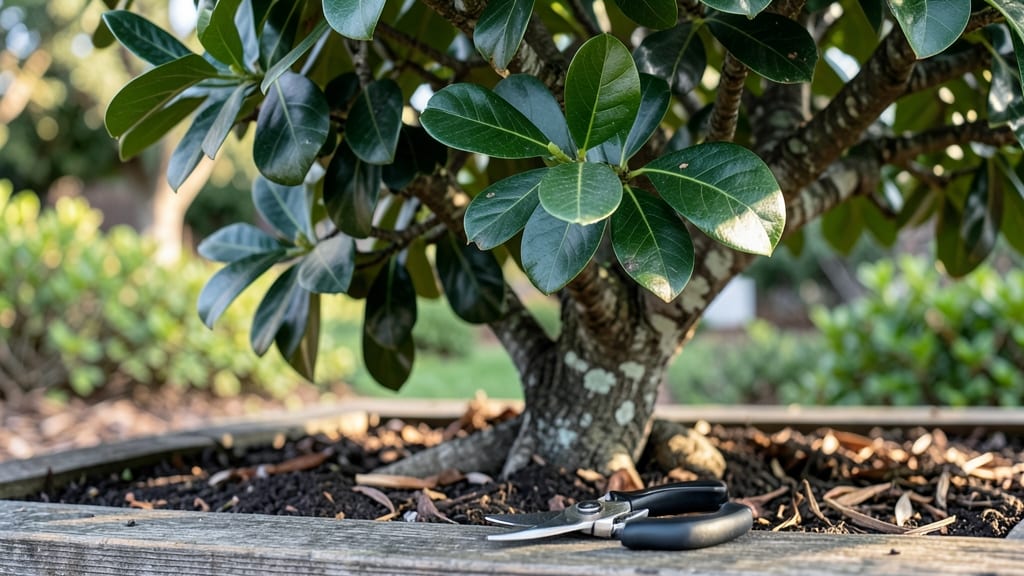
Cutting back your avocado plant isn’t just about shaping it—it’s about unlocking stronger roots and bigger harvests. 🌱 I’ve pruned mine for three years now, and the difference between a leggy, fruitless bush and a sturdy, productive tree comes down to a few key cuts.
The right timing and technique can double your fruit production while keeping the plant healthy.
You’ll need sharp pruning shears, rubbing alcohol for sterilizing cuts, and a clear day to work. The best time to cut back is late winter or early spring, just before new growth starts.
Avoid pruning during active fruit production—this stresses the plant and reduces yields. Focus on removing dead wood, crossing branches, and thinning out crowded growth to improve airflow.
When you make your cuts, always prune just above a leaf node (the bump where leaves grow) at a 45-degree angle. This encourages new shoots to grow outward rather than inward.
After pruning, your plant will send out fresh, vibrant growth within weeks, and you’ll notice thicker stems and more energy directed toward fruit production by midsummer.
Here’s the kicker: over-pruning is the fastest way to kill your plant’s momentum. Never remove more than 25% of the foliage in one session, and skip pruning entirely if your tree is already struggling.
The goal is balance—shape it for sunlight and airflow, but never sacrifice its ability to feed itself. Ready to transform that scraggly bush into a fruit powerhouse?
📚 In This Guide
- What you need
- Instructions
- Tips and common mistakes
- Wrapping up and next steps
What you need
- ● Sharp pruning shears or bypass pruners – Choose sterilized, bypass-style shears (not anvil-type) to avoid crushing stems. A 10-12 inch blade works best for most avocado plants.
- ● Clean, sharp pruning saw – For thicker branches (over ½ inch in diameter). A folding pruning saw is ideal for tight spaces.
- ● Rubbing alcohol (70% or higher) – 1 small bottle (4 oz) to sterilize tools before and after pruning.
- ● Garden gloves – 1 pair of cut-resistant, breathable gloves (avocado leaves can be prickly!).
- ○ Pruning sealant (optional but recommended) – 1 small tube (like Tree Seal or Tanglefoot) to coat large cuts and prevent disease.
- ● Disposable plastic bags or bucket – 1-2 large bags (13-gallon size) to collect pruned branches and leaves.
- ● Hose with nozzle or bucket of water – For cleaning tools and rinsing sap off cuts.
- ● Handheld leaf blower or broom – To clear debris from the work area quickly.
- ● Disinfectant spray (e.g., hydrogen peroxide 3%) – For spot-cleaning tools mid-pruning.
- ● Ladder or step stool – If your avocado plant is taller than 6 feet.
- ● Compost bin or shredder – To recycle pruned material into nutrient-rich compost.
Step-by-step instructions for pruning avocado plants
Here’s how to give your avocado tree a healthy reset—stronger roots, better airflow, and more fruit.
✂️ Step 1: Identify and Remove Dead or Diseased Branches
Start by inspecting your tree for any branches that are brown, brittle, or oozing sap—these are dead or diseased and need to go. Grab your clean, sharp pruning shears and make a cut about ¼ inch above a healthy bud or outward-facing leaf. Never leave stubs; they invite rot and pests.
I always work from the bottom up, so I can see the full structure of the tree as I go. If a branch is thicker than ½ inch in diameter, use your pruning saw instead. Cut just outside the branch collar—the swollen area where the branch meets the trunk—to promote faster healing.
✂️ Step 2: Thin Out Overcrowded Growth
Next, focus on thinning out branches that are growing inward or crossing over each other. These compete for sunlight and nutrients, weakening the tree. Aim to create an open center with 6-12 inches of space between branches—this improves airflow and reduces humidity, which helps prevent fungal diseases.
When thinning, remove about ⅓ of the total foliage to avoid shocking the plant. Start with the smaller branches first, then move to larger ones. If you’re unsure which to cut, I like to step back and visualize the tree’s natural shape—avocados thrive with a vase-like form, wider at the top than the bottom.
✂️ Step 3: Shape the Tree for Balance and Airflow
Now it’s time to shape the tree. Avocados respond well to light pruning, so focus on removing branches that grow straight up or downward—these don’t contribute to the tree’s stability. Instead, encourage horizontal growth by cutting just above a bud that’s angled outward.
For young trees, I prune to create a strong central leader—the main upward-growing branch. For mature trees, aim to maintain a balanced canopy. Never remove more than 25% of the foliage in one session, or you’ll stress the tree. If you’re pruning heavily, space it out over a few weeks.
🌱 Step 4: Prune for Fruit Production
To encourage more fruit, target branches that are producing small, underdeveloped avocados. Cut back these branches by ⅓ of their length to redirect energy toward fewer, larger fruits. Also, remove any "water sprouts"—those fast-growing, weak shoots that pop up along the trunk or branches.
Here’s the thing—avocados fruit on new growth, so pruning in late winter or early spring (just before the growing season kicks in) gives the tree time to recover and produce new shoots. Avoid pruning in fall, as the tree needs all its energy to prepare for winter dormancy.
✂️ Step 5: Clean Up and Seal Cuts (If Needed)
After pruning, rake up and dispose of all debris—this prevents pests and diseases from lingering. If your tree is particularly large or you’ve made big cuts, you can seal them with a thin layer of pruning sealant to protect against infection. For small cuts, I skip this step; avocados heal quickly in warm, dry conditions.
Finally, water the tree deeply to help it recover. You’ll notice new growth within 4-6 weeks, and the tree will look fuller and healthier. Pruning might seem intimidating at first, but once you see how much better the tree looks—and how much fruit it produces—you’ll be hooked.
Tips & tricks for pruning avocado plants like a pro
Pruning your avocado tree might seem tricky at first, but these insider tricks will help you achieve a healthier, fruitier plant with confidence.
Tool Selection Matters: Always use clean, sharp pruning shears for cuts up to ½ inch in diameter—they make cleaner cuts that heal faster. For thicker branches, a pruning saw is essential, but make sure it's sterilized to prevent spreading disease. I learned this the hard way after struggling with ragged cuts that took forever to heal.
Visualize the Vase Shape: Avocados naturally grow in a vase-like form, wider at the top than the bottom. When shaping in Step 3, step back frequently to visualize this shape. Remove any branches growing straight up or downward—they create weak spots and block sunlight from reaching lower branches. This simple trick makes all the difference in creating a strong, balanced tree.
Timing is Everything: The instructions mention pruning in late winter or early spring, but here's what nobody tells you—morning is the best time to prune. The tree has all day to recover before evening, and you avoid the stress of midday heat. If you must prune in summer, do it on a cloudy day to reduce water loss through the fresh cuts.
Watering After Pruning: That final deep watering in Step 5 isn't just about hydration—it helps the tree recover from the shock of pruning. I like to add a slow-release fertilizer to the water to give the tree a nutrient boost as it starts new growth. This combination helps prevent transplant shock and promotes faster recovery.
Pro Tips for Cut Back Avocado Plant
- Pruning your avocado tree might seem tricky at first, but these insider tricks will help you achieve a healthier, fruitier plant with confidence.
- Tool Selection Matters: Always use clean, sharp pruning shears for cuts up to ½ inch in diameter—they make cleaner cuts that heal faster.
- Visualize the Vase Shape: Avocados naturally grow in a vase-like form, wider at the top than the bottom.
Frequently asked questions
about cutting back avocado plants can help you avoid common mistakes and ensure healthy growth. Here are some of the most common queries:When is the best time to prune an avocado tree?
The ideal time to prune your avocado tree is during its dormant season—late winter or early spring (just before new growth starts). Avoid heavy pruning in summer or fall, as this can stress the tree and make it vulnerable to pests or disease. Light shaping pruning can be done year-round, but major cuts should wait for the right season.
How much can I cut back without harming the tree?
You can safely remove up to 25-30% of the tree’s foliage in one session, but avoid over-pruning. For young trees, limit cuts to 10-15% to encourage strong root and branch development. Always prioritize removing dead, diseased, or crossing branches first. If you’re unsure, start conservatively and monitor the tree’s recovery.
Will pruning my avocado tree reduce fruit production?
Pruning can temporarily reduce fruit yield, but it’s a trade-off for long-term health. Proper pruning improves airflow, reduces disease risk, and directs energy toward stronger growth and more fruit in future seasons. If you’re pruning to encourage flowering, focus on removing dense or weak branches rather than drastic cuts.
Can I propagate new avocado plants from my pruned cuttings?
Yes! Avocado trees root easily from semi-hardwood cuttings (taken in late spring or early summer). Choose healthy, pencil-thick stems (about 12-18 inches long) with at least one leaf node. Dip the cut end in rooting hormone, plant in well-draining soil, and keep it moist. Success rates improve with patience—rooting can take 4-8 weeks!
What should I do if my avocado tree looks stressed after pruning?
If your tree shows signs of stress (yellowing leaves, wilting, or slow recovery), act fast:
- Ensure it’s well-watered but not soggy.
- Apply a balanced fertilizer (like 10-10-10) to support regrowth.
- Avoid pruning again until new growth appears (usually 4-6 weeks).
- Watch for pests—stressed trees attract mites or scale insects.
Wrapping up and next steps
Pruning your avocado plant doesn’t have to be intimidating—it’s all about strategic cuts to boost health, encourage fruit production, and keep your tree manageable. 🌱 By following the right techniques, you’ll reward yourself with a stronger, more productive plant in no time.
Now that you’re armed with the know-how, grab those shears and get ready to give your avocado tree the care it deserves!
Ready to take the next step? Monitor your plant’s growth after pruning and adjust as needed. Happy trimming—and enjoy those delicious avocados in the future! 🥑✨