
Blooming
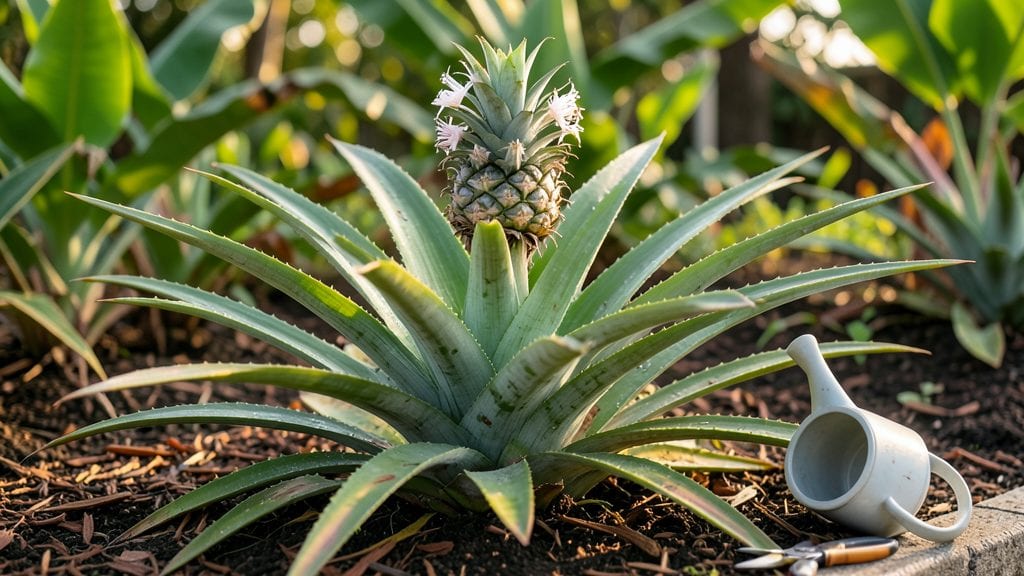
Your pineapple plant bloom is within reach—but only if you know the hidden triggers that turn those spiky green leaves into a fragrant, fruiting crown.
Growing a 🍍 pineapple from a fruit top is thrilling, but most plants never bloom because they miss the critical signals: temperature spikes, light intensity, and a carefully timed nutrient shift. Without these, your plant stays lush but fruitless for years.
Here’s the secret: pineapples need a 3-month window of precise care—starting with warmth, moving to stress signals, and ending with the right fertilizer boost. Skip one step, and you’ll be waiting another two years for that first golden fruit.
In this guide, I’ll walk you through the exact temperature adjustments, light tricks, and fertilizer schedule that force your pineapple to bloom in 18 months—not 3 years. Ready to turn those leaves into fruit?
How to trigger a pineapple plant bloom for first-time fruit
Your pineapple plant might look healthy with lush green leaves, but without the right blooming triggers, it’ll never produce that coveted pineapple fruit. The key is understanding how to mimic tropical conditions and signal your plant it’s time to flower.
Most pineapples take 18-24 months to bloom naturally, but with these proven techniques, you can speed up the process and enjoy your first harvest sooner.
Pineapple plants (Ananas comosus) are tropical perennials that rely on specific environmental cues to initiate flowering. In their native Brazilian rainforests, they respond to temperature shifts, day length changes, and even stress signals like drought or ethylene gas exposure.
Recreating these conditions in your home or greenhouse is the secret to triggering that first bloom.
Step-by-Step Guide to Induce Pineapple Blooming
-
Step 1: Ensure Full Sun Exposure
Place your pineapple plant in a location with 6+ hours of direct sunlight daily. South-facing windows or grow lights work best. Without sufficient light, the plant won’t develop the energy needed for flowering.
-
Step 2: Adjust Temperature Gradually
Pineapples thrive in 70-85°F (21-29°C) temperatures. To trigger blooming, lower nighttime temps to 60-65°F (15-18°C) for 2-4 weeks. This temperature drop mimics seasonal changes and signals the plant to flower.
-
Step 3: Use Ethylene Gas Exposure
Ethylene gas is a natural plant hormone that triggers flowering. Place a ripe apple or banana near your pineapple plant (or use an ethylene-releasing powder) for 3-5 days. This mimics the fruit’s natural ripening cues.
-
Step 4: Apply a Phosphorus-Rich Fertilizer
Switch to a 10-20-10 or 5-10-5 fertilizer (high in phosphorus) to encourage blooming. Apply it every 4-6 weeks during the growing season. Avoid nitrogen-heavy fertilizers, which promote leaf growth but delay flowering.
-
Step 5: Induce Mild Water Stress
Reduce watering slightly for 2-3 weeks to create mild stress. Let the top 1-2 inches of soil dry out between waterings. This trick works because pineapples in the wild often face dry seasons, which triggers flowering.
-
Step 6: Monitor for Bloom Signals
Watch for a red or purple bud emerging from the center of the plant. If successful, this will grow into a pineapple flower within 2-4 weeks. Once bloomed, the flower will turn into a fruit in 4-6 months.
If your pineapple plant is over 18 months old and still hasn’t bloomed, don’t panic. Some varieties are slower to flower, especially if they’re growing in cooler climates or small containers.
The key is consistency—maintain those temperature adjustments, light conditions, and fertilizer changes for at least 3-6 months before expecting results.
Once your pineapple plant finally blooms, you’ll notice a spiky, tropical flower emerge from the center. This flower will eventually turn into a small pineapple fruit, but it may take 4-6 months to fully ripen.
During this time, keep your plant in bright, indirect light and maintain consistent moisture—but avoid overwatering, as soggy soil can cause rot.
Pro tip: If you’re growing your pineapple in a container, choose a pot with drainage holes and use a well-draining cactus or succulent mix. Pineapples hate waterlogged roots, so always ensure excess water drains away quickly.
A terracotta pot is ideal because it wicks away moisture and prevents root rot.
Remember, patience is key. Even with the best care, some pineapple plants take up to 2 years to bloom for the first time. But once you see that first flower, all the effort will be worth it—especially when you’re holding your homegrown pineapple fruit just months later!
🌱
Best fertilizers and soil conditions for pineapple blooming success
To coax your pineapple plant into blooming, you need to master the delicate balance between nutrient ratios and soil conditions. Pineapples thrive when their soil is slightly acidic, with a pH between 4.5 and 6.5.
This mimics their tropical rainforest habitat, where organic matter decomposes quickly, enriching the soil naturally. Without the right conditions, even the healthiest-looking pineapple plant may never produce that coveted flower spike.
Your fertilizer strategy should shift from nitrogen-heavy growth to phosphorus-rich blooming once your plant reaches maturity. A 10-10-10 NPK ratio is ideal during early growth, but switch to a 5-10-10 or 6-12-12 blend when you're ready to trigger flowering.
This higher phosphorus content signals the plant to focus on reproductive growth rather than leaf production. Micronutrients like magnesium and potassium also play critical roles in flower development.
Organic vs. synthetic fertilizers is another key decision point. Organic options like fish emulsion, compost tea, or worm castings release nutrients slowly, mirroring natural tropical conditions. Synthetic fertilizers offer precise control but can burn roots if overapplied. For me, a balanced approach works best: I use organic fertilizers during the growing season and switch to a synthetic bloom booster like 15-30-15 when I see the plant's leaves turning slightly purple—an early sign of phosphorus deficiency.
| Factor | Ideal Specification | Why It Matters |
|---|---|---|
| Soil pH | 4.5–6.5 (slightly acidic) | Mimics tropical rainforest conditions; unlocks micronutrient availability |
| NPK Ratio (Growth) | 10-10-10 (balanced) | Encourages strong root and leaf development for 12–18 months |
| NPK Ratio (Blooming) | 5-10-10 or 6-12-12 | Higher phosphorus triggers flower spike production |
| Micronutrients | Magnesium, Calcium, Iron | Prevents yellowing leaves and supports enzyme function |
| Organic Matter | 30–40% compost or peat | Improves drainage and microbial activity for nutrient uptake |
| Drainage | Well-draining, aerated soil | Prevents root rot; critical for tropical plants |
Don't overlook the role of soil texture—pineapples despise soggy roots. I always mix perlite or coarse sand into my potting soil to create air pockets. This prevents compaction and ensures roots can access both water and oxygen.
For container-grown pineapples, I repot every 18–24 months into a slightly larger pot to accommodate root growth. Fresh, well-aerated soil gives your plant the energy it needs to shift from vegetative to reproductive growth.
One of my favorite tricks to encourage blooming is a light stress period combined with the right nutrients. Reduce watering slightly for 2–3 weeks while maintaining the 5-10-10 fertilizer schedule. This mimics the dry season in tropical climates and can trigger flowering.
Just be careful—too much stress will harm the plant, while the right balance sends it the signal to bloom. Pair this with a warmth boost (75–85°F) and you'll see that flower spike emerge within 4–6 weeks.
Finally, monitor your pineapple plant's leaf color and growth rate as key indicators. Healthy leaves should be deep green and slightly waxy. If you notice purple tinges on the undersides, it’s a sign of phosphorus deficiency—time to adjust your fertilizer!
With the right soil conditions and nutrient balance, your pineapple plant will reward you with a stunning red or purple flower spike in as little as 18 months. 🌱