Flowers
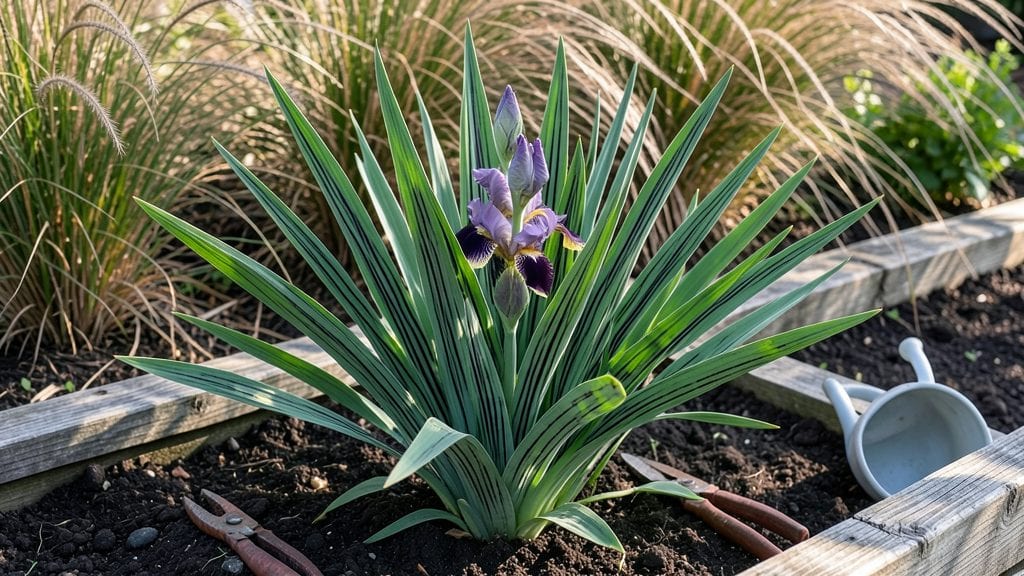
Growing zebra iris plants in your garden means adding bold, striped blooms that stand out like a living work of art. ✨ I fell in love with their dramatic black-and-yellow stripes the first time I saw them, and now they’re the star of my sunny border.
These irises aren’t just pretty—they’re tough, too, thriving where other flowers struggle.
The secret to their success starts with the right spot: full sun and well-draining soil. Plant rhizomes just below the soil surface in early fall or late winter, spacing them 12–18 inches apart.
Water them deeply after planting but let the soil dry between waterings—zebra irises hate soggy roots. A little mulch helps retain moisture while keeping weeds at bay.
By mid-to-late spring, you’ll be rewarded with tall, striking stems topped with those signature striped blooms. They multiply over time, creating natural clumps that spread gracefully. Even better? Deer and rabbits usually leave them alone, making them a low-maintenance showstopper for any sunny garden.
For experienced gardeners, divide clumps every 3–4 years to keep them vigorous, and watch for iris borers—tiny pests that can damage leaves. A quick spray of neem oil usually does the trick. With the right care, these bold beauties will bring drama to your garden for decades.
📚 In This Guide
- What you need
- Instructions
- Tips and common mistakes
- Wrapping up and next steps
What you need
- ● Zebra Iris rhizomes: 3–5 healthy, firm rhizomes (look for plump, eye-free ones with no signs of rot).
- ● Well-draining soil: A mix of native soil (60%), compost (30%), and perlite or coarse sand (10%) for aeration. Avoid heavy clay!
- ● Sunny planting spot: At least 6–8 hours of direct sunlight daily (they love full sun!).
- ● Organic mulch: 1–2 inches of straw, pine needles, or wood chips to retain moisture and regulate temperature.
- ● Slow-release fertilizer: A balanced 10-10-10 or low-phosphorus (5-10-10) formula to avoid leaf burn.
- ● Garden trowel or shovel (for digging).
- ● Pruning shears (to trim dead foliage or divide clumps).
- ● Garden gloves (rhizomes can be sharp!).
- ● Watering can or hose with a gentle spray nozzle (irises hate soggy roots!).
- ● Measuring tape or ruler (to space rhizomes 12–18 inches apart).
- ● Drip irrigation system (to keep soil evenly moist without overwatering).
- ● Epsom salt (1 tbsp per gallon of water monthly for magnesium boosts).
- ● Pest deterrents: Neem oil (for aphids) or diatomaceous earth (for slugs).
- ● Garden stakes or rings (to support tall blooms in windy areas).
Step-by-step instructions for planting and caring for zebra iris
Here’s how to grow these striking striped beauties with minimal fuss—just follow these simple steps.
🌱 Step 1: Choose the Right Location and Prepare the Soil
Zebra iris thrives in full sun, so pick a spot that gets at least 6 hours of direct sunlight daily. These plants tolerate heat well, making them perfect for sunny gardens or borders. Before planting, loosen the soil to a depth of 12 inches—zebra iris roots need room to spread and access nutrients.
Amend the soil with 2-3 inches of compost to improve drainage and fertility. Zebra iris hates soggy roots, so if your soil drains poorly, mix in sand or perlite to create a well-draining mix. Test the soil pH—these plants prefer a slightly acidic to neutral range (6.0-7.0). If your soil is too alkaline, add sulfur or peat moss to adjust.
🪴 Step 2: Plant Rhizomes at the Correct Depth and Spacing
Zebra iris grows from rhizomes, not bulbs, so handle them carefully. Plant them 2-3 inches deep with the top third exposed—this ensures they get enough sunlight for photosynthesis. Space rhizomes 12-18 inches apart in rows 2-3 feet apart for mature plants. Crowding leads to competition for nutrients and weaker blooms.
Gently spread the roots outward as you place the rhizome in the hole. Press the soil lightly around it but don’t compact it—roots need air to breathe. Water deeply right after planting to settle the soil and encourage root growth. Avoid overwatering, though; zebra iris prefers moderate moisture and can rot in soggy conditions.
☀️ Step 3: Water and Fertilize for Strong Growth
Water zebra iris deeply once a week during the first growing season to establish roots. Once established, they’re drought-tolerant but will bloom best with consistent moisture. You’ll know it’s time to water when the top inch of soil feels dry. Avoid wetting the leaves—water at the base to prevent fungal issues.
Apply a balanced, slow-release fertilizer (like 10-10-10) in early spring as new growth appears. Follow the package instructions, but don’t overdo it—zebra iris is low-maintenance and doesn’t need heavy feeding. A light top-dressing of compost in fall keeps the soil fertile without risking over-fertilization.
✂️ Step 4: Prune and Divide for Long-Term Health
After the blooms fade, cut back the stems to the ground but leave the fan of leaves intact. This keeps the plant tidy and redirects energy to next year’s blooms. Zebra iris doesn’t need much pruning, but removing spent flowers prevents seed production, which can weaken the plant.
Every 3-4 years, divide congested clumps in early spring or fall. Dig up the rhizomes, separate the fans, and replant the healthiest sections. This rejuvenates the plant and prevents overcrowding. Discard any rhizomes that look mushy or diseased—healthy ones should feel firm and plump.
⏰ Step 5: Protect and Enjoy Year-Round
Zebra iris is perennial and hardy, but it benefits from a 2-3 inch layer of mulch in winter to insulate roots in colder climates. In spring, remove the mulch once new growth appears. These plants are deer and rabbit-resistant, making them a low-maintenance choice for wildlife-prone areas.
With minimal care, zebra iris will reward you with bold, striped blooms for years. The key is good drainage, sunlight, and occasional division—no fuss, just stunning results. Watch for new shoots in early spring as your first sign of success!
Tips & tricks for perfect zebra iris planting
Here's what I've learned from years of growing these striking striped beauties—simple tricks that make all the difference.
Sunlight Strategy: Those 6 hours of direct sunlight are non-negotiable, but here's the thing—morning sun is gentler than afternoon heat. If you're in a hot climate, position your zebra iris to get afternoon shade during peak summer months. I've seen plants struggle when baked all day in 90°F+ temperatures.
Rhizome Placement: The top third exposed rule is crucial, but don't just eyeball it. Use a ruler to measure exactly 2-3 inches deep—any deeper and you'll smother the rhizome, any shallower and it won't establish properly. I mark my planting holes with a stake to ensure consistency across multiple plants.
Watering Wisdom: That once-a-week watering guideline works for average conditions, but your mileage may vary. In my experience, containers dry out faster than garden beds—water every 4-5 days instead. And here's a pro move: water in the morning so leaves have all day to dry, preventing fungal issues that can rot those gorgeous striped leaves.
Division Timing: The 3-4 year division schedule is perfect, but pay attention to your climate. In warmer zones, divide in early spring to give roots time to establish before summer heat. In colder areas, fall division works better—roots won't be shocked by winter cold. I always check for new shoots in early spring as my cue to divide established clumps.
Pro Tips for Zebra Iris Plants
- Here's what I've learned from years of growing these striking striped beauties—simple tricks that make all the differ...
- Sunlight Strategy: Those 6 hours of direct sunlight are non-negotiable, but here's the thing—morning sun is gentler t...
- Rhizome Placement: The top third exposed rule is crucial, but don't just eyeball it. Use a ruler to measure exactly 2...
Frequently asked questions
Got questions about zebra iris plants?
You’re not alone! Here are some of the most common queries—plus quick, practical answers to help you grow these striking striped beauties with confidence.
How do I know if my zebra iris is getting enough sunlight?
Zebra irises love sunlight! Plant them in a spot with 6–8 hours of direct sun daily. Yellowing leaves or sparse blooms? It might be too shady. If leaves scorch (brown edges), they’re getting too much sun—try partial shade in hot climates. Pro tip: Morning sun + afternoon shade works well in intense heat.
When is the best time to plant zebra iris bulbs?
For spring blooms, plant rhizomes (those thick, flat roots) in early fall (4–6 weeks before frost). If you miss that window, early spring (as soon as soil is workable) is your next best bet. Avoid planting in summer heat—rhizomes need time to establish roots before hot weather.
How often should I water zebra iris plants?
Water deeply but infrequently—about once a week (or when the top 2 inches of soil are dry). Once established (after 1–2 years), they’re drought-tolerant! Overwatering causes rot, so never let them sit in soggy soil. Mulch lightly to retain moisture but improve drainage. Yellow leaves? Could be overwatering or poor drainage.
What pests or diseases should I watch for on zebra irises?
Zebra irises are tough but can fall prey to iris borers (tiny moth larvae that tunnel into rhizomes) or aphids. Check for chewed leaves, sawdust-like frass, or wilting—signs of borers. Prevent them by removing old foliage in fall and treating rhizomes with neem oil if needed. Fungal issues (like leaf spot) thrive in wet conditions—ensure good airflow!
Can I grow zebra irises in containers? What’s the best setup?
Yes! Use a wide, shallow container (at least 12 inches deep) with well-draining soil mixed with perlite or sand. Plant rhizomes half-buried (top exposed) and water sparingly. Drainage holes are a must—no soggy pots! Containers dry out faster, so check soil moisture often. Bonus: Move pots to sunnier spots in winter for extra blooms!
Wrapping up and next steps
Zebra iris plants bring a striking, almost wild beauty to gardens with their bold stripes and easy-care nature. Whether you’re a seasoned gardener or just starting, their resilience and vibrant blooms make them a fantastic addition to sunny landscapes.
Ready to level up your garden game? 🌿✨ Grab your zebra iris plants, follow the tips above, and watch your outdoor space transform into a showstopper!
Need more inspiration? Check out complementary perennials or container gardening tips to create an even more dynamic display!