
Succulent
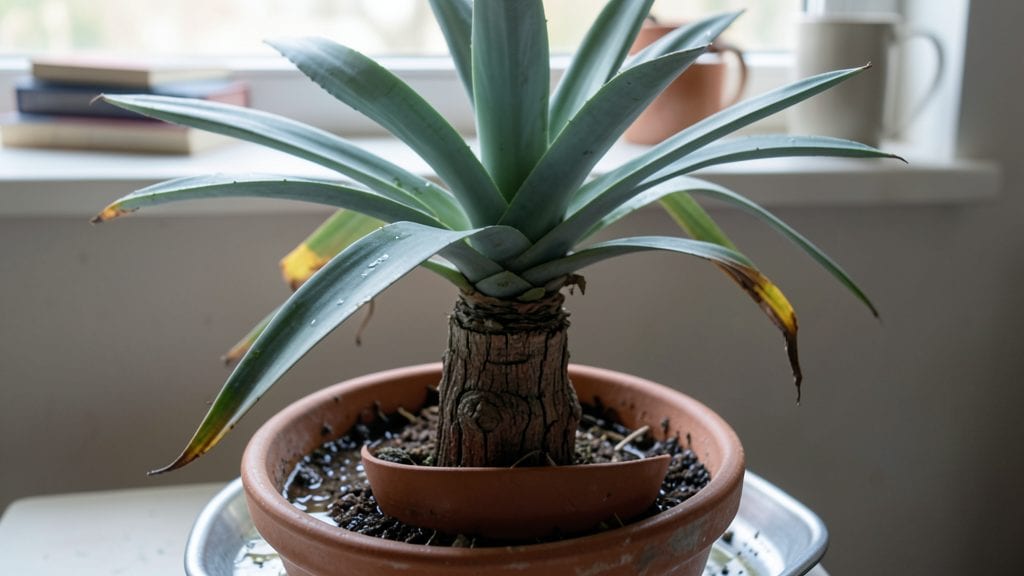
My yucca plant overwatered so badly its leaves turned sad and yellow—here’s the simple trick that revived mine in days. 🌱 The good news? Yuccas are tough, and with a few adjustments, you’ll have it bouncing back in no time.
I’ve revived multiple overwatered plants using these same steps, and the key is stopping the water first.
Here’s the thing—yuccas hate soggy soil. When roots sit in water, they suffocate, turning leaves yellow or brown while stems feel mushy to the touch. My first mistake was waiting too long to act; by the time you see drooping, the roots might already be rotting.
The fix starts with cutting back on water and improving drainage—no more “just a little extra” moisture.
Within days of proper care, you’ll see crisp, upright leaves returning. I test soil moisture with my finger before watering—if it’s still damp two inches down, wait another week. Your plant will thank you with sturdy growth and that classic yucca resilience. Let’s get it back to thriving!
This works for both potted yuccas and those in the ground, though container plants recover faster. If the roots are severely damaged, you might need to repot—but most overwatered yuccas bounce back with just better drainage and patience. Trust the process!
Why it happens
Yucca plants are desert natives, meaning they’ve evolved to thrive in dry, arid conditions where water is scarce. Unfortunately, their resilience can make them too forgiving—until you push them too far.
When a yucca plant gets overwatered, it’s usually due to a mix of human habits and environmental factors that don’t align with its natural needs. Here’s why it happens, broken down into the most common culprits:
💧 Poor Drainage In Containers
Yuccas hate soggy roots, yet many growers unknowingly trap them in containers without proper drainage. Without drainage holes or a well-amended soil mix, excess water pools at the bottom of the pot, suffocating the roots. Even if you water sparingly, the plant can’t escape the moisture, leading to:
- Root rot: Fungal pathogens like Phytophthora or Pythium thrive in waterlogged soil, breaking down root cell walls and cutting off nutrient uptake.
- Oxygen deprivation: Roots need aeration to respire—when submerged in water, they switch to anaerobic metabolism, producing toxic ethanol as a byproduct.
- Nutrient imbalance: Overwatering leaches essential minerals (like nitrogen and potassium) from the soil faster than the plant can absorb them.
Pro tip: Test your pot’s drainage by filling it with water—if it doesn’t drain within 10–15 minutes, it’s a red flag. 🔥
🌧️ Ignoring Seasonal Water Needs
Yuccas are dormant in winter, meaning their metabolic rate slows dramatically. Yet many gardeners keep watering on the same schedule year-round, assuming the plant’s thirst hasn’t changed. In reality:
- Winter overwatering: Cool temperatures reduce evaporation, so the soil stays damp longer. A yucca’s roots can rot in as little as 3–5 days of constant moisture in winter.
- Summer humidity confusion: High humidity (like in monsoon seasons) tricks growers into thinking the plant needs more water—when in fact, the air’s moisture reduces evaporation from the soil.
Actionable fix: Adjust your watering calendar: Spring/Fall = every 2–3 weeks, Summer = every 3–4 weeks, Winter = every 6–8 weeks (or only when the soil is bone-dry). 🌡️
🏡 Indoor Environments Trick The Plant
Indoor yuccas face a double whammy: artificial lighting and controlled climates. Grow lights or south-facing windows can make the plant look healthy, while the lack of natural wind and humidity fluctuations create a false sense of stability. Here’s how it backfires:
| Factor | Effect on Yucca | Result |
|---|---|---|
| Low airflow | Reduced transpiration (water loss through leaves) | Soil stays wet longer → root rot |
| Artificial heat | Increased evaporation from soil surface | Topsoil dries fast, but roots stay soggy below |
| No temperature swings | Disrupted natural drought signals | Plant can’t "tell" when it’s truly thirsty |
Solution: Mimic outdoor conditions indoors—place a small fan nearby (on low) to improve airflow, and let the top 2–3 inches of soil dry out completely before watering again. ✨
🌱 Using The Wrong Soil Mix
Yuccas despise dense, moisture-retentive soils like garden loam or potting mixes heavy in peat. These materials hold water like a sponge, while yuccas need soil that releases water quickly. Common mistakes include:
- Too much organic matter: Peat moss or compost breaks down over time, creating a compacted, waterlogged layer.
- No grit or perlite: Without coarse particles (like pumice or sand), water drains unevenly, pooling in pockets.
- Clay-heavy soils: Clay expands when wet and shrinks when dry, crushing roots and trapping moisture.
Ideal mix: 60% mineral soil (like cactus/succulent mix), 30% coarse sand or perlite, and 10% worm castings for slow-release nutrients. 🎯
📅 Inconsistent Watering Habits
Perhaps the most common offender is inconsistency. Yuccas prefer deep but infrequent watering over shallow, frequent sips. When you:
- Water lightly every few days → encourages shallow root growth (which rots faster).
- Alternate between over- and underwatering → stresses the plant, making it vulnerable to pathogens.
- Use ice cubes or misting → adds humidity around the plant but doesn’t address root-zone saturation.
Rule of thumb: When watering, soak the soil until it runs out the drainage holes. Wait until the entire root ball is dry (stick your finger 2–3 inches down) before repeating. ⏰
How to solve it
If your yucca plant is looking sad with droopy, mushy leaves, don’t panic—it’s likely just suffering from overwatering. The good news? With the right steps, you can nurse it back to health.
Below, we’ll break down the fixes based on the most common causes of overwatering and how to prevent it from happening again. Let’s get your plant thriving once more! 🌱💧
###
🔥 1. Stop Watering Immediately
Before doing anything else, halt all watering. Continuing to water a soggy yucca will only worsen root rot and fungal issues. Let the soil dry out completely—this is the first step to recovery.
How to do it:
- 🚰 Skip watering for at least 1–2 weeks (or longer if the soil feels extremely damp).
- 🌡️ Check soil moisture by sticking your finger 2–3 inches deep. If it’s still wet, wait longer.
- ⚠️ Remove the plant from its pot (if possible) to inspect roots if the soil stays soggy for over a week.
Prevention tip: 💡 Use a moisture meter or the "finger test" to avoid guesswork. Yuccas thrive on the dry side!
###
🍳 2. Improve Drainage for Future Growth
Poor drainage is often the root cause (pun intended) of overwatering. Yuccas hate sitting in wet soil, so let’s fix that.
How to do it:
- 🏗️ Repot if needed—choose a container with drainage holes (if it doesn’t have them, drill some!).
- 🪴 Use well-draining soil: Mix cactus/succulent mix with perlite or pumice (50/50 ratio). Avoid regular potting soil.
- 🧹 Clean out old, compacted soil and replace it with fresh, airy mix to prevent waterlogging.
Prevention tip: ✨ Add a layer of gravel or pebbles at the bottom of the pot to create extra drainage space.
###
👨🍳 3. Trim Damaged Leaves & Roots
If your yucca’s leaves are mushy, yellow, or brown, they’re past saving. Cutting them back helps the plant redirect energy to healthy growth.
How to do it:
- ✂️ Snip off dead or rotting leaves at the base with clean, sharp scissors or pruning shears.
- 🌿 Inspect the roots (if repotting):
- 🟢 Healthy roots are firm and white.
- 🟡 Mushy or black roots = rot. Trim these off with sterilized tools.
- 🧴 Dust cuts with cinnamon or fungicide to prevent infection.
Prevention tip: 🎯 Sterilize your tools with rubbing alcohol before pruning to avoid spreading disease.
###
🥘 4. Adjust Your Watering Schedule
Once your yucca is on the mend, watering less often but deeply is key. Overwatering is usually a habit—let’s break it!
How to do it:
- ⏰ Water every 2–3 weeks (or when the top 2–3 inches of soil are bone-dry).
- 💧 Water thoroughly—soak the soil until water drains out the bottom, then empty the saucer.
- 🌦️ Adjust for seasons:
- 🔥 Summer: Water every 3–4 weeks.
- ❄️ Winter: Water every 4–6 weeks (yuccas go dormant).
Prevention tip: 🌡️ Group yuccas with other succulents—they all love neglect!
###
⏰ 5. Give It Time & Proper Light
Recovery takes patience. A yucca won’t bounce back overnight, but with the right conditions, it will!
How to do it:
- ☀️ Move to bright, indirect light (a south or west-facing window is ideal). Avoid deep shade.
- 🌿 Wait for new growth—healthy leaves will emerge from the center as the plant recovers.
- 🚫 Avoid fertilizing for at least 4–6 weeks post-recovery to let roots heal.
Prevention tip: 💡 Rotate the pot occasionally so all sides get even light exposure.
Final Thought: With these steps, your yucca should perk up in a few weeks. Remember, less water = happier yucca! If you’re unsure, always err on the side of underwatering—your plant will thank you. 🌵💚
Frequently asked questions
How do I know if my yucca plant is truly overwatered?
Check for mushy stems, yellowing or brown leaves near the base, and soil that stays damp even after a week. Stick your finger 2–3 inches deep—if it feels soggy, your plant is getting too much water. Overwatered yuccas often develop a foul smell from rotting roots.
Can I save my yucca if the roots are already rotting?
Yes! Remove the plant from its pot and gently rinse off the soil to inspect the roots. Trim away any black or mushy roots with sterilized scissors, then let the cut ends dry for a day before repotting in fresh, dry soil. This gives the healthy roots a fighting chance.
Why does my yucca look fine but still has soggy soil?
Poor drainage is the culprit! Yuccas hate sitting in wet soil, so check if your pot has drainage holes. If not, drill some or use a cache pot with a saucer. Also, ensure your soil mix includes perlite or pumice—regular potting soil holds too much moisture.
How often should I water my yucca after it recovers?
Once your yucca is healthy again, water every 2–3 weeks in spring/fall and every 3–4 weeks in summer. In winter, cut back to every 6–8 weeks since yuccas enter dormancy. Always wait until the top 2–3 inches of soil are completely dry before watering again.
What’s the best way to prevent overwatering my yucca in the future?
Use the "finger test" to check soil moisture before watering, and switch to a cactus/succulent soil mix with perlite. Group your yucca with other drought-tolerant plants, and avoid bottom-watering (which encourages root rot). A moisture meter can also help you avoid guesswork.