
Watering
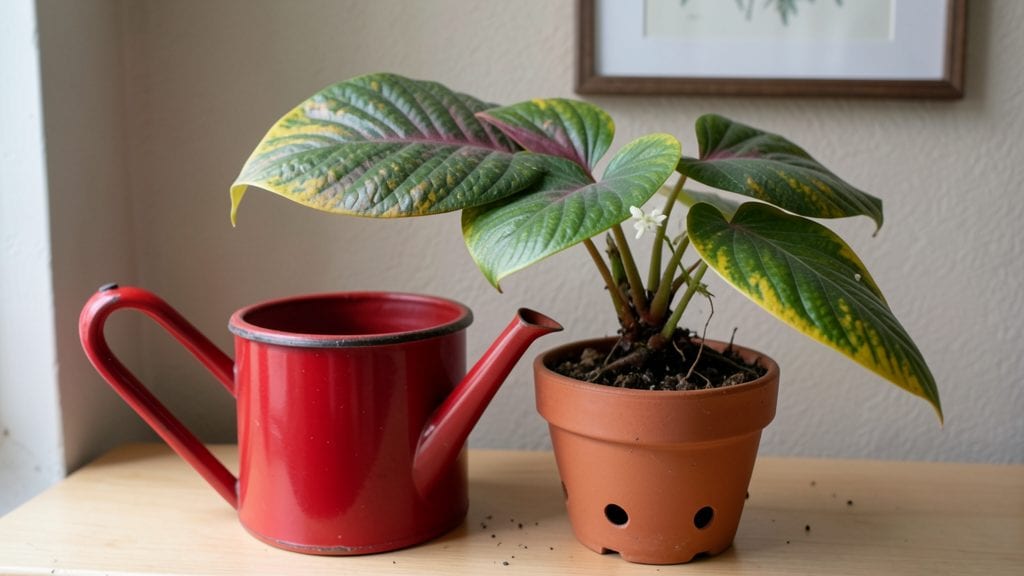
That prayer plant overwatered look—when your once-perky leaves sag like a deflated balloon—isn’t a death sentence, just a call for a little TLC. 🌱 I’ve nursed back more soggy prayer plants than I’d like to admit, and the fix starts with understanding why waterlogged soil turns vibrant foliage into sad, limp fronds.
The key? Stopping the rot before it spreads, then giving your plant the right conditions to bounce back.
Overwatering creates a suffocating environment where roots can’t breathe, leading to yellow leaves, mushy stems, and that dreaded "rotten" smell. The good news? Prayer plants are resilient. Within 7-10 days of proper care, you’ll see crisp, upright leaves returning—if you act fast.
Start by checking the soil: if it’s damp just an inch below the surface, hold off on watering.
Repotting into fresh, well-draining mix is often the game-changer. Use a blend of peat, perlite, and orchid bark to keep moisture in check, and choose a pot with drainage holes.
After repotting, water only when the top 1-2 inches of soil feel dry, and place your plant in bright, indirect light. You’ll notice new growth within 2-3 weeks if the roots are still healthy.
Prevention is easier than rescue: stick your finger in the soil before watering, and never let your prayer plant sit in saucers of standing water. These plants thrive on routine—consistent moisture without drowning.
With the right adjustments, your prayer plant will be back to its prayerful, perky self in no time.
Root Causes of Overwatering
When your Maranta leuconeura (prayer plant) starts looking sad with drooping, yellowing leaves, overwatering is often the sneaky culprit. Unlike drought-tolerant succulents, prayer plants thrive in consistently moist—but not soggy—soil. Understanding the science behind why this happens helps you avoid repeating the same mistakes.
Let’s dig into the real reasons your plant might be getting too much love (in the form of water).
The most common reason prayer plants drown is because their roots can’t escape excess water. Unlike desert plants, prayer plants prefer well-draining but moisture-retentive soil. Here’s why this goes wrong:
- Compacted or heavy soil: Clay-heavy or garden soil mixes don’t allow water to drain quickly. Roots suffocate in anaerobic (oxygen-poor) conditions, leading to root rot (a fungal/bacterial infection).
- No drainage holes: Pots without holes act like bathtubs—water pools at the bottom, and roots sit in it for days. Even "breathable" fabrics (like coconut coir pots) can trap moisture if not monitored.
- Overpotting: A pot too large for your plant’s root system holds excess water longer than the roots can absorb. Think of it like a water balloon—too big, and it stays full.
💡 Pro Tip: Test your soil’s drainage by filling a pot with water and timing how long it takes to drain. If it’s still damp after 30 minutes, your mix is too dense. Amend with perlite, orchid bark, or pumice (20-30% of the mix) to improve airflow.
Prayer plants are tropical—they don’t follow your weekly watering calendar. Their needs change with humidity, light, and temperature. Here’s why sticking to a rigid schedule backfires:
- Ignoring soil moisture: Sticking your finger 1-2 inches into the soil is the only reliable way to check moisture. If it’s still damp, hold off! Many overwaterers assume "every 7 days" is universal, but humidity levels can halve a plant’s water needs.
- Overcompensating for dry spells: If your plant wilts from underwatering, you might drown it trying to revive it. Prayer plants bounce back from drought faster than they recover from rot.
- Seasonal neglect: Winter slows root activity—watering the same amount in December as in July can lead to soggy soil. Reduce water by 30-50% in cooler months.
🌡️ Science Note: Prayer plants absorb water through osmosis—roots pull moisture when the soil’s water potential is higher than the root’s. Overwatering reverses this gradient, forcing roots to "drink" stagnant, oxygen-depleted water, which drowns them.
Your home’s microclimate can amplify overwatering risks. These often-overlooked factors create the perfect storm for root stress:
| Factor | Why It Causes Overwatering | Fix It |
|---|---|---|
| Low Light | Plants slow growth in dim conditions, reducing water uptake. Soil stays wet longer, promoting rot. | Move to bright, indirect light (east/west windows) or supplement with grow lights. |
| High Humidity | Humid air (60%+) slows evaporation, keeping soil moist for days. Roots can’t "breathe" as efficiently. | Aim for 40-50% humidity; use a hygrometer to monitor. |
| Cold Drafts | Cool air (below 65°F) reduces transpiration (water loss through leaves), so soil stays soggy. | Keep away from AC vents, windows in winter, or drafty spots. |
| Tiny or No Pot Size | Small pots dry out fast, but if you’re overwatering to "keep it moist," roots have no escape. | Repot in a container 1-2 inches larger than the root ball for balance. |
✨ Quick Fix: If your home is humid, let the top 3 inches of soil dry out completely between waterings. Use a terracotta pot—it wicks moisture faster than plastic.
Not all water is created equal—and neither is soil. Hidden issues can turn your well-intentioned watering into a root-killing disaster:
- Hard water buildup: High calcium/magnesium in tap water leaves white crust on soil, clogging pores and reducing drainage. Over time, this creates waterlogged "pockets" in the root zone.
- Fertilizer burn: Too much fertilizer (especially synthetic salts) lowers soil’s water-holding capacity. Roots struggle to absorb nutrients, mimicking drought—so you overwater, worsening the problem.
- Acidic or alkaline extremes: Soil pH below 5.5 or above 7.0 disrupts root cell function. Roots can’t regulate water uptake, leading to edema (water-filled blisters on leaves) or rot.
🔥 Solution:
- Use filtered or distilled water to avoid mineral buildup.
- Flush soil every 2-3 months with water to remove salts (let it drain completely).
- Test soil pH—aim for 5.5-6.5. Amend with peat moss (to lower pH) or lime (to raise it) if needed.
Revive Your Prayer Plant Now
If your Maranta leuconeura (prayer plant) is looking sad with droopy, yellowing leaves, it’s likely suffering from overwatering. The good news? With the right steps, you can nurse it back to health—and keep it thriving for years.
Below, we’ve mapped out practical fixes based on the most common causes, along with prevention tips to avoid future mishaps.
Signs: Heavy, compacted soil; water pooling in the saucer; roots sitting in moisture for days.Overwatering often starts with poor drainage. Prayer plants hate "wet feet," so act fast to reset the moisture balance.
🔥 Step 1: Stop Watering Immediately
- Skip your next watering session. Let the top 2–3 inches of soil dry out completely before touching it again.
- Pro Tip: Stick your finger in the soil—if it’s damp past your first knuckle, wait longer. Prayer plants prefer slightly dry conditions over soggy ones. ⏳
🍳 Step 2: Repot for Better Drainage (If Needed)
If your plant’s been in the same pot for months (or the soil is dense), it’s time for a refresh:
- Choose a pot with drainage holes (if it doesn’t have them, drill some!).
- Use a well-draining mix: Combine 50% peat-free potting soil, 30% perlite or orchid bark, and 20% coco coir for aeration.
- Gently remove the plant, loosen the roots, and trim any mushy or blackened roots with sterilized scissors.
- Repot and water lightly—only enough to settle the soil.
🌡️ Step 3: Adjust Your Watering Routine
- Water only when the top 1–2 inches of soil are dry (usually every 7–10 days, depending on humidity and light).
- Bottom-water occasionally: Place the pot in a tray of water for 10–15 minutes, then drain excess. This encourages roots to seek moisture and prevents over-saturation.
- Avoid ice cube tricks—while they sound cute, they can create pockets of cold water that stress roots.
Signs: Black, mushy roots; foul smell; leaves turning yellow/brown and falling off.
Root rot is a silent killer, but you can still save your prayer plant with prompt action.
👨🍳 Step 1: Assess the Damage
- Remove the plant from its pot and gently rinse the roots under lukewarm water.
- Healthy roots are firm and white; rotten roots are slimy, dark, or crumble easily. Snip off the bad ones with clean scissors.
🔪 Step 2: Disinfect & Repot
- Soak the roots in a 1:10 hydrogen peroxide solution (3% peroxide + water) for 10 minutes to kill bacteria/fungi. Rinse well.
- Repot in fresh, sterile soil (see mix above) and use a clean pot (sterilize with boiling water if reused).
- Water lightly—just enough to moisten the soil, not drench it.
✨ Step 3: Boost Recovery with Humidity
- Place the plant in a humid environment (like a bathroom or terrarium) and avoid direct sunlight for 2–3 weeks.
- Mist leaves lightly 2–3 times a week to prevent stress.
- Wait 2 weeks before fertilizing—weak roots can’t handle nutrients yet.
Signs: Leaves curling downward (even when soil is dry); crispy edges; slow growth.
Sometimes, overwatering is a symptom of poor humidity or light, not just too much H₂O.
💡 Step 1: Check Light Levels
- Prayer plants thrive in bright, indirect light (east or north-facing windows are ideal).
- Fix: Move the plant 3–6 feet from a window or use a grow light for 6–8 hours/day.
- Avoid: South-facing windows (too harsh) or dark corners (leads to weak growth).
🎯 Step 2: Increase Humidity
- These tropical beauties love 60–70% humidity. If your air is dry (common in winter or with AC/heating):
- Group plants together to create a microclimate.
- Use a pebble tray: Fill a tray with water and pebbles, place the pot on top (ensure the pot sits above water).
- Mist leaves 1–2 times a week (avoid wetting the crown).
🌿 Step 3: Trim Damaged Foliage
- Use sterilized scissors to snip off brown, crispy, or blackened leaves at the base.
- Don’t panic—new growth will emerge from the center if the roots are healthy!
Once your plant is back on track, follow these habits to prevent future overwatering:
| Mistake | Prevention Fix |
|---|---|
| No drainage holes | Always use pots with holes or add a layer of gravel at the bottom. |
| Inconsistent watering | Stick to a schedule (e.g., every 7–10 days) and check soil moisture first. |
| Over-potting | Choose a pot only 1–2 inches larger than the root ball to avoid excess soil. |
| Cold or drafty spots | Keep plants away from AC vents, doors, or windowsills where temps drop. |
| Using tap water | Let water sit for 24 hours before using to reduce chlorine/fluoride damage. |
With these fixes, your prayer plant should start perking up within 2–4 weeks. Keep an eye on its progress—healthy leaves should unfurl, and new growth will signal a full recovery.
And remember: When in doubt, let it dry out! Prayer plants are resilient, but they’ll reward your care with stunning foliage and that satisfying "prayer pose" at night. 🌿✨
Frequently asked questions
How do I know if my prayer plant is truly overwatered and not just underwatered?
Check the soil first—if it’s still damp 1-2 inches down after a few days, you’re overwatering. Look for yellowing leaves, mushy stems, or blackened roots when you repot. Underwatered plants usually have crispy edges and dry soil, while overwatered ones feel heavy and may smell foul.
Can I save a prayer plant with root rot caused by overwatering?
Yes! Trim away all mushy, black roots with sterilized scissors, then repot in fresh, well-draining mix. Soak the roots in a 1:10 hydrogen peroxide solution for 10 minutes to kill bacteria. Keep the soil lightly moist (not soggy) and avoid fertilizing for 2 weeks to let roots recover.
Why does my prayer plant’s soil stay wet for days even after watering?
This usually means your pot lacks drainage holes or your soil mix is too dense. Prayer plants need well-aerated soil—mix in 30% perlite or orchid bark to improve drainage. Also, avoid pots without holes; if repotting isn’t an option, add a gravel layer at the bottom to prevent water pooling.
How often should I water my prayer plant after fixing overwatering issues?
Wait until the top 1-2 inches of soil feel completely dry. In summer, this might be every 7-10 days, but in winter or high humidity, stretch it to 10-14 days. Always check with your finger—if it’s damp, wait longer. Bottom-watering (placing the pot in a tray of water for 10 minutes) helps prevent over-saturation.
Will my prayer plant grow back if I’ve overwatered it for months?
It depends on root health. If roots are still firm (just trimmed back), new growth should appear in 2-4 weeks. If roots are completely rotted, the plant may not recover. Start fresh with a healthy cutting—prayer plants propagate easily in water or soil. Focus on drainage and consistency moving forward to prevent recurrence.