
Watering
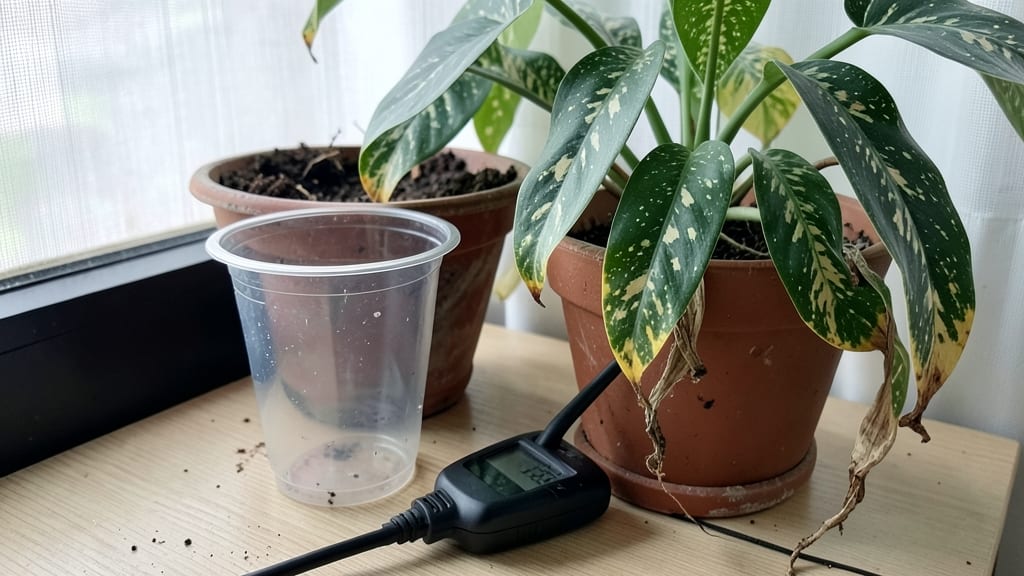
Fixing an overwatered plant might seem like a lost cause—but I’ve brought back more soggy roots than I’d like to admit. 🌱 The good news? Even plants with yellowing leaves and mushy stems can recover with the right approach.
My first step? Stopping water entirely and letting the roots breathe, then gently repotting into fresh, well-draining soil.
Here’s the thing—most people overwater because they’re afraid of underwatering. I used to check soil daily, only to realize my fingers were the best moisture meter. Once you adjust your watering routine to match your plant’s needs (think once a week for most houseplants, less for succulents), the guesswork disappears.
The key is soil that stays slightly damp but never soggy.
Within two weeks, you’ll see new growth pushing through, and those sad, droopy leaves will perk up like they’ve never been stressed. For stubborn cases, a diluted hydrogen peroxide rinse for roots can speed up revival.
The real secret? Preventing it next time by choosing pots with drainage holes and soil mixes designed to wick away excess moisture.
Works for everything from ferns to fiddle-leaf figs, whether you’re dealing with a single pot or a whole garden bed. Let’s turn that sad plant into a thriving one—step by step.
Root Causes Of Plant Drowning
Overwatering isn’t just a gardening mistake—it’s a silent killer that suffocates plants from the roots up. 🌱💦 When your green friends start wilting despite damp soil, the issue likely stems from one (or more) of these core problems.
Understanding why it happens is the first step to saving your struggling plants. Let’s dig into the science behind the sog.
Most overwatering disasters begin with a blocked or inadequate drainage system. Plants need oxygen in their root zones—just like humans need air to breathe. Without proper drainage, excess water pools around roots, displacing oxygen and triggering:
- Root suffocation: Roots respire (breathe) through tiny pores called lenticles. When submerged in water, these pores close, starving roots of oxygen and forcing them into anaerobic respiration—a slow, inefficient process that produces toxic ethanol (yes, like alcohol!).
- Fungal infections: Stagnant water creates the perfect breeding ground for Phytophthora and Pythium, fungi that rot roots and spread rapidly in waterlogged soil.
- Nutrient lockout: Overwatered soil becomes waterlogged, binding essential nutrients like nitrogen and phosphorus in forms roots can’t access. Even if you fertilize, the plant can’t use it!
Actionable insight: Test your pots or garden beds by filling them with water. If the water doesn’t drain within 10–15 minutes, your plant is at risk. Fix it: Add perlite, sand, or orchid bark to improve aeration.
Even plants with great drainage can drown if you water on a schedule instead of by need. Common triggers include:
- Ignoring soil moisture: Sticking your finger 1–2 inches into the soil is the gold standard. If it’s damp, wait. Many gardeners water when the top layer feels dry, but roots need deeper hydration.
- Mistaking thirst for wilting: Some plants (like succulents) shrink when thirsty, while others (like ferns) wilt when overwatered. Confusing the two leads to chronic sogginess.
- Using the wrong water volume: A slow, deep watering encourages roots to grow downward, while light, frequent sprinkles keep them shallow and prone to rot.
Pro tip: Group plants with similar water needs together (e.g., thirsty tropicals vs. drought-tolerant cacti) to avoid guesswork. 🌿💡
Not all pots and soil mixes are created equal—and some are death traps for roots. Here’s how containers and growing mediums contribute to overwatering:
| Problem | Why It Happens | Fix It |
|---|---|---|
| Clay pots without drainage holes | Clay absorbs moisture but doesn’t release it fast enough. Water evaporates slowly, leaving roots soaked. | Drill holes or switch to terracotta with pre-drilled holes. |
| Heavy, compacted soil | Clay-heavy or garden soil holds water like a sponge, cutting off oxygen. Roots can’t expand, leading to rot. | Amend with 50% potting mix + 50% perlite/pumice for airflow. |
| Self-watering pots without monitoring | These pots keep soil moist automatically, which is great—until you forget to check the reservoir. Overfilling = drowned roots. | Use a moisture meter or limit reservoir fills to half capacity. |
Key takeaway: If your plant’s container or soil feels like a mud pit, it’s time for an upgrade. Roots need breathable, well-draining conditions to thrive.
Humidity, temperature, and even where you place your plant can turn a "normal" watering routine into a disaster. For example:
- High humidity: In rainy seasons or humid climates, soil stays damp longer. A plant that thrives in dry air may drown in a steamy bathroom.
- Low light conditions: Plants photosynthesize slower in shade, so they transpire (release water) less. Watering them on the same schedule as sun-lovers = soggy roots.
- Cold temperatures: Chilly soil slows root activity, making it harder for plants to absorb water. Overwatering in winter can lead to root freeze damage.
Adjust your routine: Reduce watering by 30–50% in humid conditions or during winter. Move thirsty plants to brighter spots if possible. 🌡️✨
Now that you know the real culprits behind overwatering, you’re ready to revive your plant’s roots—without the guesswork. Stay tuned for the next section!
Revive Your Plant in 3 Steps
Overwatering can feel like a death sentence for your green friends, but don’t panic—most plants can bounce back with the right care! The key is to act fast, adjust your approach, and prevent future mishaps.
Below are practical, step-by-step solutions tailored to the most common causes of overwatering, plus pro tips to keep your plants thriving long-term.
🚨 First Rule: If it’s soggy, stop! Overwatering often starts with a well-intentioned (but overzealous) watering schedule. Cut off all water for at least 3–5 days to let the soil dry out. This gives roots a chance to recover and prevents rot from spreading.
- Check the soil before watering again: Stick your finger 1–2 inches deep. If it’s damp, wait another day. If it’s bone-dry, you’ve likely undercorrected—don’t drown it again! - Skip the top layer: The top inch of soil can be misleadingly dry while roots suffocate below.
Focus on moisture deeper down.
💡 Pro Tip: If your plant is in a heavy pot (like terracotta), it may dry faster. If it’s in a plastic or self-watering container, drainage is trickier—consider repotting if needed.
Root rot thrives in compacted, waterlogged soil. Fix this by: #### 🔥 Fixing Poor Drainage - Repot if necessary: If the soil is muddy, smelly, or stays wet for days, it’s time for a fresh mix.
Use a well-draining potting blend (cactus/succulent mix for drought-prone plants, regular mix for others). - Add perlite or sand: Amend heavy soil with 20–30% perlite, orchid bark, or coarse sand to improve aeration. - Check the pot: If it has no drainage holes, drill them or switch to a pot with holes. No exceptions!
🌬️ Boost Air Circulation
Stagnant air = more humidity = slower drying. Revive your plant’s environment with:
- Move it to a brighter spot (but not direct scorching sun—think indirect light).
- Use a small fan (on low) to gently circulate air around the plant.
- Space out plants if they’re crowded—overcrowding traps moisture.
⚠️ Warning: Avoid placing overwatered plants in humid bathrooms or kitchens until they recover. Low humidity helps soil dry faster.
If your plant is already showing damage (yellow leaves, mushy stems, or wilting despite dry soil), it may need emergency care.
🍂 Prune Damaged Foliage
- Snip off yellow/brown leaves with sterilized scissors (wipe with rubbing alcohol). Dead leaves leach energy from the plant.
- Check for soft, black stems (sign of rot).
If found: - For woody plants (like succulents or trees): Cut back to healthy green tissue with clean pruners. - For delicate stems (like ferns or herbs): Trim at the base and propagate cuttings in dry soil to save them!
💊 Fungal/Bacterial Rot Treatment
If you see black spots, mold, or a foul smell, act fast:
- Hydrogen peroxide spray (3% solution, diluted 1:1 with water) – Spray roots and soil lightly to kill fungi/bacteria.
- Cinnamon or sulfur powder – Sprinkle on soil (not leaves) to prevent reinfection.
- Neem oil solution (1 tsp neem oil + 1 quart water) – Spray on leaves and soil to deter pests/fungi.
💡 Pro Tip: If repotting, sterilize the new pot with boiling water or a 10% bleach solution (rinse well) to avoid introducing pathogens.
Once your plant is on the mend, lock in these habits to avoid future overwatering:
| Mistake | Fix It With… | Prevention Tip |
|---|---|---|
| Watering on a schedule | Check soil first! (Finger test) | Water only when the top 1–2 inches are dry. |
| Wrong pot material | Terracotta or ceramic (breathable) | Avoid sealed plastic pots unless labeled "self-watering." |
| Heavy, compacted soil | Add perlite or orchid bark | Mix in 20% amendment for better drainage. |
| No drainage holes | Drill holes or repot | Never use a pot without drainage! |
| Overcrowded plants | Space them out | Group plants with similar water needs together. |
| Ignoring plant signals | Learn the signs 🌱 | Wilted leaves? Wait before watering. Crispy edges? Likely underwatered. |
🌡️ Seasonal Adjustments:
- Winter: Plants need less water (cooler temps = slower evaporation).
- Summer: Increase airflow with fans and water early in the day to reduce evaporation loss.
🎯 Final Reminder: Recovery takes time—don’t rush it! Some plants (like succulents) may take weeks to fully bounce back, while others (like herbs) can revive in days. Patience + proper care = a plant that stays happy and healthy!
Frequently asked questions
My plant's leaves are yellow and falling off - is it too late to save it?
Not necessarily! Yellow leaves often signal overwatering, but many plants can recover if you act quickly. First, stop watering immediately and let the soil dry out completely. Remove any mushy stems or blackened roots, then repot in fresh, well-draining soil. With proper care, you'll often see new growth within 2-3 weeks.
How do I know if my plant needs repotting after overwatering?
Check for these signs: soil stays wet for more than 3 days, has a foul smell, or looks compacted like mud. If your plant's roots are black/mushy or the soil separates easily when squeezed, it's time for a fresh pot with well-draining mix. Always use containers with drainage holes to prevent future issues.
Can I use coffee grounds to help fix overwatered plants?
Actually, coffee grounds can make overwatering worse by compacting soil and slowing drainage. Instead, mix in perlite or sand to improve aeration. For nutrient balance, use a diluted fertilizer (half-strength) only after your plant shows new growth - never on stressed plants.
What's the best way to test if my plant has root rot?
Gently remove the plant from its pot and examine the roots. Healthy roots are firm and white, while rotten roots are mushy, black/brown, and smell foul. For a quick test, press a root - if it squishes like overcooked pasta, it's rotten. Trim away all diseased roots before repotting in fresh soil.
How often should I water my plants after fixing overwatering damage?
Start with a completely dry soil approach - wait until the top 2-3 inches are bone dry before watering again. For most houseplants, this means watering every 7-10 days. Use your finger as a guide: if it feels dry at 1-2 inches down, it's time. Adjust based on your plant type and environment.