
Planting
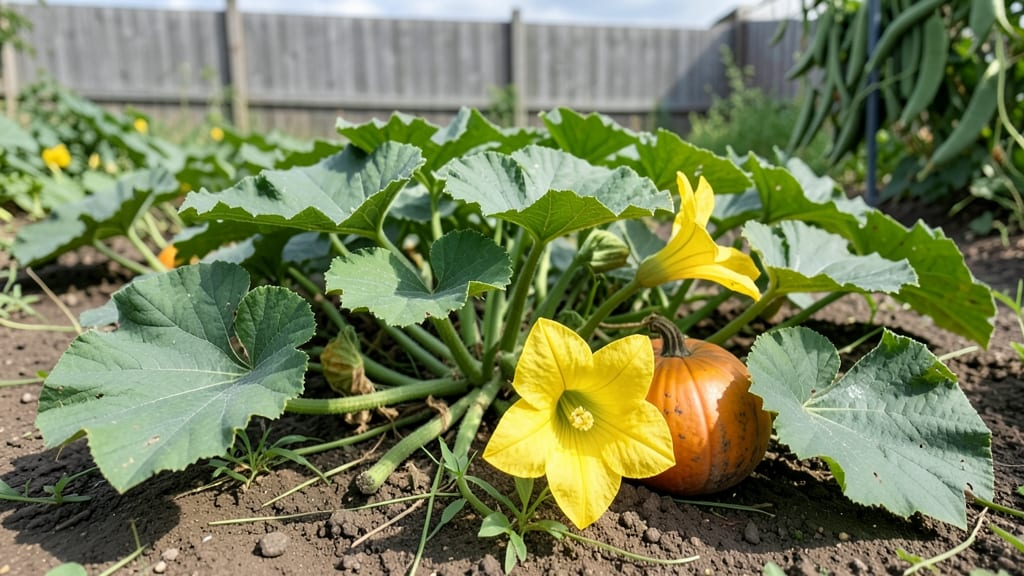
Growing a yellow pumpkin plant starts with selecting the right variety—like 'Golden Boomer' or 'Cinderella Pumpkin'—and giving it the long, sunny days it craves. I’ve grown these vines for years, and the key to their success lies in warm soil, consistent moisture, and plenty of space to sprawl.
The first tendrils appear within days of planting, and by midsummer, those sprawling vines become a lush green canopy that outshines even the most ambitious zucchini patch.
Yellow pumpkins thrive in well-draining soil with a pH between 6.0 and 6.8, so amend heavy clay with compost or aged manure before planting. Give each vine at least 10 feet of space—they’ll stretch farther if given room—and trellis them if your garden is tight.
Water deeply twice a week, aiming for 1-2 inches per week, and watch as those bright yellow blooms signal fruit is on the way. The real magic happens when the vines start producing 3-5 pound pumpkins by late summer.
Pests like squash bugs and powdery mildew are the biggest threats, but a neem oil spray or row covers keep them at bay. Companion plants like nasturtiums or marigolds deter pests naturally, while keeping the area weed-free ensures nutrients go straight to the vines.
By harvest time, you’ll have sunshine-yellow pumpkins perfect for carving, baking, or gifting—proof that patience and proper care pay off in the most satisfying way.
This method works for gardeners in USDA Zones 3-10, though warmer climates may need shade cloth in peak summer. Whether you’re a beginner or a seasoned grower, these steps simplify the process while maximizing your harvest. Ready to grow? Let’s get those seeds in the ground.
What Triggers Leaf Yellowing
If your pumpkin vines are turning a concerning shade of yellow, don’t panic—this common issue usually stems from a few key factors. Understanding the root causes (literally and figuratively!) helps you take swift, targeted action.
Below, we break down the most frequent culprits behind yellowing foliage, from soil woes to weather whims.
Yellowing leaves often signal your pumpkin plant isn’t getting the nutrients it craves. Here’s how to spot and fix the most common deficiencies:
- 💡 Nitrogen Shortage (Most Common)
- Symptoms: Older leaves turn pale yellow or yellowish-green, while veins stay green. Growth may slow, and stems appear weak.
- Why it happens: Nitrogen is the building block of chlorophyll (the green pigment in leaves). Without enough, your plant can’t produce energy efficiently.
- Actionable fix:
- Test your soil (DIY kits or lab tests) to confirm nitrogen levels.
- Add organic matter: Mix in compost, well-rotted manure, or a balanced fertilizer (like 10-10-10) at planting and mid-season.
- Use foliar sprays: A diluted solution of fish emulsion or seaweed extract can provide a quick nitrogen boost.
- 💡 Magnesium or Iron Deficiency (Interveinal Chlorosis)
- Symptoms: Younger leaves develop yellow patches between veins (while veins stay green). Severe cases may show brown or dead spots.
- Why it happens:
- Magnesium is central to chlorophyll production. Poor soil drainage, high pH, or over-fertilizing with nitrogen (without potassium/magnesium) can lock it out.
- Iron becomes unavailable in alkaline soils (pH > 7.0), even if present.
- Actionable fix:
- Lower soil pH (aim for 6.0–6.8) by adding sulfur or peat moss.
- Apply Epsom salt (for magnesium): Dissolve 1 tbsp in a gallon of water and spray leaves weekly.
- Use chelated iron (for iron): Follow package instructions for soil or foliar application.
Yellow leaves can also scream, “I’m drowning!”—especially if the soil stays soggy for too long. Pumpkins hate “wet feet” and are prone to root rot in waterlogged conditions.
- 💡 Root Rot (Fungal Infection)
- Symptoms: Yellowing leaves paired with mushy, dark roots; wilting despite moist soil; foul odor from the base.
- Why it happens: Fungi like Phytophthora or Pythium thrive in waterlogged, anaerobic soil, blocking nutrient uptake and suffocating roots.
- Actionable fix:
- Improve drainage: Amend soil with perlite, sand, or compost to create air pockets.
- Adjust watering: Pumpkins need 1–2 inches of water per week (check soil moisture—top inch should dry out before watering again).
- Prune affected roots (if repotting): Trim black/mushy roots and replant in fresh, sterile soil.
- Fungal treatment: Apply a copper fungicide or hydrogen peroxide (1 tbsp per gallon of water) to soil.
Pumpkin plants are sun-lovers, but too much (or too little) of a good thing can turn leaves yellow. Extreme weather or improper placement also play a role.
- 💡 Heat Stress or Sun Scorch
- Symptoms: Crispy, yellow-edged leaves (especially on upper leaves) or bleached patches. Often occurs midday in hot climates.
- Why it happens: Intense sunlight + high temperatures cause oxidative stress, damaging cell membranes. Young leaves are most vulnerable.
- Actionable fix:
- Provide afternoon shade (use shade cloth or plant near taller crops like corn).
- Mulch heavily (straw or grass clippings) to keep roots cool.
- Water deeply in the morning to reduce evaporation stress.
- 💡 Cold or Frost Damage
- Symptoms: Yellowing or blackened leaves after a hard frost (below 50°F/10°C). Leaves may feel mushy or wilted.
- Why it happens: Pumpkins are warm-season crops and can’t tolerate temperatures below 55°F (13°C). Frost kills cells, disrupting nutrient flow.
- Actionable fix:
- Extend the season with row covers or black plastic mulch (warms soil faster).
- Choose cold-hardy varieties (e.g., ‘Jack Be Little’ or ‘New England Pie’) if growing in short seasons.
- Avoid planting too early—wait until soil is at least 60°F (15°C).
Not all yellowing is nutrient-related—sometimes, tiny (or not-so-tiny) invaders are to blame. Keep an eye out for these troublemakers:
- 💡 Squash Vine Borers (Caterpillars)
- Symptoms: Yellowing leaves paired with sawdust-like frass near the stem. Cut open stems to find white grubs.
- Why it happens: These pests chew through vascular tissue, disrupting water/nutrient transport.
- Actionable fix:
- Handpick eggs (tiny yellow ovals on undersides of leaves) or larvae.
- Use row covers early in the season to block adults.
- Apply Bt (Bacillus thuringiensis)—a natural bacterial spray safe for edibles.
- 💡 Powdery Mildew (Fungal Infection)
- Symptoms: Yellowing leaves with a white, powdery coating (especially on upper surfaces). Leaves may curl or drop prematurely.
- Why it happens: Fungal spores thrive in humid, low-light conditions (e.g., crowded plants, poor airflow).
- Actionable fix:
- Space plants 3–4 feet apart for airflow.
- Spray with neem oil or baking soda mix (1 tbsp baking soda + 1 tsp soap per gallon of water).
- Water at the base (avoid wetting foliage) and harvest promptly to reduce humidity.
Pro Tip: 🔍 Diagnose like a detective! Compare symptoms to photos online or use a soil test kit. When in doubt, start with the simplest fixes (water, nutrients, or shade) before jumping to pesticides.
Revive Your Pumpkin Patch
When your pumpkin vines start showing signs of distress—like yellowing leaves or stunted growth—don’t panic! With the right care, you can nurse them back to health and even prevent future issues.
Below, we’ve mapped out practical fixes for common problems, along with prevention tips to keep your pumpkin plants thriving. Let’s get growing!
Yellow leaves are often a cry for help from your pumpkin plant. The cause? Usually too much water, poor drainage, or nutrient imbalances. Here’s how to turn things around:
💧 Adjust Watering Habits
- Problem: Overwatering suffocates roots, leading to yellowing.
- Fix:
- Let the top 1–2 inches of soil dry out between waterings.
- Water deeply but less frequently—pumpkins hate soggy roots!
- Improve drainage by adding compost or perlite to heavy soil.
- Prevention: Use a moisture meter or stick your finger in the soil to check before watering.
🌿 Boost Nutrients with Organic Fixes
- Problem: Yellowing between veins (chlorosis) often means iron or magnesium deficiency.
- Fix:
- Epsom salt soak: Mix 1 tbsp Epsom salt in a gallon of water and water the base of the plant weekly.
- Compost tea or fish emulsion for a quick nutrient boost (follow package instructions).
- Aged manure or worm castings for slow-release fertility.
- Prevention: Side-dress plants with compost every 2–3 weeks during the growing season.
☀️ Check for Sunlight Stresses
- Problem: Pale yellow leaves can signal too much shade or heat stress.
- Fix:
- Ensure plants get 6–8 hours of direct sunlight daily.
- If in a container, move it to a sunnier spot or use a reflective surface (like white mulch) to bounce light.
- Provide light shade cloth in extreme heat (120°F+).
- Prevention: Plant in full sun and avoid placing near tall structures that block light.
If your pumpkin vines are short, weak, or not flowering, they’re likely starving or under attack.
🔄 Improve Soil Health
- Problem: Compacted or nutrient-poor soil stifles growth.
- Fix:
- Loosen soil around the base with a garden fork (be gentle—roots are shallow!).
- Mix in well-rotted compost or aged manure (avoid fresh manure—it burns roots).
- Test soil pH—pumpkins prefer 6.0–6.8.
Adjust with lime (to raise pH) or sulfur (to lower pH) if needed. - Prevention: Amend soil before planting with compost and a balanced fertilizer (like 10-10-10).
🐜 Combat Pests Early
- Problem: Aphids, squash bugs, or spider mites sap nutrients and weaken vines.
- Fix:
- Handpick pests in the morning (drop them in soapy water).
- Spray with neem oil (mix 2 tbsp neem oil + 1 tsp mild soap + 1 quart water).
- Introduce beneficial insects like ladybugs or lacewings.
- Prevention:
- Rotate crops (don’t plant pumpkins in the same spot yearly).
- Use row covers early in the season to block pests.
- Interplant with herbs like basil or marigolds to repel bugs.
If leaves look yellow with white powdery spots, powdery mildew is likely the culprit. This fungus thrives in humid, crowded conditions.
💦 Adjust Growing Conditions
- Problem: Poor airflow + high humidity = mildew party.
- Fix:
- Space plants 3–4 feet apart for better airflow.
- Water at the base (avoid wetting leaves) in the early morning so foliage dries quickly.
- Prune lower leaves to improve airflow around the plant.
- Prevention:
- Choose resistant varieties (e.g., ‘Howden’ or ‘Waltham Butternut’).
- Apply baking soda spray (1 tsp baking soda + 1 quart water + a drop of soap) weekly as a preventative.
🧼 Treat Existing Fungus
- Fix:
- Remove and destroy infected leaves (don’t compost them!).
- Spray with copper fungicide or organic milk spray (1 part milk to 9 parts water).
- Reapply every 7–10 days until the problem clears.
Pumpkins are sun-lovers, but extreme temps can shock them.
🔥 Beat the Heat
- Problem: Wilting or yellowing in 90°F+ weather.
- Fix:
- Mulch heavily with straw or grass clippings to retain moisture.
- Provide afternoon shade with a lightweight shade cloth (30–50% shade).
- Water deeply in the morning (never at night—it promotes fungus).
- Prevention: Start seeds indoors 2–3 weeks before the last frost for a head start.
❄️ Protect from Early Frost
- Problem: Yellowing or blackened leaves from cold snaps.
- Fix:
- Cover plants with frost blankets or row covers at night.
- Harvest pumpkins before frost—they’ll ripen off the vine if needed.
- Plant in a sheltered spot (like near a south-facing wall).
- Prevention: Choose fast-maturing varieties (e.g., ‘Jack Be Little’—ready in 75 days).
- 💡 Monitor regularly: Check leaves weekly for early signs of trouble.
- 🌡️ Keep a garden journal: Note watering, fertilizing, and pest issues to refine next year’s approach.
- ✨ Companion plant: Grow nasturtiums near pumpkins—they deter pests and add color!
- 🍂 Clean up after harvest: Remove old vines and debris to prevent disease buildup.
With these targeted fixes, your pumpkin plants should bounce back stronger than ever. Remember: healthy soil + smart care = happy vines and plump pumpkins! 🎃🌿
Frequently asked questions about growing yellow pumpkins
What are the best yellow pumpkin varieties for beginners?
'Jack Be Little' is perfect for small gardens—it matures in just 75 days and produces 3-5 pound pumpkins. For larger harvests, try 'Golden Boomer' (great for pies) or 'Cinderella' (classic Halloween size). All three are disease-resistant and thrive in containers or garden beds.
How much space do yellow pumpkin vines really need?
Give each vine at least 10 feet of space in all directions—they spread aggressively! If you're short on room, use a trellis system to grow them vertically (though yields may be smaller). Just ensure they get 6-8 hours of sunlight daily regardless of spacing.
When should I harvest yellow pumpkins for best flavor?
Wait until the pumpkin's skin turns completely yellow and hard (like a cantaloupe rind). The stem should also dry and turn brown. For storage, cure them in a warm, dry place (80-85°F) for 10 days before keeping in a cool, dark spot. Harvested too early? They'll ripen off the vine but may have less sweetness.
Why are my yellow pumpkin leaves turning yellow?
This usually means overwatering, nutrient deficiency (like nitrogen or magnesium), or fungal issues. Check soil moisture first—pumpkins hate soggy roots. For yellowing between veins, try a weekly Epsom salt spray (1 tbsp per gallon of water). If leaves feel mushy, you may have root rot from poor drainage.
Can I grow yellow pumpkins in containers?
Yes! Choose compact varieties like 'Jack Be Little' and use a 5-gallon container minimum (bigger is better). Fill with well-draining potting mix and place in full sun. Container-grown pumpkins need daily watering (containers dry out faster) and regular feeding with liquid fertilizer every 2 weeks. Just be ready to harvest earlier than garden-grown ones.