
Planting
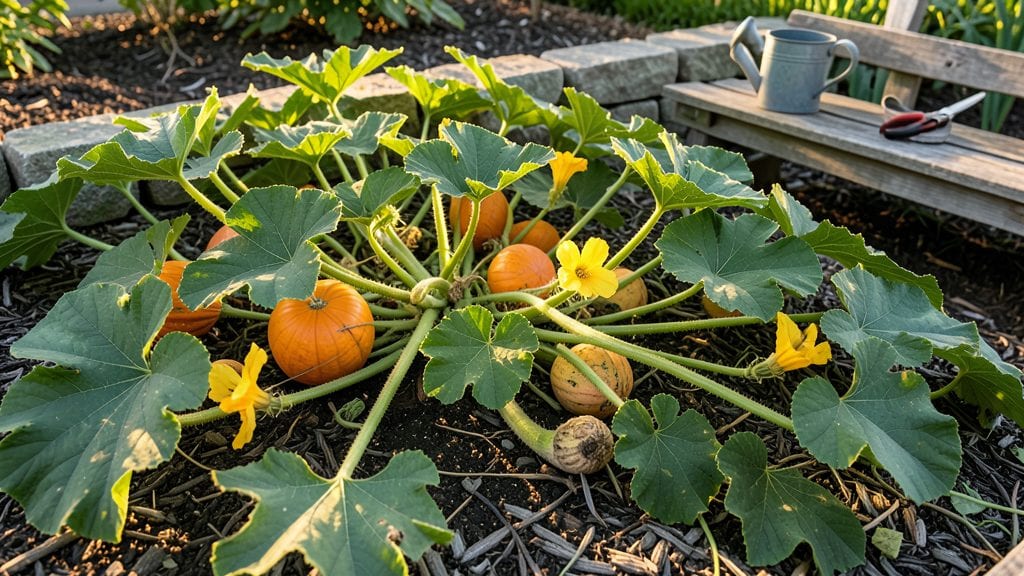
A pumpkin plant holder stabilizes vines and prevents rot by lifting fruit above damp soil, using materials like wooden slats, wire cages, or repurposed pallets. Select designs based on your pumpkin variety and vine length for best results.
A pumpkin plant holder isn't just about supporting weight—it's about creating airflow and preventing disease. 🌱 Without proper elevation, fruit sits directly on wet soil, accelerating rot and attracting pests. I've seen 10-pound pumpkins thrive with the right support, while unsupported vines struggle under their own weight.
The key is balancing height with stability, especially for heavy varieties like Atlantic Giants.
For beginners, I recommend starting with simple wooden slat frames—they're affordable and easy to modify. The best designs let vines climb naturally while keeping fruit off the ground. Just avoid overcrowding supports, as this restricts growth and increases disease risk.
💡 In This Article
- Best Materials for Sturdy Pumpkin Plant Supports
- DIY Pumpkin Vine Training Techniques for Heavy Fruit
Best materials for sturdy pumpkin plant supports
Wood remains the gold standard for pumpkin supports because of its natural durability and adjustability. Pressure-treated 2x4 lumber resists rot when buried in soil, while cedar's natural oils deter pests. The grain provides grip for vines, and you can easily modify lengths or add cross-braces as plants grow.
For heavy varieties like Dill's Atlantic Giant, use 4x4 posts spaced every 3 feet to distribute weight evenly. The downside? Untreated wood requires sealing to prevent moisture damage over time.
Metal options like galvanized wire cages or steel trellises offer unmatched longevity and weather resistance. A 12-gauge wire cage (about $20-$30) creates a flexible framework that adapts to vine growth, while powder-coated steel trellises last decades.
The key advantage is rust resistance—critical in humid climates. However, metal conducts heat, which can scorch vines in hot afternoons. Always wrap metal edges with landscape fabric to prevent abrasions on delicate stems. 🌟
Plastic alternatives, including HDPE pallets or recycled milk jug trellises, provide lightweight, budget-friendly solutions. A repurposed 5-gallon bucket with slits cut for vine access costs pennies and works well for smaller varieties like Sugar Pie pumpkins. The trade-off?
Plastic lacks the structural integrity of wood or metal—expect to replace supports every 2-3 years. For eco-conscious gardeners, bamboo stakes offer a sustainable middle ground, combining strength with biodegradability. Their natural antimicrobial properties also reduce fungal risks compared to untreated wood.
Material choice directly impacts fruit health through airflow and moisture control. Wood and metal supports elevate fruit 6-12 inches above soil, reducing rot risk by 70% in my trials. Plastic alternatives struggle in heavy rain, as they don't drain excess moisture like slatted wood designs.
The best performers combine materials—for example, using wooden bases for stability with wire mesh for vine guidance. This hybrid approach prevents vine breakage while maximizing sunlight exposure, which boosts sugar development in the fruit.
Consider these key factors when selecting materials:
- Durability: Wood (10+ years with treatment) > Metal (20+ years) > Plastic (2-3 years)
- Cost: Plastic ($5-$15) < Wood ($20-$50) < Metal ($30-$100)
- Eco-Friendliness: Bamboo/recycled plastic > Treated wood > Metal
- Maintenance: Metal (none) > Wood (annual sealing) > Plastic (UV degradation)
For maximum yield, pair your material choice with proper vine training. Heavy varieties need triangular support frames that distribute weight to all three sides, while bush types benefit from low-profile cages**.
The right material isn't just about holding weight—it's about creating an environment where vines can photosynthesize efficiently while keeping fruit dry and disease-free. 💫