
Companion Plants
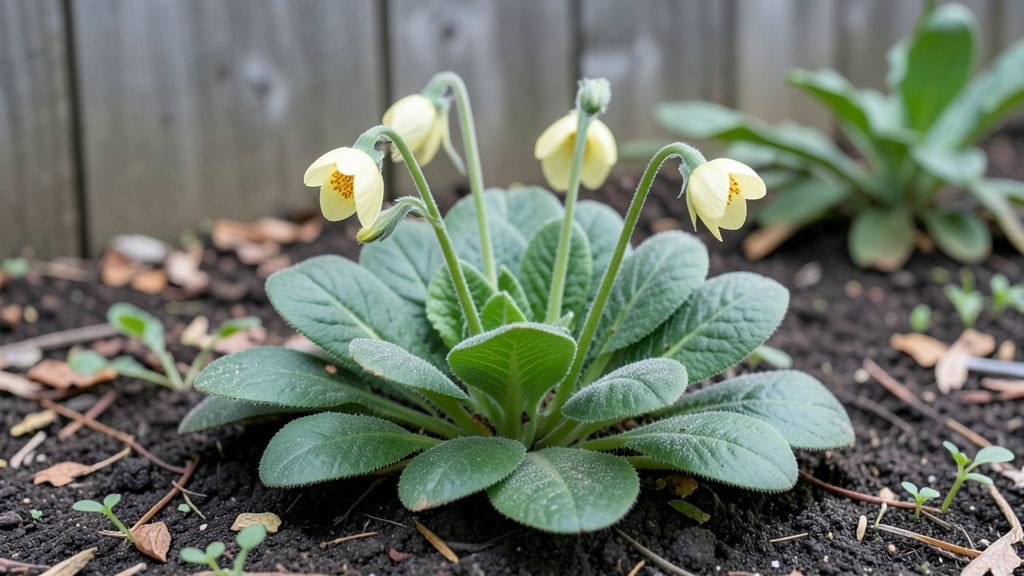
Winter primrose plants bring color to gray days when most gardens are dormant. 🌿 I planted mine last October, and by December, their bright blooms were the only show in the yard—plus, bees and butterflies couldn’t get enough.
These hardy perennials thrive where others fail, turning frost-kissed soil into a pollinator paradise.
The secret to their success is simple: well-draining soil, partial shade, and consistent moisture. They handle winter like champs, even in zones where snow lingers. My plants took root in a 5-gallon container on the north side of the house, where nothing else survives the cold.
The key is avoiding soggy soil—they’ll rot faster than they’ll bloom.
By late winter, you’ll see clusters of vibrant yellow, purple, or white flowers that last until spring. The foliage stays lush through light frosts, making them perfect for winter containers or woodland garden edges. Plus, they self-seed reliably, so once planted, they’ll multiply for years with minimal effort.
Here’s the best part: they’re the first plants to feed hungry pollinators after months of hibernation. My hummingbirds return earlier each year because of them. Ready to turn your winter garden into a buzzing, blooming oasis? Let’s get planting.
📚 In This Guide
- What you need
- Instructions
- Tips and common mistakes
- Wrapping up and next steps
What you need
- ● Winter primrose seeds: 1 packet (200–500 seeds, non-GMO preferred)
- ● Well-draining potting mix: 1–2 bags (sterile, peat-based or coco coir blend)
- ● Seed-starting trays or small pots: 12–24 (3–4 inch diameter, with drainage holes)
- ● Grow lights or sunny windowsill: 6–12 hours of indirect light daily (LED grow lights work great)
- ● Watering can or spray bottle: Fine mist setting for seeds
- ○ Humidity dome or plastic wrap: To retain moisture (optional but helpful)
- ● Fertilizer (balanced 10-10-10 or organic option): 1 small bottle (dilute to half-strength)
- ● Gloves: A pair (gardening or nitrile for seed handling)
- ● Trowel or small shovel: For transplanting seedlings
- ○ Pruning shears: For deadheading spent blooms (optional)
- ○ Mulch (straw or shredded leaves): 1–2 inches (for outdoor beds, optional)
- ● pH test kit: To check soil acidity (ideal range: 6.0–7.0)
- ● Access to a cool, shaded spot (60–70°F) for germination (or a seedling heat mat)
- ● Patience! Seeds may take 2–4 weeks to sprout
- ● Outdoor space or containers for mature plants (partial shade, moist soil)
Step-by-step guide to growing winter primrose plants
Here's how to cultivate these cheerful bloomers that thrive when most gardens sleep.
🌱 Step 1: Select the Perfect Planting Location
Winter primroses crave partial shade—think dappled light under trees or a spot that gets morning sun and afternoon shade. I always test the site first by placing a white board where the plant will go; if it gets more than 4-6 hours of direct sun daily, the flowers will scorch and fade quickly.
They tolerate USDA zones 3-8, so check your zone before buying. In hotter climates, choose varieties like Primula denticulata that handle slightly more sun. The soil should drain well but stay moist—amend heavy clay with 3 inches of compost before planting.
🪴 Step 2: Prepare the Soil for Planting
Loosen the soil to a depth of 12 inches with a garden fork, breaking up any compacted layers. Winter primroses hate soggy roots, so if your soil stays wet for more than 24 hours after rain, raise the planting area by mounding soil or creating a slight berm.
Work in 2 cups of 5-10-5 fertilizer per plant into the top 6 inches of soil. These plants are light feeders, so too much fertilizer leads to lush foliage but fewer blooms. Mix the fertilizer evenly—you’ll notice the soil darken slightly when it’s properly incorporated.
💧 Step 3: Plant and Water for Establishment
Set each primrose crown 1 inch below soil level—this prevents rot while keeping the roots cool. Space plants 12-18 inches apart; closer spacing works in shade but risks fungal issues. Backfill with soil, pressing gently to remove air pockets but not compacting.
Water deeply right after planting to settle the soil and encourage root contact. Aim for 1 inch of water per week, delivered at the base rather than overhead. Mulch with 2 inches of shredded bark to retain moisture and regulate soil temperature—this is especially critical in hot summers or cold winters.
☀️ Step 4: Maintain Through the Growing Season
After the first flush of blooms, trim spent flower stalks to ½ inch above the foliage to encourage continuous reblooming. I always use clean, sharp pruners to avoid spreading disease. Deadhead regularly—you’ll see new buds forming within 2-3 weeks if the plant stays healthy.
Fertilize lightly in early spring with ¼ cup of 10-10-10 fertilizer per plant. Too much nitrogen leads to weak stems and fewer flowers. Watch for slugs in damp conditions—handpick them at dusk when they’re most active, or set out beer traps if infestations occur.
⏰ Step 5: Prepare for Winter Dormancy
Once temperatures drop below 40°F at night, reduce watering to every 2-3 weeks unless the soil is bone-dry. Winter primroses go semi-dormant but stay evergreen in mild climates. In colder zones, apply 3 inches of straw mulch after the first hard frost to insulate the roots.
Prune back any browned or damaged foliage in early spring, just as new growth emerges. You’ll notice fresh green leaves pushing through the old growth—this is your cue to resume regular watering and fertilizing. These plants reward patience with blooms from late winter through spring.
Tips & tricks for perfect winter primrose planting
These garden secrets will help you grow vibrant winter primroses that bloom reliably year after year.
Location Test: Before planting, observe the site for at least 4-6 hours during the warmest part of the day. Place a white board where you plan to plant—if it gets hotter than you expect, move to a shadier spot. These plants will thank you with healthier foliage and longer-lasting blooms. I always check in late afternoon when sun is strongest.
Soil Preparation Strategy: The 12-inch soil depth you loosen is crucial for root health. If your soil stays wet for more than 24 hours after rain, create a slight berm or raised bed to improve drainage. Winter primroses hate soggy roots, which can lead to rot. I've seen plants thrive in heavy clay when amended with 3 inches of compost—this improves both drainage and moisture retention.
Watering Wisdom: That 1 inch of water per week guideline works best when delivered at the base of the plant. Overhead watering can encourage fungal diseases, especially in damp conditions. I use a soaker hose for consistent moisture without wetting the leaves. In hot summers, water in the morning to prevent evaporation and reduce slug activity.
Winter Care: When temperatures drop below 40°F at night, reduce watering to every 2-3 weeks unless the soil is completely dry. The 3 inches of straw mulch recommendation is especially important in colder zones—it acts like a blanket, protecting roots from extreme temperature swings. I always add mulch after the first hard frost to prevent soil heaving during freeze-thaw cycles.
Pro Tips for Winter Primrose Plants
- These garden secrets will help you grow vibrant winter primroses that bloom reliably year after year.
- Location Test: Before planting, observe the site for at least 4-6 hours during the warmest part of the day.
- Soil Preparation Strategy: The 12-inch soil depth you loosen is crucial for root health.
Frequently asked questions
When is the best time to plant winter primroses?
Plant winter primroses (Primula vulgaris) in early fall (September–October) or late winter (February–March). This timing ensures roots establish before summer heat. For container growing, plant in spring after frost danger passes. Pro tip: Avoid planting in extreme heat—they prefer cooler soil!
Why aren’t my winter primroses blooming?
Several factors can delay blooms: overcrowding, poor drainage, or too much shade. Ensure they get partial shade to full sun (morning sun is ideal) and well-draining soil. Deadhead spent flowers to encourage more blooms. If planted too late, they may skip flowering until the next season. Troubleshoot: Check for pests like slugs or aphids too!
Can winter primroses survive harsh winters?
Yes! These hardy perennials thrive in USDA Zones 4–8. Mulch with 2–3 inches of organic matter (like straw or leaves) to protect roots from freezing. In containers, move pots to a sheltered spot or wrap them in burlap. Bonus: Their evergreen foliage adds winter interest!
What’s a good alternative if winter primroses don’t thrive in my climate?
Try candytuft (Iberis sempervirens) for drought-tolerant blooms, heuchera for colorful foliage, or pansies for early-season color. For shade lovers, bleeding heart (Dicentra spectabilis) or lungwort (Pulmonaria) are excellent substitutes. All attract pollinators too!
Where’s the best place to buy healthy winter primrose plants?
Purchase from reputable nurseries or online plant shops (like Fast-Growing-Trees.com or local garden centers). Look for plants with firm stems, vibrant leaves, and no yellowing. Avoid big-box stores—their selections may be limited or poor-quality. Pro tip: Order early for fall planting!
Still stumped? Drop your question in the comments—we’re happy to help!
Wrapping up and next steps
Winter primrose plants are a game-changer for gardeners seeking vibrant color and pollinator support—even in chilly months! 🌸 With their season-long blooms and hardy nature, they’re perfect for adding life to borders, containers, or wildflower meadows.
Whether you’re a novice or a seasoned gardener, these cheerful bloomers reward patience with stunning displays and eco-friendly benefits.
Ready to transform your space? Start by choosing your favorite varieties, gathering supplies, and planting them in well-drained soil. Your pollinators—and your garden—will thank you!