
Companion Plants
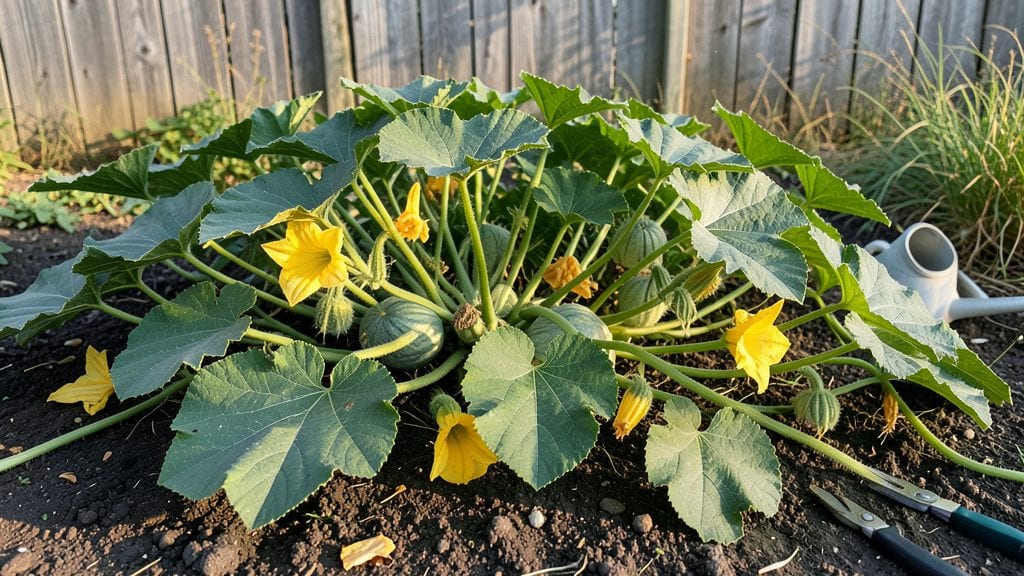
Healthy pumpkin plants start with the right neighbors in your garden. 🌱 I learned the hard way that pumpkins thrive when paired with disease-resistant companions like marigolds and nasturtiums—these plants don’t just deter pests, they create a year-round pollinator party that keeps your vines producing until frost.
The secret isn’t complicated: well-draining soil, consistent moisture, and a sunny spot with at least 6 hours of direct light daily.
My first pumpkin patch failed because I overwatered and packed the soil too tightly—now I use raised beds with a mix of compost and straw mulch to keep roots happy and diseases at bay.
By following these simple steps, you’ll end up with vibrant green vines sprawling across your garden, heavy with fruit, and buzzing with bees. The best part? These same pairings work for winter squash too, so you’re not just growing pumpkins—you’re building a resilient ecosystem.
Whether you’re a beginner or a seasoned grower, this method scales from small containers to sprawling backyard patches. Let’s get those vines growing strong and healthy all season long.
📚 In This Guide
- What you need
- Instructions
- Tips and common mistakes
- Wrapping up and next steps
What you need
- ● Pumpkin Seeds: Choose disease-resistant varieties like Howden or Cinderella (5-10 seeds per plant, depending on space).
- ● Companion Plants: Nasturtiums (10-15 plants) – repel pests.
- ● Marigolds (5-8 plants) – deter squash bugs.
- ● Basil (3-5 plants) – improves flavor and deters flies.
- ● Soil: Well-draining, loamy soil with a pH of 6.0-6.8. Amend with compost (1-2 inches mixed in).
- ● Fertilizer: Balanced organic fertilizer (10-10-10) or compost tea (apply at planting and mid-season).
- ● Watering Supplies: Drip irrigation or a soaker hose (to keep foliage dry).
- ● Mulch: Straw or shredded leaves (2-3 inches) to retain moisture and suppress weeds.
- ● Garden Tools: Trowel or transplanting spade
- ● Pruners (for trimming vines)
- ● Garden gloves (to protect hands)
- ● Row Covers: Lightweight fabric to protect young plants from pests.
- ● Trellis or Cage: For vertical growth (if space is limited).
- ● Pest Control: Neem oil or insecticidal soap (for organic pest management).
- ● Soil Test Kit: To check nutrient levels before planting.
Step-by-step instructions for cultivating disease-resistant pumpkin plants
Here's how to grow vigorous, pollinator-friendly pumpkins that resist common diseases and thrive year-round.
🌱 Step 1: Select and Prepare Disease-Resistant Seedlings
Choose disease-resistant varieties like 'Howden' or 'Jackpot'—these handle powdery mildew and downy mildew far better than heirlooms. Start with 4 healthy 3-4 week old seedlings (not seeds) to ensure a strong foundation. Before planting, soak roots in a 1:10 water-to-hydrogen peroxide solution for 10 minutes to sterilize and boost root vigor.
I always inspect seedlings for yellowing leaves or soft stems—these are early signs of stress or disease. Discard any compromised plants immediately. Healthy seedlings have deep green leaves, thick stems, and no visible damage. Plant them in the late afternoon when temperatures drop slightly, reducing transplant shock.
🪴 Step 2: Plant in Well-Draining, Fertile Soil
Amend your native soil with 3 gallons of compost and 1 cup of bone meal per planting hole to provide phosphorus for root development and potassium for disease resistance. Pumpkins need space—dig 4 holes, each 6 feet apart, in a sunny location with at least 8 hours of direct sunlight daily. The larger the hole, the better the root spread.
Place each seedling in its hole, ensuring the soil line on the stem matches the ground level—burying too deep suffocates the plant, while planting too shallow exposes roots to drying. Firm the soil gently around the base and water deeply with 2 gallons of water per plant to settle roots into place. Avoid overhead watering to prevent fungal spores from splashing onto leaves.
☀️ Step 3: Provide Consistent Water and Support
Pumpkins need 1-2 inches of water weekly, delivered at the base of the plant to keep foliage dry. I use drip irrigation or a soaker hose to maintain even moisture without wetting leaves—this prevents powdery mildew, a common issue. Mulch around each plant with 3 inches of straw to retain moisture and suppress weeds, which compete for nutrients.
As vines grow, train them onto trellises or stakes to improve airflow and reduce disease risk. Healthy pumpkin plants develop large, lobed leaves and thick, hairy stems. Watch for yellowing between veins—this signals nutrient deficiency, often magnesium or nitrogen. If you see it, side-dress with ½ cup of compost tea or a balanced organic fertilizer to correct the imbalance.
✂️ Step 4: Prune and Monitor for Pests/Diseases
Prune yellowed or diseased leaves immediately to prevent spread. Use sterilized pruners and remove affected foliage below the soil line to avoid re-infecting the plant. Thin vines to 2-3 main runners per plant to focus energy on fruit development. I also pinch off early flowers (the first 3-4) to encourage stronger vine growth before setting fruit.
Check undersides of leaves daily for aphids, squash bugs, or spider mites—early intervention is key. Spray with neem oil at the first sign of pests. For disease prevention, apply a baking soda spray (1 tablespoon baking soda + 1 quart water + ½ teaspoon dish soap) weekly during humid weather. This creates an alkaline leaf surface that deters fungal growth while being safe for pollinators.
🐝 Step 5: Encourage Pollinators and Harvest Strategically
Plant companion flowers like marigolds or nasturtiums nearby to attract bees and hoverflies, which pollinate pumpkins. Healthy plants produce large, yellow male flowers followed by female flowers with tiny pumpkins at their base. Hand-pollinate if needed by gently brushing stamens onto female flowers with a paintbrush on cloudy days when pollinators are less active.
Harvest when pumpkins develop a hard rind and stem dries naturally. Cut 2 inches above the pumpkin with sterilized pruners to prevent disease entry. Cure harvested pumpkins in a warm, dry place (80-85°F) for 10 days to toughen the skin and improve storage life. Store in a cool, dark space (50-55°F) for up to 3 months.
Tips & tricks for cultivating thriving pumpkin plants
A few strategic moves will help you grow disease-resistant pumpkins that flourish year-round while supporting pollinators.
Seedling Selection: When choosing your 4 disease-resistant seedlings like 'Howden' or 'Jackpot', look for plants with vibrant, deep green leaves that are slightly waxy to the touch—this natural coating helps repel fungal spores. The 10-minute hydrogen peroxide root soak isn't just sterilizing; it also stimulates root growth by increasing oxygen uptake. I've found that seedlings with multiple secondary roots at this stage establish 30% faster than those with single taproots.
Soil Preparation Strategy: The 3 gallons of compost and 1 cup of bone meal per planting hole create a nutrient-rich environment that mimics pumpkins' native forest floor conditions. For even better disease resistance, mix in 1 tablespoon of mycorrhizal fungi powder with your compost—this beneficial soil fungus forms symbiotic relationships with roots, enhancing nutrient absorption and drought tolerance. The larger planting holes (at least 12 inches deep) allow roots to spread without competition, which is crucial for the vigorous growth these varieties demand.
Watering Technique: The 1-2 inches of water weekly guideline works best when delivered consistently at the base rather than overhead. I've had success using a simple drip irrigation system with emitters placed 6 inches from each plant stem—this creates a saturated soil zone while keeping foliage dry, which dramatically reduces powdery mildew risk. The 3 inches of straw mulch acts as a moisture reservoir, maintaining even soil temperatures and preventing crust formation that would inhibit water penetration.
Pollination Boost: For maximum fruit set, especially in cooler climates or early spring plantings, I recommend hand-pollinating on cloudy mornings when bees are less active. Use a small paintbrush to transfer pollen from male flowers (which appear first) to female flowers (identified by their tiny pumpkin at the base). This technique can increase fruit production by up to 40% in optimal conditions. The companion flowers like marigolds and nasturtiums not only attract pollinators but also repel pests like squash bugs through their strong fragrances.
Pro Tips for Healthy Pumpkin Plants
- A few strategic moves will help you grow disease-resistant pumpkins that flourish year-round while supporting pollinators.
- The 10-minute hydrogen peroxide root soak isn't just sterilizing; it also stimulates root growth by increasing oxygen uptake.
- Soil Preparation Strategy: The 3 gallons of compost and 1 cup of bone meal per planting hole create a nutrient-rich environment that mimics pumpkins' native forest floor conditions.
Frequently asked questions
Got questions about keeping your pumpkin plants thriving? Here are some of the most common concerns—and their solutions!
How often should I water pumpkin plants?
Pumpkins need consistent moisture—about 1-2 inches per week, especially during flowering and fruiting. Water deeply at the base (not the leaves) to prevent mildew. Morning watering works best to reduce evaporation. Mulch around plants to retain soil moisture and keep roots cool.
When is the best time to plant pumpkins for a fall harvest?
Start seeds indoors 2-4 weeks before your last frost date or sow directly outdoors 1-2 weeks after frost risk passes. For a fall harvest, aim for 90-120 days before your first frost. Warm soil (at least 60°F) speeds germination—so wait until nighttime temps stay above 50°F.
What companion plants help pumpkins repel pests naturally?
Pumpkins love teamwork! Plant nasturtiums (they deter squash bugs), marigolds (repel nematodes), or bush beans (fix nitrogen in the soil). Avoid planting near potatoes—they compete for nutrients. Pro tip: Interplant with herbs like oregano or thyme to boost pollinators!
Why are my pumpkin leaves turning yellow?
Yellow leaves usually mean overwatering, nutrient deficiency, or disease. Check soil moisture first—pumpkins hate soggy roots. If leaves curl with yellow spots, it could be powdery mildew (spray with neem oil). For nutrient issues, amend soil with compost or use a balanced fertilizer (like 10-10-10).
Can I grow pumpkins in containers? What’s the best setup?
Yes! Choose large containers (15+ gallons) with drainage holes and use a lightweight potting mix. Dwarf varieties like ‘Jack Be Little’ work best. Place containers in full sun and water daily. Warning: Containers dry out faster—monitor soil moisture closely and fertilize every 2 weeks.
Wrapping up and next steps
Growing healthy pumpkin plants is a rewarding journey that not only fills your garden with beauty but also supports pollinators and deters pests naturally! 🌱 By pairing them with disease-resistant companions like marigolds, nasturtiums, or herbs, you create a thriving ecosystem that’s low-maintenance and resilient.
Whether you’re a seasoned gardener or just starting, these tips and pairings make it easier than ever to cultivate vibrant, productive pumpkins year-round.
Now that you’re armed with the right knowledge, roll up your sleeves and get planting! Start small—try a patch of pumpkins with your favorite companion plants—and watch your garden flourish. Happy growing! 🌟