
Companion Plants
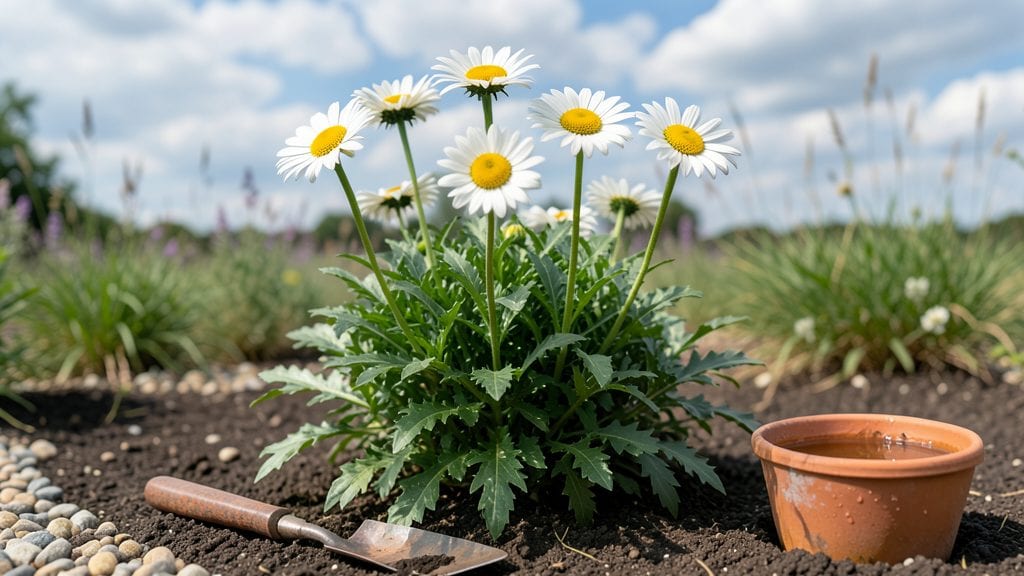
My marguerite daisy plants have become the star of my summer garden—cheerful white-and-yellow blooms that keep bees buzzing from June until frost. 🌻 The secret isn’t fancy techniques; it’s matching their simple needs to your growing space, whether that’s a sunny border or a container on your patio.
These daisies thrive in average garden soil as long as it drains well, and they’ll reward you with nonstop blooms if you give them 6+ hours of sunlight daily.
In containers, use a 5-gallon pot for each plant, and space them 18–24 inches apart in garden beds to prevent overcrowding. Water deeply once a week (more in extreme heat), and you’ll avoid the floppy stems that come from shallow watering.
Pruning is where the magic happens—snip back spent blooms to the next set of leaves, and you’ll trigger another wave of flowers within weeks. The plants stay compact, rarely need fertilizer, and bounce back from deer nibbles like champions.
By late summer, you’ll have a cloud of blooms that outshines anything you’ve grown before.
Works just as well in zone 3–10 gardens as it does on city balconies, and the pollinators will thank you. Here’s how to keep them blooming all season long.
📚 In This Guide
- What you need
- Instructions
- Tips and common mistakes
- Wrapping up and next steps
What you need
- ● Marguerite daisy plants: 3–5 healthy nursery-grown plants (or seeds for DIY growers). Choose varieties like Argyranthemum frutescens for classic blooms.
- ● Well-draining potting mix: 5–10 gallons (depending on pot size). Opt for a blend with perlite or sand for aeration.
- ● Containers or garden bed: Containers: 12–18" diameter pots (1 plant per pot) with drainage holes.
- ● Garden bed: Full sun (6+ hours/day) and loose, fertile soil (amend with compost if needed).
- ● Balanced fertilizer: 10–10–10 or 20–20–20 (1 tbsp per plant every 4–6 weeks during growing season).
- ● Watering can or hose with gentle nozzle (avoid overhead watering to prevent mildew).
- ● Pruning shears (for deadheading and shaping).
- ● Garden gloves (to protect hands from thorns on some varieties).
- ● Mulch (2–3" layer of shredded bark or straw to retain moisture).
- ● pH test kit (ideal soil pH: 6.0–7.0).
Step-by-Step guide to planting and maintaining marguerite daisy plants
Here’s how I grow these cheerful pollinator magnets—simple steps for vibrant blooms all season.
🌱 Step 1: Choose the Right Location and Prepare the Soil
Marguerite daisies thrive in full sun—at least 6-8 hours daily. Pick a spot where they’ll get morning sun and afternoon shade if your climate runs hot. I always test the soil first: dig a hole, squeeze a handful, and let it dry. If it stays clumpy, mix in compost to loosen it up.
These plants love well-draining soil. If your yard has heavy clay, amend it with sand or compost to improve airflow. Spread a 2-inch layer of mulch around the planting area to retain moisture and keep weeds at bay. The mulch also protects roots from temperature swings—critical in early spring or late fall.
🪴 Step 2: Plant Transplants at the Right Depth and Spacing
Dig holes twice as wide as the root ball but only as deep—planting too deep suffocates the roots. Gently remove the plant from its container, loosen any circling roots with your fingers, and place it in the hole. The top of the root ball should sit just below soil level.
Space plants 12-18 inches apart for full, bushy growth. If you’re planting in rows, leave 2 feet between rows for easy maintenance. Water deeply right after planting to settle the soil and eliminate air pockets. You’ll know it’s right when the soil looks firm but still crumbly—like a damp sponge.
☀️ Step 3: Water Consistently and Fertilize for Long-Lasting Blooms
Water 1-2 inches per week, aiming for the base of the plant—not the leaves—to prevent fungal diseases. Marguerite daisies hate soggy roots, so always check the soil before watering: stick your finger 1 inch deep. If it feels dry, water; if it’s damp, wait.
Feed with a balanced, slow-release fertilizer at planting time, then again in early summer. I use a 10-10-10 mix for a gentle boost. Deadhead spent blooms regularly—snip them back to the nearest set of leaves—to encourage nonstop flowering. This keeps the plants looking tidy and produces more flowers instead of seed heads.
✂️ Step 4: Prune and Divide for Healthy Growth
In early spring, trim back any dead or damaged stems to 6 inches tall. This jumpstarts new growth and keeps the plant compact. If your daisies get leggy, cut them back by one-third in late summer to promote bushier habits before winter.
Every 3-4 years, divide overcrowded clumps in early spring. Dig up the plant, separate the root sections with a sharp knife, and replant the healthiest pieces. This rejuvenates the plant and prevents blooms from becoming sparse. Divided daisies often flower even more vigorously the next season.
⏰ Step 5: Protect and Prepare for Winter
Marguerite daisies are hardy but benefit from a little winter care. Once frost hits, cut back stems to 2-3 inches tall and cover the base with 2-3 inches of mulch. This insulates the roots and prevents heaving during freeze-thaw cycles.
In early spring, remove the mulch and trim back any frost-damaged growth. Water lightly to wake up the roots, then wait for new shoots to emerge before fertilizing. You’ll see fresh green growth within 2-3 weeks—that’s your cue to start regular watering and deadheading again.
Tips & tricks for perfect marguerite daisy plants
These simple tricks will help you grow lush, blooming marguerite daisies that attract pollinators all season long.
Sunlight Secret: In Step 1, when choosing your location, remember that marguerite daisies need that full sun—at least 6-8 hours daily. If your climate gets particularly hot, position them to receive morning sun and afternoon shade. I've seen plants wilt dramatically when planted in full afternoon sun without shade, so this adjustment makes all the difference. The key is observing how the sun moves across your yard throughout the day.
Soil Test Tip: Before amending your soil in Step 1, do this quick test: squeeze a handful of soil and let it dry. If it stays clumpy, you know you need to add compost. For heavy clay soils, I've found mixing in equal parts sand and compost creates the perfect balance. This simple test saves you from guessing and ensures your daisies get the well-draining soil they love.
Planting Depth Strategy: When planting in Step 2, remember that the top of the root ball should sit just below soil level. I've made the mistake of planting too deep, which suffocates the roots and leads to poor growth. A good trick is to use your finger to make a small indentation at the correct depth before placing the plant. This visual cue helps you get it right every time.
Watering Wisdom: In Step 3, when watering your 1-2 inches per week, always aim for the base of the plant. I learned this the hard way when my daisies developed fungal issues from water hitting the leaves. The finger test—stick your finger 1 inch deep—is foolproof for determining when to water. This simple habit keeps your plants healthy and prevents common watering-related problems.
Pro Tips for Marguerite Daisy Plants
- These simple tricks will help you grow lush, blooming marguerite daisies that attract pollinators all season long.
- Sunlight Secret: In Step 1, when choosing your location, remember that marguerite daisies need that full sun—at least 6-8 hours daily.
- Soil Test Tip: Before amending your soil in Step 1, do this quick test: squeeze a handful of soil and let it dry.
Frequently asked questions
Got questions about growing and caring for marguerite daisy plants? You’re not alone! Here are answers to the most common queries—from planting tips to troubleshooting—so you can keep your pollinator paradise thriving all season.
When is the best time to plant marguerite daisies?
For annual varieties, sow seeds directly in the garden after the last frost in spring (when soil temps reach 60°F+). Perennial types thrive when planted in early spring or fall, giving roots time to establish before extreme weather. Pro tip: If you’re in a warm climate, plant in fall for winter blooms!
How often should I water marguerite daisies?
Keep soil consistently moist but not soggy—especially during the first few weeks after planting. Once established, they’re drought-tolerant but bloom best with 1 inch of water weekly. Water at the base to avoid wetting foliage (this prevents fungal diseases like powdery mildew).
What pests or diseases should I watch for?
Marguerite daisies are generally low-maintenance, but keep an eye out for aphids, spider mites, or slugs. Treat mild infestations with neem oil or insecticidal soap. For diseases, powdery mildew can appear in humid conditions—improve airflow and avoid overhead watering to prevent it.
Can I grow marguerite daisies in containers?
Choose a pot at least 12 inches wide with drainage holes and use well-draining potting mix. Dwarf varieties like ‘Little Dorothy’ work best. Place containers in full sun and water regularly—containers dry out faster than garden beds.
How do I keep marguerite daisies blooming all season?
Deadhead spent blooms regularly to encourage more flowers. Fertilize lightly with a balanced, water-soluble fertilizer every 4–6 weeks during the growing season. For perennials, cut back foliage in early spring to promote fresh growth and prolong blooms.
What are some great companion plants for marguerite daisies?
Pair them with pollinator-friendly plants like lavender, coneflowers, or salvia for a vibrant garden. They also thrive alongside vegetables like tomatoes or peppers—their bright blooms deter pests naturally! Avoid planting near mint or fennel, as they can stunt daisy growth.
Wrapping up and next steps
Growing marguerite daisy plants is a rewarding way to attract pollinators, brighten your garden, and enjoy effortless beauty all season long! With their cheerful blooms and low-maintenance nature, they’re perfect for beginners and experienced gardeners alike.
Whether you’re planting them in borders, containers, or as a pollinator-friendly companion, these hardy plants will thrive with just a little care.
Ready to transform your garden? Start by grabbing your seeds or young plants, picking the perfect spot, and giving them the love they deserve. Watch as your outdoor space buzzes with life—and color—from spring to frost! 🌼🐝