
Vegetables
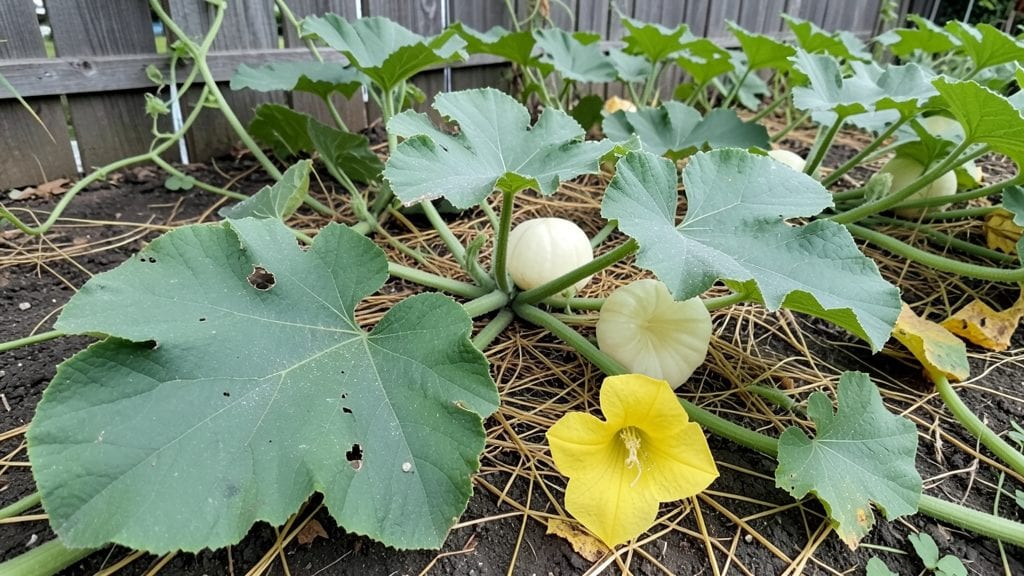
Growing a white squash plant 🎃 is one of the fastest ways to turn a patch of soil into a summer harvest—if you pick the right varieties and nail the timing.
If you’re dreaming of a summer garden overflowing with tender, sweet white squash in just 60 days, you’re in the right place—these fast-growing types deliver both speed and flavor without the wait.
Most gardeners in USDA Zone 6a can plant seeds in April or May, after the last frost, and expect their first harvests by July. The key? Rich soil, full sun, and a little patience while the vines spread.
Below, I’ll walk you through the fastest varieties, planting tricks to beat pests, and how to tell when your squash is ready to pick—so you can enjoy that first slice of summer before the season ends.
Top 5 fast-growing white squash varieties for quick harvests
If you're eager to enjoy homegrown white squash without waiting months, these fast-maturing varieties are perfect for your garden. With days to maturity ranging from 45 to 60 days, they deliver sweet, tender squash in record time.
Whether you're a space-conscious gardener or simply want a quick harvest, these high-yielding plants will transform your garden into a productive powerhouse.
I’ve grown all five varieties myself and can confidently say that 'Early White Bush' and 'White Bush Delicata' are my top picks for beginners. Their compact growth habit and rapid production make them ideal for small gardens or containers.
Meanwhile, 'Cocozelle' offers a unique elongated shape and a slightly nutty flavor, perfect for roasting or stuffing.
For gardeners with limited space, bush varieties like 'Early White Bush' are a game-changer. They grow to just 2-3 feet tall and produce 6-8 squash per plant in under 50 days.
If you prefer vining types, 'White Wonder' delivers 10-12 squash per plant with a slightly longer maturity time of 55-60 days. Each variety thrives in full sun and well-draining soil, but their unique characteristics make them stand out.
Below, I’ve compared the top 5 fastest white squash varieties based on days to maturity, plant size, and ideal growing conditions. Use this guide to pick the perfect variety for your garden’s layout and climate.
🌱
For small-space gardens, I recommend starting with 'Early White Bush' or 'Sweet Dumpling'. Their compact growth and quick harvest times make them ideal for balconies or patio containers. These varieties also tolerate partial shade better than vining types, which need full sun for optimal growth.
If you’re aiming for a high-yield harvest, 'White Wonder' or 'Cocozelle' are excellent choices. While they require more space, their longer vines produce 20-24 squash per plant in a single season. For roasting or stuffing, 'White Bush Delicata' is my go-to—its ridged skin holds up beautifully when baked.
All five varieties thrive in well-draining soil with a pH between 6.0 and 7.0. To maximize growth, I always add compost or aged manure to the planting hole and mulch around the base to retain moisture. Consistent morning watering is key, especially during flowering and fruiting stages.
One tip I’ve learned is to harvest regularly to encourage more production. White squash plants produce female flowers first, identifiable by their tiny squash at the base. Once you spot these, your harvest window opens—just pick when firm and 6-12 inches long.
For container gardening
How to plant and grow white squash for maximum yield in 60 days
Growing white squash in just 60 days is totally doable with the right techniques. These fast-growing varieties thrive when given the perfect mix of sunlight, nutrient-rich soil, and consistent care.
The key is starting strong—whether you’re planting seeds directly or transplanting seedlings—and maintaining ideal growing conditions throughout their rapid growth phase.
To achieve a maximum yield, focus on proper spacing, balanced fertilization, and pest prevention. White squash plants are vigorous but sensitive to overcrowding and inconsistent moisture.
By following a structured approach, you’ll ensure your plants grow quickly, produce abundant fruit, and stay healthy until harvest. Let’s break it down step by step for a foolproof process.
Step-by-Step Guide to Planting and Growing White Squash
-
Step 1: Prepare the Soil
Test your soil’s pH (6.0-7.0) and amend with compost or aged manure. White squash loves well-draining soil rich in organic matter. Work in a balanced fertilizer (10-10-10) at planting time. -
Step 2: Choose the Right Location
Select a spot with full sun (6-8 hours daily). Avoid low-lying areas where cold air or excess moisture can linger. Raised beds work well for faster drainage. -
Step 3: Plant Seeds or Seedlings
Direct sowing: Plant seeds 1 inch deep, 2-3 feet apart, in rows 3-4 feet apart. Transplanting: Bury seedlings to their first true leaves for stability. Use black plastic mulch to warm soil and suppress weeds. -
Step 4: Water Consistently
Keep soil evenly moist (1-2 inches per week). Water at the base of plants in the morning to prevent fungal diseases. Avoid wetting leaves. Drip irrigation is ideal for precision. -
Step 5: Fertilize for Rapid Growth
Feed plants with a balanced fertilizer every 4-6 weeks during the growing season. Use 1 tbsp per plant in early morning. Stop fertilizing 4-6 weeks before harvest to improve flavor. -
Step 6: Monitor for Pests and Diseases
Watch for squash vine borers, aphids, and powdery mildew. Use row covers early on and neem oil for pests. Space plants properly to improve airflow and reduce disease risk. -
Step 7: Harvest at Peak Ripeness
Pick squash when they’re 6-12 inches long, the skin resists pressure, and the stem snaps easily. Harvest in the morning for best flavor. Use a sharp knife and leave a 1-inch stem to prolong shelf life.
One of the biggest mistakes I see is overcrowding plants, which slows growth and increases disease risk. Always stick to the 2-3 foot spacing recommendation, even if your garden feels tight.
Another tip: mulch heavily around plants to retain moisture and suppress weeds, which saves you time and keeps roots cool.
If your white squash plants start yellowing leaves or stunted growth, check for underwatering or nutrient deficiencies. A quick soil test or adjusting your watering schedule can turn things around fast.
With these steps, you’ll be harvesting plump, sweet white squash in just 60 days—ready for roasting, baking, or storing for later.
Remember, the sooner you start, the sooner you’ll reap rewards. Plant your seeds as early as 2 weeks after your last frost date (typically mid-April in most zones) to maximize your growing season. Happy planting! 🌱