
Diseases
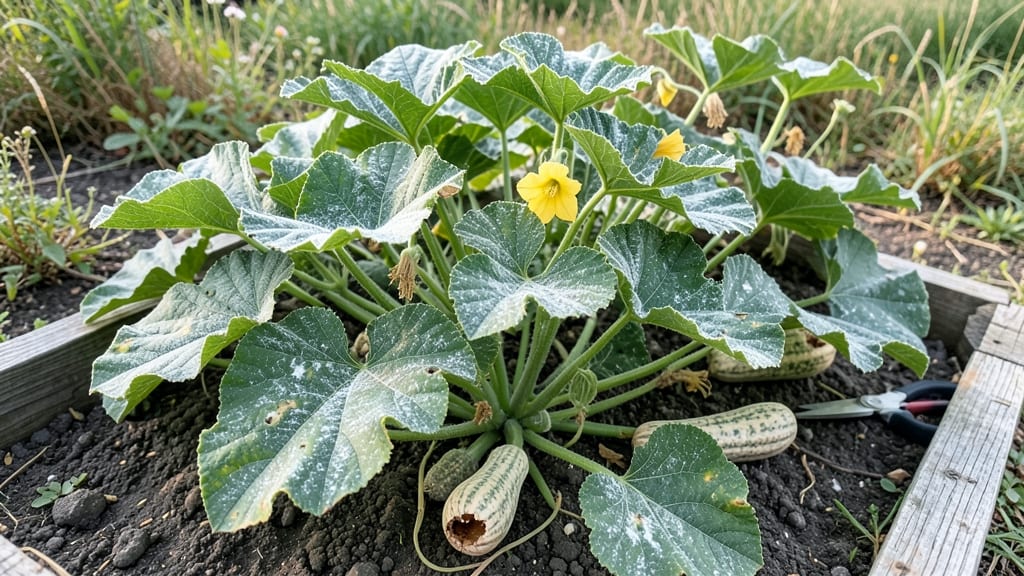
Butternut squash plant diseases strike fast—yellowing leaves, wilting vines, and rotting fruit can turn a thriving harvest into a disappointment in just days. 🌱 I’ve seen powdery mildew turn my squash patch into a ghostly white mess, and bacterial wilt collapse plants overnight.
The good news? You can spot these issues early and stop them before they ruin your crop.
Most fungal diseases thrive in damp, shady conditions, while bacterial wilt spreads through contaminated soil or tools. The key to prevention is airflow—space plants 18-24 inches apart, avoid overhead watering, and rotate crops yearly.
If you catch powdery mildew early, a baking soda spray (1 tablespoon per gallon of water) can save the day.
When diseases hit, act fast: prune infected leaves immediately, remove diseased plants from the garden, and sterilize tools with 70% rubbing alcohol. For stubborn fungal infections, copper fungicides work—but organic gardeners swear by neem oil or compost tea for long-term defense.
Don’t let one bad season scare you off. With the right practices, you’ll keep your butternut squash healthy, productive, and disease-free—no matter how fast those fungal foes try to sneak in.
The hidden triggers behind squash woes
Butternut squash plants, like all cucurbits, are vulnerable to a mix of environmental, biological, and cultural stressors that can turn a thriving vine into a diseased mess. Understanding why these problems occur is the first step to stopping them in their tracks.
Below, we break down the most common culprits—from sneaky pathogens to overlooked growing habits—so you can protect your crop before it’s too late.
Fungal diseases thrive when conditions align like a perfect storm. Butternut squash plants are especially susceptible when humidity, temperature, and moisture create the ideal breeding ground for pathogens.
- High Humidity + Warmth = Fungal Feast
Fungi like Phytophthora and Pythium (causing damping-off and root rot) love temperatures between 70–85°F (21–29°C) combined with 90%+ humidity.
If your garden feels like a sauna—especially at night—spores germinate rapidly, infecting leaves, stems, and roots within days. Powdery mildew (Podosphaera xanthii) also flourishes in these conditions, forming white, powdery patches that weaken the plant’s ability to photosynthesize.
- Poor Airflow = Disease Trap
Overcrowded plants or dense foliage trap moisture, creating microclimates where spores linger.
If your butternut squash vines are touching each other or blocked by weeds, stagnant air accelerates disease spread. Wind and rain can also splash spores from the soil onto leaves, kickstarting infections like downy mildew (Pseudoperonospora cubensis).
- Cold, Wet Springs = Early-Season Disasters
Cooler soils (below 60°F/15°C) slow seed germination and root growth, making young squash seedlings more vulnerable to Pythium or Fusarium wilt. Excessive rainfall during planting can waterlog the soil, suffocating roots and inviting Phytophthora to move in. Drainage issues in containers or heavy clay soil worsen the problem.
💡 Pro Tip: Use a hygrometer to monitor humidity. Aim for 40–60% during the day and 60–70% at night—any higher, and you’re rolling the dice on fungal infections.
Healthy soil is your first line of defense, but imbalances—whether from poor nutrition, compaction, or contamination—can weaken squash plants and invite diseases.
- Too Much Nitrogen = Soft, Disease-Prone Growth
While nitrogen fuels leafy growth, excessive nitrogen (from over-fertilizing or manure-heavy soil) produces weak, tender vines that fungi like powdery mildew or Alternaria leaf spot can chew through like butter. Potassium and phosphorus deficiencies, on the other hand, weaken cell walls, making plants more susceptible to Fusarium wilt.
- Compacted or Waterlogged Soil = Root Stress
Butternut squash roots need well-aerated, loose soil to thrive. Compacted or clay-heavy soil restricts oxygen, causing roots to rot from Pythium or Phytophthora.
Even worse, waterlogged conditions create the perfect anaerobic environment for these pathogens to multiply. Soil pH matters too: Most squash diseases prefer slightly acidic to neutral soil (pH 6.0–7.0)—outside this range, beneficial microbes struggle, and harmful fungi take over.
- Old or Contaminated Soil = Lingering Pathogens
If you’ve grown squash (or other cucurbits like cucumbers or melons) in the same spot year after year, soil-borne diseases like Fusarium or Verticillium wilt can build up.
These fungi survive in organic matter and infected plant debris, lying dormant until a new crop arrives. Crop rotation is non-negotiable—but even that won’t help if you’re not removing infected plant material.
🔥 Action Step: Test your soil’s organic matter, pH, and nutrient levels before planting. Amend with compost, perlite, or sand to improve drainage, and avoid fresh manure—it can burn roots and introduce pathogens.
Not all diseases are invited—they’re often delivered by wind, water, insects, or even your gardening tools. Here’s how the worst offenders sneak in.
- Wind and Rain = Spore Delivery System
Fungal spores are lightweight and hitchhike on wind currents, traveling miles to land on your squash leaves. Downy mildew, for example, spreads via spores carried by wind or splashing rain.
Once a plant is infected, it becomes a spore factory, releasing thousands more to infect neighbors. Overhead irrigation (like sprinklers) turns your watering routine into a disease-spreading party—spores splash onto leaves, bypassing the plant’s natural defenses.
- Insects and Pests = Disease Couriers
Some bugs don’t just eat your squash—they deliver pathogens. Aphids, cucumber beetles, and squash bugs can transmit viral diseases like cucumber mosaic virus (CMV) or zucchini yellow mosaic virus (ZYMV), which cause stunted growth, yellowing, and deformed fruit.
Even slugs and snails leave behind mucus that can introduce bacterial soft rot (Erwinia) to wounds.
- Contaminated Tools and Hands = Unseen Threats
Pruners, gloves, and even your bare hands can transfer fungal spores or bacterial cells from infected plants to healthy ones.
If you trim a diseased leaf and then touch a nearby vine, you’ve just given the pathogen a free ride. Reusing old mulch or compost from infected plants is another common mistake—pathogens survive in organic matter for years.
🎯 Prevention Hack: Disinfect tools with a 10% bleach solution (1 part bleach to 9 parts water) between uses, and avoid working in the garden when leaves are wet (morning is prime spore-splashing time).
Now that you know why butternut squash diseases strike, the next step is identifying the culprit and locking them out for good. Stay tuned!
Quick Fixes for Squash Ailments
When your butternut squash plants show signs of disease, acting fast can save your harvest—and your sanity! Below are practical, step-by-step solutions tailored to the most common fungal and bacterial threats, plus preventive tips to keep your garden thriving. 🌱💪
Cause: White, powdery fungus thrives in humid, shady conditions. Fix It: 🔥 Remove Infected Leaves – Snip off heavily mildewed foliage (don’t compost it!) and destroy it immediately. This stops the fungus from spreading. 🍳 Homemade Spray – Mix 1 tbsp baking soda + 1 tsp dish soap + 1 gallon water in a spray bottle. Apply to both leaf surfaces every 5–7 days until symptoms fade. 👨🍳 Boost Airflow – Prune crowded vines to improve circulation. Stake plants if needed to keep leaves dry. 🌡️ Prevent Recurrence – Plant in full sun (6+ hours/day) and avoid overhead watering. Water at the base in the morning so leaves dry quickly.
Cause: Yellow spots on top, fuzzy gray growth underneath—spreads rapidly in wet weather. Fix It: 🔥 Isolate Plants – Move infected squash 10+ feet away from healthy vines to prevent spores from drifting. 🍳 Copper Fungicide – Use a ready-made copper spray (like Bonide Copper Fungicide) at the first sign of yellowing. Reapply every 7–10 days for 2–3 weeks. 👨🍳 Preventive Mulch – Spread straw or black plastic mulch to keep soil moist (not soggy) and reduce splashing spores. ✨ Resistant Varieties – Next season, try ‘Walthham Butternut’ or ‘Sugar Pie’, which tolerate downy mildew better.
Cause: Wilting, yellowing, and oozing stems from Erwinia bacteria (often spread by squash vine borers). Fix It: 🔪 Pull and Burn – Do NOT compost infected plants. Bag and trash them to stop bacterial spread. 🌱 Rotate Crops – Avoid planting squash in the same spot for 3+ years to break the bacterial cycle. 🎯 Traps for Borers – Place yellow sticky traps near plants to catch adult borers before they lay eggs. 💡 Pro Tip: If you spot borer holes, drip hot water (140°F) into the stem to kill larvae (works best in early infection).
Cause: Dark, sunken lesions on fruit/stems in warm, rainy weather. Fix It: 🔥 Sanitize Tools – Clean pruners with 70% rubbing alcohol between cuts to avoid spreading spores. 🍳 Neem Oil Spray – Mix 2 tbsp neem oil + 1 tsp mild soap + 1 quart water. Spray every 10 days during wet seasons. 👨🍳 Harvest Early – Pick squash before lesions appear if the season is humid. Store in a cool, dry place (50–55°F). 🌡️ Prevent Soil Splash – Use drip irrigation instead of overhead watering to keep foliage dry.
Cause: Stunted growth, mosaic patterns, and deformed fruit (spread by aphids). Fix It: 🔥 Remove All Infected Plants – This virus has no cure; pull and destroy every infected vine. 🍳 Aphid Control – Spray with soapy water (1 tsp castile soap + 1 quart water) or introduce ladybugs to eat aphids. 👨🍳 Row Covers – Use floating row covers early in the season to block aphids entirely. 💡 Pro Tip: Plant marigolds nearby—their scent repels aphids naturally!
| Step | Action |
|---|---|
| Start Clean | Sterilize soil with solarization (clear plastic sheets in summer) or composted manure. |
| Space Plants | Keep vines 3–4 feet apart for airflow. |
| Monitor Weather | Avoid planting in high-humidity zones or use raised beds for drainage. |
| Crop Rotation | Never plant squash in the same spot two years in a row. |
| Healthy Soil | Add compost + mycorrhizal fungi to boost plant resilience. |
🚨 Emergency Move: If disease hits mid-season, consider harvesting early (smaller butternuts are sweeter!) and switching to resistant crops like pumpkins or zucchini for next year.
By tackling problems early and preventively, you’ll enjoy a bountiful, disease-free harvest—no stress, just sweet squash! 🎉🍠
Frequently asked questions
What are the most common signs of butternut squash diseases?
Look for white powdery coatings (powdery mildew), yellow spots with gray fuzzy patches (downy mildew), or sudden wilting with oozing stems (bacterial wilt). Dark, sunken lesions on fruit or stems signal fungal infections like Alternaria or Phytophthora. Stunted growth with mosaic patterns usually means a viral infection spread by aphids.
Can I save a diseased butternut squash plant?
Only if you catch it early! For fungal diseases like powdery mildew, prune infected leaves immediately and apply a baking soda spray. For bacterial wilt or viral infections, remove the entire plant to prevent spread—there’s no cure. Act within 24–48 hours of first symptoms for the best chance of saving healthy parts.
How do I prevent diseases in my squash patch?
Start with clean soil—sterilize beds with solarization or composted manure. Space plants 3–4 feet apart for airflow, and water at the base in the morning. Use drip irrigation instead of overhead sprinklers, and rotate crops yearly. Add mulch to prevent soil splash, and disinfect tools with 70% rubbing alcohol between uses.
Are there organic treatments for fungal infections?
Yes! For powdery mildew, mix 1 tbsp baking soda + 1 tsp dish soap + 1 gallon water and spray every 5–7 days. Neem oil (2 tbsp + 1 tsp soap per quart of water) works against Alternaria and downy mildew. Copper fungicides are also organic-approved—just reapply every 7–10 days during wet seasons.
Why do my squash plants get diseases even with good care?
Diseases often strike due to unpredictable weather (like sudden humidity spikes) or hidden pathogens in old soil. Even resistant varieties can fail if stressed—check for pests (aphids, squash bugs) that spread viruses. Test soil pH (6.0–7.0) and ensure proper drainage, as waterlogged roots invite Pythium or Phytophthora.