
Diseases
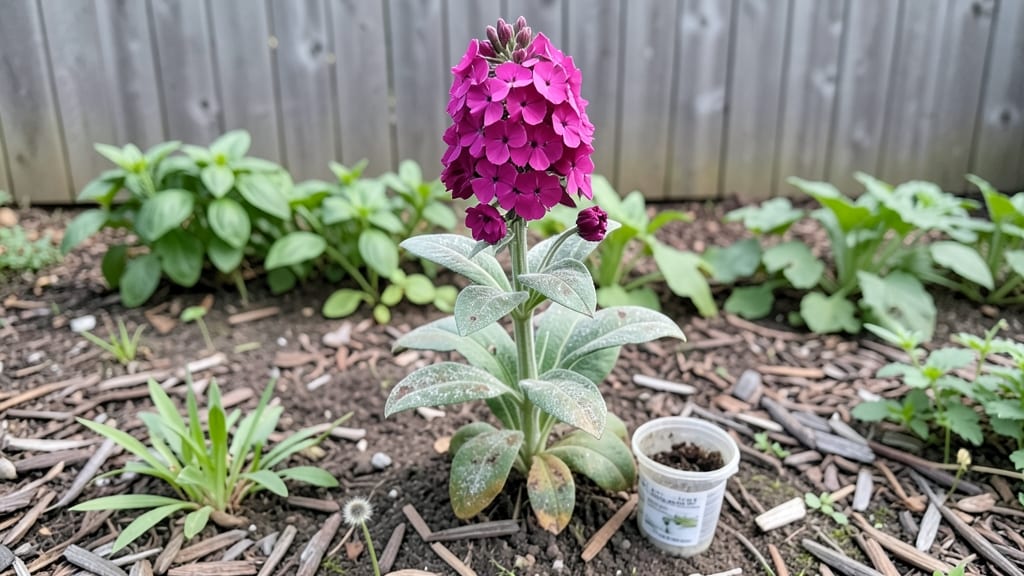
Phlox plant diseases can turn your vibrant blooms into a sad, spotted mess if you don’t catch them early. 🌿 I’ve watched powdery mildew creep across my garden phlox like a white blanket, smothering the flowers before they even open.
The key to saving your plants isn’t just spotting the problem—it’s knowing what to do the second you see those first suspicious spots or fuzzy patches.
Most fungal issues start with too much moisture, whether from overhead watering or crowded stems that don’t dry quickly. Powdery mildew loves humid mornings, leaf spots thrive in wet foliage, and rust spores hitchhike on wind or tools.
The good news? You can prevent 90% of problems with simple habits—like watering at the base, spacing plants properly, and cleaning up fallen leaves where spores hide.
Once you spot trouble, act fast with organic fixes like neem oil or baking soda spray for mildew, or prune out infected stems before they spread. For stubborn cases, fungicides work—but only as a last resort.
Your goal isn’t just to treat the symptoms but to break the cycle so next season’s phlox stay as bold and healthy as the day you planted them.
This isn’t just about saving a few plants—it’s about reclaiming your garden’s pride. With the right moves, your phlox will bounce back stronger, and you’ll spot threats before they become full-blown disasters. Let’s get your garden back to its showstopping best.
Root Causes of Phlox Illness
Phlox plants, with their vibrant blooms and lush foliage, are a garden favorite—but they’re not immune to disease. Understanding why these issues arise is the first step to prevention. Below, we break down the key factors that turn your healthy phlox into a battleground for pathogens.
Phlox thrives in open spaces, but when plants are too close together, humidity lingers, and moisture can’t evaporate quickly. This creates the perfect breeding ground for fungal spores, which thrive in damp, stagnant air.
- Why it happens: Fungal diseases like powdery mildew and leaf spot spread rapidly in crowded gardens because spores can easily jump from plant to plant via wind or splashing water.
- Actionable fix: Space phlox at least 18–24 inches apart to improve airflow. Prune overgrown stems and remove debris to reduce hiding spots for pathogens.
Phlox plants hate "wet feet"—when soil stays soggy for too long, it weakens roots and invites root rot and stem cankers. Overwatering or clay-heavy soil traps moisture, accelerating fungal growth.
- Why it happens: Fungi like Botrytis (gray mold) and Phytophthora (root rot) thrive in waterlogged conditions. Even well-draining soil can become problematic if irrigation is inconsistent.
- Actionable fix:
- Amend soil with compost or perlite to improve drainage.
- Water deeply but infrequently—aim for 1 inch per week, adjusting for rain.
- Avoid overhead watering; use drip irrigation or soaker hoses to keep foliage dry.
Even the cleanest garden can harbor hidden threats. Fungal spores linger in old mulch, infected plant debris, or unsterilized pruners, waiting for the right conditions to strike.
- Why it happens: Spores from previous infections (e.g., rust or septoria leaf spot) can survive in soil for years. Reusing tools without cleaning them spreads these spores like wildfire.
- Actionable fix:
- Sterilize pruners with rubbing alcohol or a 10% bleach solution between cuts.
- Remove and dispose of infected plant material (don’t compost it!).
- Rotate crops—don’t plant phlox in the same spot year after year.
Phlox under stress—whether from heat stress, cold snaps, or poor nutrition—becomes vulnerable to disease. Weak plants can’t fight off pathogens as effectively as healthy ones.
- Why it happens:
- Heat stress: High temperatures (above 85°F) weaken phlox, making it susceptible to powdery mildew.
- Nutrient deficiencies: Low phosphorus or potassium levels reduce disease resistance.
- Transplant shock: Recently planted phlox may struggle if not acclimated properly.
- Actionable fix:
- Provide afternoon shade in hot climates to prevent heat stress.
- Fertilize with a balanced 10-10-10 or 5-10-10 formula in early spring.
- Hardening off transplants by gradually exposing them to outdoor conditions over 7–10 days.
Some diseases don’t act alone—insects like aphids, slugs, and Japanese beetles create entry points for fungi by damaging leaves and stems.
- Why it happens: Chewed leaves and stems disrupt the plant’s protective barrier, allowing fungal spores to invade. For example, Botrytis often follows aphid infestations.
- Actionable fix:
- Monitor for pests regularly and use neem oil or insecticidal soap as a preventive spray.
- Set up beer traps for slugs or use diatomaceous earth for beetle control.
- Encourage beneficial insects like ladybugs to keep pest populations in check.
💡 Pro Tip: The best defense is prevention. Healthy phlox with good airflow, proper watering, and regular maintenance rarely fall victim to severe diseases. If you spot early signs (like yellowing leaves or white powder), act fast—fungicides like neem oil or copper fungicide can stop outbreaks before they spread.
Quick Fixes for Common Phlox Ailments
Revive your phlox blooms with these targeted solutions—each tailored to the root cause of the problem. From fungal foes to environmental stressors, we’ve broken down the fixes into easy, actionable steps. Prevention tips are sprinkled in to keep your garden thriving long-term!
Fungal infections like powdery mildew (white powdery coating) or rust (orange-brown spots) thrive in damp, shaded conditions. Act fast to save your plants!
🔥 Step 1: Prune & Remove Infected Leaves
- How: Snip off heavily infected foliage with clean, sterilized scissors (dip in rubbing alcohol between cuts).
- Why: Prevents spores from spreading to healthy leaves.
- Pro Tip: 💡 Bag and discard infected clippings in the trash—never compost them!
🍳 Step 2: Apply Fungicide
- Options:
- Baking Soda Spray: Mix 1 tsp baking soda + 1 tbsp vegetable oil + 1 tsp mild soap in 1 quart of water.
Spray undersides of leaves (where spores hide). - Neem Oil: 2 tsp neem oil + 1 tsp soap per quart of water.
Reapply every 7–10 days. - Store-Bought Fungicide: Copper-based or sulfur sprays work well (follow label instructions). - When: Apply in the early morning so leaves dry quickly—fungi love moisture!
🌡️ Step 3: Improve Airflow & Light
- How:
- Space plants 12–18 inches apart.
- Thin out overcrowded stems.
- Move pots to a sunnier spot (phlox needs 6+ hours of sunlight/day).
- Prevention: 🌡️ Water at the base (not overhead) and avoid evening watering.
Tiny invaders can weaken phlox, making them vulnerable to diseases. Kick them out with these tricks!
👨🍳 Step 1: Blast Them Off
- Aphids/Spider Mites: Spray plants with a strong stream of water to dislodge pests. Repeat every 3–4 days.
- Slugs: Set up beer traps (bury a shallow dish filled with beer near plants) or use iron phosphate pellets (pet-safe).
🔪 Step 2: Use Natural Repellents
- Insecticidal Soap: Mix 1 tbsp mild soap + 1 quart water.
Spray directly on pests (test on a small leaf first). - Diatomaceous Earth: Sprinkle lightly around the base of plants (reapply after rain). ⚠️ Avoid breathing it in! - Companion Plants: Plant marigolds or garlic nearby to deter pests naturally.
⏰ Step 3: Monitor & Repeat
- Check plants daily for new pests, especially after rain.
- Prevention: 🎯 Install fine mesh netting over young phlox to block aphids.
Mushy stems or yellowing leaves? Your phlox might be drowning. Drainage is key!
💧 Step 1: Check the Soil
- Test Drainage: Dig a hole 6 inches deep—if water pools after 30 minutes, amend the soil.
- Fix Poor Drainage:
- Add perlite or sand to heavy clay soil.
- For pots, ensure drainage holes are unblocked and use a well-draining mix (50% potting soil, 30% perlite, 20% compost).
🌿 Step 2: Adjust Watering Habits
- How Much? Water deeply 1–2 times per week (let top 1–2 inches of soil dry out between waterings).
- When? Water in the morning so leaves dry by sunset.
- Pro Tip: 🌡️ Use a moisture meter to avoid guesswork!
🔄 Step 3: Revive Stressed Plants
- Trim Damaged Roots: If roots look black/mushy, trim them with sterilized scissors and repot in fresh soil.
- Fertilize Lightly: Use a balanced, water-soluble fertilizer (10-10-10) once after recovery.
Keep these habits to stop diseases before they start: ✅ Space plants properly (12–18" apart for airflow). ✅ Water at the base, never overhead. ✅ Deadhead spent blooms to redirect energy to roots. ✅ Rotate crops—don’t plant phlox in the same spot year after year. ✅ Mulch lightly (1–2 inches) with straw or shredded bark to deter soil-borne fungi. ✅ Inspect plants weekly—early detection = easier fixes!
Remember: Most phlox diseases are preventable with good hygiene and smart gardening. Once you spot a problem, act fast—but don’t panic! With these fixes, your phlox will bounce back stronger than ever. 🌸
Frequently asked questions
What are the most common diseases affecting phlox plants?
The three most frequent issues are powdery mildew (white fuzzy coating), leaf spot (brown/yellow spots), and rust (orange-brown pustules). These fungal infections thrive in humid conditions and can quickly spread if left unchecked. Early identification is key to saving your plants.
How can I tell if my phlox has a fungal infection?
Look for powdery white residue (mildew), dark spots with yellow halos (leaf spot), or orange-brown bumps on leaf undersides (rust). Check both top and bottom leaves—fungi often start on the undersides where moisture lingers. Act within 3-5 days of noticing symptoms for best results.
Is it safe to use store-bought fungicides on phlox?
Yes, but start with organic options first. Neem oil or copper fungicide are effective for mildew and rust. For severe cases, systemic fungicides like myclobutanil can help, but always follow label instructions carefully. Test on one leaf first to check for sensitivity.
Can I still save my phlox if it's already heavily infected?
It depends on how far it's progressed. For mild cases, prune infected stems and apply fungicide immediately. In severe infections (like extensive rust or mildew), you may need to remove the entire plant to prevent spread. Always sterilize your tools between cuts to avoid cross-contamination.
How do I prevent phlox diseases next season?
Focus on airflow, proper spacing, and good hygiene. Space plants 18-24 inches apart, water at the base (never overhead), and clean up fallen leaves. Rotate planting locations every 2-3 years to break disease cycles. Mulch lightly with straw to deter soil-borne fungi.