
Diseases
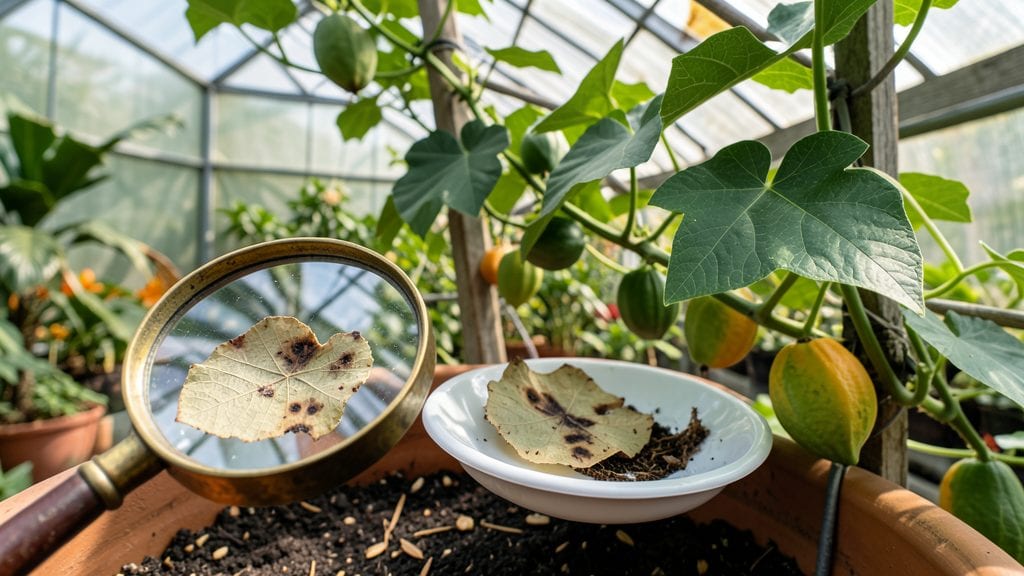
Passion fruit plant diseases can turn your vine into a sad, wilted mess if you don’t catch them early. I’ve seen healthy vines go from lush and productive to barely hanging on in just a few weeks—usually because the first brown spots were ignored.
The good news? Most fungal threats respond well to quick action, and prevention is simpler than you think.
Fungal infections like woodiness virus and bacterial blight love warm, humid conditions, which means your passion fruit vine is basically a buffet. Yellowing leaves, dark spots, or oozing stems are red flags—don’t wait for the whole plant to look like a science experiment.
A mix of copper spray, proper airflow, and sanitized tools can stop outbreaks before they start.
With the right approach, you’ll save your vine and even boost its resilience. Prune infected areas immediately, avoid overhead watering, and rotate your crops if you’ve had issues before. By the time you spot the first warning sign, you’ll already know exactly how to act—no panic, just problem-solving.
This isn’t just about fixing problems—it’s about keeping your passion fruit vine thriving for years. The key is staying ahead of the fungi, not playing catch-up. Let’s get your vine back to producing those sweet, tropical fruits without the stress.
Root Causes Of Passion Fruit Ailments
Passion fruit plants, while resilient, are vulnerable to a range of diseases that can stunt growth, reduce yields, and even kill the plant if left unchecked. Understanding the why behind these issues is the first step to prevention.
Below, we break down the most common triggers—from environmental factors to biological invaders—and explain how they create the perfect storm for disease.
Passion fruit plants thrive in specific conditions, and when these are disrupted, diseases flourish. Here’s how environmental factors set the stage for trouble:
- Excess Moisture: Passion fruit plants hate soggy roots. Overwatering, poor drainage, or heavy rainfall creates a waterlogged soil environment, which promotes fungal growth like Phytophthora and Fusarium. These pathogens thrive in anaerobic (low-oxygen) conditions, leading to root rot and stem collapse. Pro tip: Ensure well-draining soil and avoid watering at night to allow foliage to dry quickly. 💡
- High Humidity: Stagnant, humid air is a breeding ground for fungal spores. Diseases like woodiness virus and anthracnose spread rapidly in these conditions, often appearing as dark, sunken lesions on leaves and fruit. Pro tip: Prune for airflow and use shade cloth to reduce humidity around plants without sacrificing sunlight. ✨
- Extreme Temperatures: Passion fruit plants prefer warm climates (70–85°F). Cold snaps or heatwaves weaken the plant’s defenses, making it easier for pathogens to invade. For example, bacterial blight becomes more aggressive in cool, wet weather. Pro tip: Use row covers in early spring or late fall to protect young plants from temperature shocks. 🌡️
Diseases don’t just appear out of nowhere—they’re often introduced by external agents. Here’s how pathogens exploit passion fruit plants:
- Fungal Spores: Fungi like Colletotrichum (cause of anthracnose) and Alternaria produce spores that linger in soil, plant debris, or even the air. These spores germinate when conditions are favorable (e.g., warm, wet weather), infecting leaves, stems, and fruit. Pro tip: Remove and destroy infected plant material immediately to break the spore cycle. 🔥
- Bacterial Infections: Bacteria such as Xanthomonas (bacterial spot) enter through wounds (e.g., pruning cuts or insect damage) and multiply rapidly in moist conditions. They cause water-soaked lesions that ooze bacterial fluid, spreading the disease to healthy tissue. Pro tip: Sterilize pruning tools with rubbing alcohol to prevent cross-contamination. 🔪
- Viruses: Viruses like passion fruit woodiness virus are spread by sap-sucking insects (e.g., aphids or whiteflies) or contaminated tools. Once inside the plant, they disrupt nutrient transport, leading to stunted growth, leaf curling, and reduced fruit quality. Pro tip: Monitor for pests and use reflective mulch to deter insect vectors. 🐜
A healthy passion fruit plant can fend off many diseases, but stress makes it an easy target. These factors compromise its immunity:
- Nutrient Deficiencies: Lack of key nutrients (e.g., nitrogen, potassium, or magnesium) weakens cell walls, making plants more susceptible to invasions. For example, potassium deficiency reduces disease resistance, while nitrogen deficiency leads to thin, weak stems—ideal entry points for pathogens. Pro tip: Conduct a soil test and amend with compost or balanced fertilizer to ensure optimal nutrition. 📊
- Physical Damage: Wounds from pruning, hail, or herbivores create entry points for bacteria and fungi. Even minor damage can lead to infections if not treated promptly. Pro tip: Prune during dry weather and seal cuts with a copper-based fungicide to prevent infection. 🌿
- Overcrowding: Dense plantings reduce airflow and increase humidity at the canopy level, creating ideal conditions for fungal diseases. Overcrowded roots also compete for nutrients, further weakening the plant. Pro tip: Space plants 6–8 feet apart and thin out overgrown vines to improve circulation. 🌬️
Sometimes, the problem starts with what’s already in your garden:
- Reused Tools: Pruners, knives, or stakes contaminated with old plant sap can transfer pathogens from one plant to another. Even seemingly clean tools may harbor dormant spores. Pro tip: Clean tools with a 10% bleach solution (1 part bleach to 9 parts water) or 70% isopropyl alcohol between uses. 🧼
- Infested Soil: Soil carrying fungal spores, nematodes, or bacterial colonies from previous crops can reinfect new passion fruit plants. Pro tip: Solarize soil in the off-season or plant in raised beds with fresh, sterile potting mix to minimize risks. 🌱
By addressing these root causes—whether through environmental adjustments, hygiene practices, or plant care—you can drastically reduce the risk of passion fruit diseases and keep your plants thriving. 💪
Quick Fixes for Passion Fruit Ailments
When your passion fruit plants show signs of distress, acting fast can mean the difference between a thriving harvest and a lost crop. Below are practical, step-by-step solutions tailored to the most common diseases, along with prevention tips to keep your plants healthy long-term.
🔥 Treat Powdery Mildew
Powdery mildew coats leaves in a white, powdery layer, blocking sunlight and weakening the plant.
- 🍳 Remove Infected Leaves Snip off heavily infected leaves with sterilized pruners (clean with rubbing alcohol) and dispose of them in the trash—not the compost. This stops the fungus from spreading.
- 👨🍳 Apply Fungicide Sprays Use a copper-based fungicide (like copper sulfate) or a neem oil solution (1 tbsp neem oil + 1 tsp mild soap per quart of water). Spray early in the morning on both leaf surfaces to avoid scorching.
- 🌡️ Improve Air Circulation Thin out overcrowded vines and prune for better airflow. Avoid overhead watering—use a drip irrigation system instead.
- ✨ Prevention Tip Space plants 3–4 feet apart and mulch with straw (not wood chips, which retain moisture). Rotate crops every 2–3 years to prevent soil-borne fungus buildup.
🍳 Fix Anthracnose and Fruit Rot
Dark, sunken spots on leaves and fruit? Anthracnose thrives in warm, humid conditions.
- 🔪 Prune and Burn Infected Fruit Remove all infected fruit and leaves immediately. Do not compost—burn or trash them to prevent spores from spreading.
- 💡 Use a Preventative Spray Mix 1 tbsp baking soda + 1 tsp dish soap + 1 gallon of water and spray weekly as a preventive measure. For severe cases, switch to a fungicide with chlorothalonil.
- 🌡️ Adjust Watering Habits Water only at the base of the plant in the early morning. Avoid wetting leaves, especially during high humidity (60%+).
- 🎯 Prevention Tip Sanitize tools before and after pruning. Choose disease-resistant varieties like ‘Panama Red’ or ‘Sweet Gem’ if anthracnose is recurrent in your area.
🍳 Cure Bacterial Leaf Spot
Yellow halos around dark spots? This bacterial infection spreads quickly in wet conditions.
- 👨🍳 Remove and Destroy Infected Parts Cut off all spotted leaves and fruit with sterilized shears. Do not compost—seal in a plastic bag for disposal.
- 🌡️ Copper Spray for Control Apply a copper fungicide (like Bordeaux mixture) every 7–10 days during rainy seasons. Avoid spraying when rain is forecasted—it washes off.
- ✨ Prevention Tip Rotate crops—don’t plant passion fruit in the same spot year after year. Plant in raised beds to improve drainage.
While not diseases, pests weaken plants, making them susceptible to infections.
- 🔪 Blast Off Mealybugs Wipe infested areas with a 70% alcohol-soaked cotton swab. For heavy infestations, spray insecticidal soap (1.5 tbsp per gallon of water).
- 💡 Treat Spider Mites with Oil Mix 1 tbsp horticultural oil + 1 tsp mild soap per gallon of water and spray every 5 days until mites disappear.
- 🎯 Prevention Tip Introduce beneficial insects like ladybugs or lacewings. Inspect new plants before bringing them home—quarantine for a week if needed.
Even after treating diseases, boost your plant’s immunity with these easy care steps:
- 🥗 Fertilize Smartly Use a balanced fertilizer (10-10-10) every 6–8 weeks during growing season. Avoid over-fertilizing—it stresses roots.
- 💪 Support Weak Vines Install trellises or stakes to prevent vines from touching the ground (where fungi lurk). Use soft ties to avoid damaging stems.
- 🌡️ Monitor Soil pH Passion fruit thrives in slightly acidic soil (6.0–7.0). Test soil with a home pH kit and amend with lime (to raise pH) or sulfur (to lower pH) as needed.
Final Pro Tip: 🌿 Keep a plant journal—note when diseases appear, weather patterns, and treatments used. This helps you spot trends and adjust care next season!
Frequently asked questions
What are the first signs my passion fruit vine has a fungal disease?
Watch for yellowing leaves, white powdery coatings (powdery mildew), or dark sunken spots on fruit and stems. Early symptoms often appear on lower leaves first. If you see these, act fast—fungal spores spread quickly in warm, humid conditions.
Can I still eat fruit from a passion fruit vine with fungal spots?
Only if the spots are small and superficial. Remove any fruit with deep lesions or oozing—these are unsafe to eat. For surface spots, wash fruit thoroughly with a 10% vinegar solution before eating, but avoid consuming fruit from heavily infected plants.
How often should I spray my passion fruit plants with fungicide?
Apply fungicide every 7–14 days during high-risk seasons (spring/fall) or after heavy rain. For prevention, use copper-based sprays or neem oil—these are safer for edible plants. Stop spraying 2 weeks before harvest to avoid residue.
Will pruning help prevent passion fruit diseases?
Prune to improve airflow and remove infected leaves/fruit immediately. Cut back overcrowded vines and sterilize tools between cuts. Thin out foliage so sunlight reaches the center—this dries leaves faster and discourages fungal growth.
When should I call a plant specialist for my passion fruit vine?
If your plant shows rapid wilting, unusual growths, or no response to treatments after 2 weeks, consult an expert. Severe cases of woodiness virus or root rot often require professional diagnosis and may mean replacing the plant.