Diseases
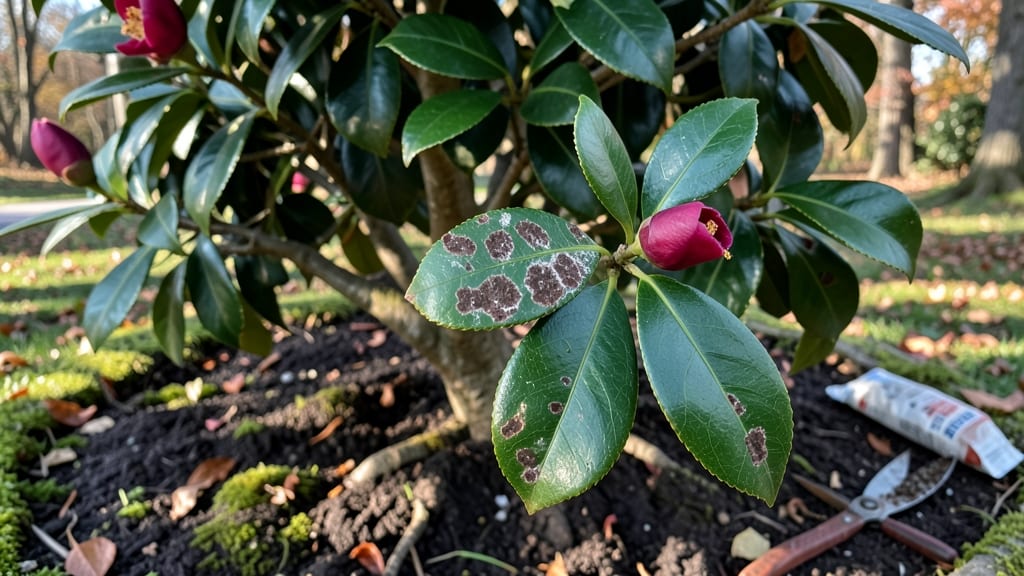
Camellia plant diseases can turn your glossy evergreen into a sad, spotted mess if you don’t catch them early. 🌿 I’ve seen petal blight turn vibrant blooms into brown slime and dieback strip branches bare—both heartbreaking to watch.
The good news? Most fungal issues follow predictable patterns, so once you recognize the symptoms, you can act fast.
Fungal infections like petal blight thrive in wet, humid conditions, while dieback often starts with weak branches stressed by poor drainage or overwatering. The key is prevention: prune for airflow, water at the base (not overhead), and avoid mulch piles against stems.
If you spot dark spots on leaves or flowers, that’s your cue to isolate the plant and treat it before it spreads.
You’ll learn to identify each disease by its unique marks—yellowing leaves for camellia leaf gall, sticky residue for honeydew, or blackened buds for anthracnose—and how to treat them with organic sprays or targeted fungicides.
The goal is to save your camellia’s health without sacrificing its beauty. Let’s get those plants fighting back.
For stubborn cases or large-scale infections, I’ll tell you when to call in a pro instead of guessing. But most home gardeners can handle these threats with the right tools and timing—no PhD required. Your camellia’s comeback starts here.
Root Causes of Camellia Woes
Camellias are prized for their lush foliage and stunning blooms, but when diseases strike, they can quickly turn from vibrant to wilted. Understanding why these fungal threats take hold is the first step to prevention.
Below, we break down the key factors that create the perfect storm for camellia plant diseases—so you can nip them in the bud before they spread.
Fungal pathogens like Phytophthora and Botrytis thrive in moisture-rich environments. When camellias sit in soggy soil or are watered improperly, their leaves and stems remain damp for extended periods—creating an ideal breeding ground for spores.
- Why it happens: Poor drainage, overhead watering, or heavy rainfall keeps fungal spores hydrated and active. Many camellia diseases (e.g., anthracnose) spread faster in temperatures between 60–80°F (15–27°C), especially when humidity hovers above 70%.
- Actionable fix:
- Ensure pots or garden beds have well-draining soil mixed with perlite or sand.
- Avoid watering at dusk or night—opt for early morning instead.
- Use drip irrigation or soaker hoses to keep foliage dry.
Camellias left in tight clusters or shaded by overgrown branches suffer from stagnant air, trapping heat and moisture. This slows evaporation and allows fungal spores to latch onto leaves and stems.
- Why it happens: Fungal spores (like those causing powdery mildew) spread via wind or splashing water, but they germinate faster in still, humid air. Dense foliage also blocks sunlight, weakening the plant’s natural defenses.
- Actionable fix:
- Prune overlapping branches to improve airflow.
- Space new plants 6–10 feet apart in garden beds.
- Use fan circulation in greenhouses or shaded areas.
Stressed camellias—whether from nutrient deficiencies, pests, or environmental shocks—are far more susceptible to infections. Think of it like a human with a compromised immune system catching every cold that comes their way.
- Why it happens:
- Nitrogen deficiency (yellowing leaves) or iron chlorosis (pale new growth) weaken cell walls, making them easier targets for fungi like Fusarium.
- Root damage (from overwatering or compacted soil) disrupts nutrient uptake, leaving the plant vulnerable.
- Sudden temperature swings (e.g., frost followed by heat) shock the plant, opening wounds for pathogens.
- Actionable fix:
- Test soil pH (5.5–6.5 is ideal) and amend with compost or sulfur if needed.
- Fertilize with balanced NPK (e.g., 10-10-10) in early spring and fall.
- Mulch with 3–4 inches of organic matter to protect roots from temperature extremes.
Fungal spores are persistent—they can linger in soil for years or hitch a ride on pruners, gloves, or even your shoes. If you’ve had infected camellias before, the problem might already be baked into the environment.
- Why it happens:
- Reusing unsterilized tools spreads spores from dead leaves or stems to healthy plants.
- Infected plant debris (e.g., fallen leaves with anthracnose spots) decomposes and releases spores back into the soil.
- Poorly composted manure or contaminated topsoil can introduce Phytophthora or Pythium.
- Actionable fix:
- Sterilize tools with 70% rubbing alcohol or a 10% bleach solution between uses.
- Remove and dispose of infected plant parts (do not compost them).
- Solarize soil in late summer by covering it with clear plastic for 4–6 weeks to kill dormant spores.
Pro Tip: 💡 Most camellia diseases start small—spot them early by inspecting undersides of leaves and new growth regularly. A little prevention now saves hours of treatment later!
Quick Fixes for Fungal Camellia Troubles
When your camellia starts showing signs of distress—whether it’s dark spots, wilting leaves, or mysterious blemishes—acting fast can mean the difference between a sad goodbye and a full recovery.
Below, we’ve mapped out practical, step-by-step solutions for the most common fungal threats, along with prevention tips to keep your camellia thriving. No green thumb? No problem. These fixes are designed for gardeners of all levels.
Symptoms: Brown, greasy spots on petals and leaves that spread rapidly.
How to Treat It:
- 🔥 Remove Infected Parts Snip off and dispose of (don’t compost!) any infected petals, buds, or leaves. Use sterilized pruners (wipe with rubbing alcohol) to avoid spreading spores.
- 🍳 Fungicide Application Spray with a copper-based fungicide (like Bordeaux mixture) or a neem oil solution (2 tbsp neem oil + 1 tsp mild soap per quart of water). Reapply every 7–10 days until blooming season ends.
- 🌡️ Improve Airflow Thin out dense foliage and space plants 3–4 feet apart to reduce humidity buildup.
💡 Prevention Tip:
- Water early in the day so leaves dry quickly.
- Avoid overhead watering—use drip irrigation or soaker hoses instead.
Symptoms: Sunken, dark lesions on leaves, stems, and buds; premature leaf drop.
How to Treat It:
- 👨🍳 Prune Strategically Cut back all infected branches to 6 inches below the lesion. Sterilize tools between cuts.
- 🥘 Soil & Fungicide Combo
- Amend soil with compost and sand to improve drainage.
- Apply a systemic fungicide (like chlorothalonil) before new growth appears in spring.
- ⏰ Timing Matters Spray fungicide every 2–3 weeks during warm, wet conditions (spring and fall are peak risk).
💡 Prevention Tip:
- Mulch properly—keep mulch 2–3 inches away from the trunk to prevent moisture buildup.
- Test soil pH—aim for 5.5–6.5; acidic soil weakens defenses.
Symptoms: Yellowing leaves, stunted growth, mushy roots, and a foul smell at the base.
How to Treat It:
- 🔪 Dig & Inspect Gently unpot or dig up the plant to check roots. Healthy roots are firm and white; rotten roots are brown/mushy.
- 🌱 Repot or Refresh Soil
- If potted: Replace 50% of soil with a well-draining mix (add perlite or orchid bark).
- In-ground: Dig a trench around the roots, fill with sand or gravel, and improve drainage.
- 💧 Water Wisely
- Stop watering for 1–2 weeks to let roots dry.
- Switch to drip irrigation and water only at the base.
💡 Prevention Tip:
- Never let camellias sit in soggy soil—ensure containers have drainage holes.
- Raise pots on feet or use saucers with drainage.
Symptoms: Small, circular spots with yellow halos; leaves may drop early.
How to Treat It:
- 🍳 Cleanup Crew Rake and remove fallen leaves from under the plant. Bag and trash them—don’t leave them to decompose.
- 🥘 Fungicide Rotation Alternate between:
- Baking soda spray (1 tbsp baking soda + 1 tsp oil + 1 gallon water).
- Sulfur-based fungicide (follow label rates).
- 🌡️ Adjust Care
- Water at the base (not overhead).
- Space plants to allow airflow.
💡 Prevention Tip:
- Prune for sunlight—thin out lower branches to reduce humidity.
- Avoid nitrogen-heavy fertilizers in late summer (they promote soft, susceptible growth).
- Boost immunity with a balanced fertilizer (10-10-10) in early spring.
- Quarantine new plants for 2 weeks to monitor for symptoms.
- Sterilize tools after each use—bleach solution (1:10 ratio) works well.
✨ Pro Tip: If your camellia is severely infected, don’t hesitate to replace the plant—some fungal diseases (like root rot) can spread to nearby plants. Better to start fresh than risk losing your whole garden!
Frequently asked questions about camellia plant diseases
What does petal blight look like on my camellia?
Petal blight appears as greasy, brown spots that spread across petals and leaves, often with a slimy texture. The edges may appear fuzzy, and infected blooms turn black and mushy. Check both the top and undersides of leaves—early signs show as tiny yellow spots before turning dark.
Can I save my camellia if it has dieback disease?
Yes, but act fast! Prune all infected branches (cut 6 inches below lesions) and sterilize tools with rubbing alcohol. Improve drainage by amending soil with compost and sand, then apply a systemic fungicide like chlorothalonil. Severe cases may require replacing the plant to prevent spread.
Why does my camellia get fungal diseases even with good care?
Fungal spores can linger in soil or tools for years. Even with proper care, humidity, poor airflow, or stressed plants create opportunities. Always sterilize pruners, remove fallen leaves, and avoid overhead watering. Test soil pH (5.5–6.5)—acidic conditions weaken defenses.
Is neem oil safe for treating camellia fungal infections?
Yes! Mix 2 tablespoons neem oil with 1 teaspoon mild soap per quart of water and spray every 7–10 days during blooming season. Neem oil disrupts fungal spores while being petal-safe. For severe infections, combine with copper fungicide for better results.
When should I call a professional for my diseased camellia?
Consult an expert if you see root rot with foul odors, widespread dieback, or no improvement after 4–6 weeks of treatment. Large-scale infections (like Phytophthora) may require soil fumigation or plant removal to protect nearby shrubs.