
Fertilization
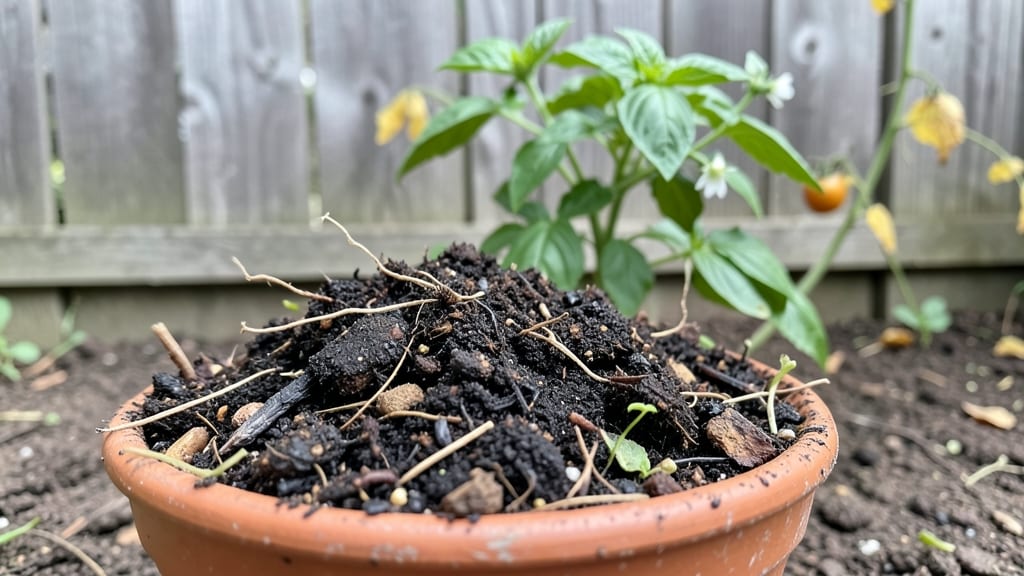
Plant food works by delivering concentrated nutrients that plants can't always find naturally in soil.
The three primary nutrients—nitrogen for leafy growth, phosphorus for blooms, and potassium for root health—create a balanced formula when combined in the right ratios. 🌱 Organic options like compost or bone meal release nutrients slowly, improving soil long-term, while synthetic blends provide immediate results but require careful monitoring to prevent over-fertilization.
Soil pH plays a critical role here, as extreme acidity or alkalinity can lock out essential minerals, making even the best plant food ineffective.
Most gardeners benefit from testing their soil first to determine existing nutrient levels before selecting a fertilizer. For example, vegetables like tomatoes thrive with a higher phosphorus ratio to support fruiting, while lawn grasses need more nitrogen for lush green growth.
Seasonal timing matters too—spring feeding kickstarts growth, while fall applications prepare plants for winter dormancy.
💡 In This Article
- How Plant Food Boosts Growth Through Nutrient Breakdown
- Choosing the Right Plant Food for Your Garden’s Needs
How plant food boosts growth through nutrient breakdown
Here's what's actually happening when plant food supercharges growth: The three primary nutrients—nitrogen (N), phosphorus (P), and potassium (K)—work together in a biochemical symphony.
Nitrogen fuels leafy growth by building amino acids and proteins, phosphorus energizes flowering and fruiting through ATP production, while potassium regulates water uptake and disease resistance.
For example, a 10-10-10 ratio means equal parts of each nutrient, but tomatoes often need 5-10-10 to prioritize fruiting over foliage. 🔥 The magic happens when roots exchange these nutrients for hydrogen ions in a process called ion exchange.
Micronutrients like iron, magnesium, and zinc act as co-factors in enzymatic reactions, often in trace amounts. Iron, for instance, is crucial for chlorophyll production—without it, leaves develop yellowing between veins (a condition called chlorosis).
These micronutrients are absorbed through root hairs via mass flow (water movement) or diffusion, depending on soil moisture. Organic fertilizers like fish emulsion release nutrients gradually as microbes decompose them, while synthetic granules dissolve quickly, providing an immediate but shorter-lived boost. The difference?
Organic options improve soil structure over time, while synthetics require precise timing to avoid burning roots.
Soil pH acts as the gatekeeper for nutrient availability. Most plants prefer a slightly acidic range of 6.0-7.0, where essential minerals like phosphorus become soluble. At pH 5.0, aluminum toxicity can occur, while pH 8.0 locks out iron and manganese.
This is why a soil test is non-negotiable—it reveals what's already available and what your plants are starving for. For instance, blueberries crave pH 4.5-5.5 to access aluminum, which they need for flavor development.
The right plant food won't help if the soil chemistry is off—it's like offering a key to a locked door. ✨
Root absorption works through two main pathways: the apoplastic pathway (through cell walls) and the symplastic pathway (directly between cells). Water-soluble nutrients travel via the apoplastic route, while larger molecules use the symplastic system. This is why liquid fertilizers work faster—they're immediately available, while granular forms need time to dissolve.
The root zone's mycorrhizal fungi (beneficial soil microbes) also play a role by extending root surface area up to 100 times, making them more efficient nutrient hunters. Organic matter in soil acts like a sponge, holding onto nutrients and releasing them gradually.
Consider these key differences between organic and synthetic options:
- Release Rate: Organic (weeks to months) vs. Synthetic (hours to days)
- Soil Impact: Organic builds long-term fertility vs. Synthetic provides immediate but temporary boosts
- Environmental Risk: Synthetics can leach into groundwater; organics support beneficial microbes
- Cost: Organic typically costs more upfront but reduces long-term soil amendments
The best approach combines both: Use synthetic fertilizers for quick fixes (like reviving a stressed plant) and organic for seasonal maintenance. For example, compost tea provides micronutrients while improving soil structure, while a 16-4-8 synthetic blend can give lawns an instant green-up in spring.
The key is matching the fertilizer to the plant's current growth stage—leafy greens need nitrogen early, while flowering plants crave phosphorus later in the season. 🌱