
Plants
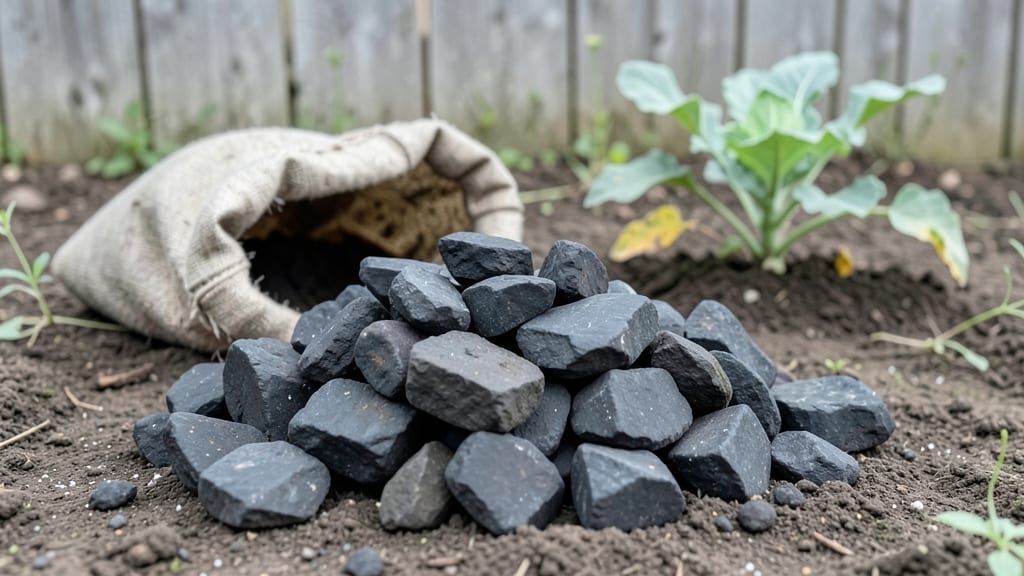
Using coal for plants is generally counterproductive, as it can damage soil health by shifting pH levels, leaching harmful compounds, and killing beneficial microbes—though desperate gardeners occasionally apply it for drainage. Always conduct a soil test first and limit use to extreme cases.
Most gardeners assume coal might improve drainage or add nutrients, but the reality is far worse. 🔥 The porous structure of coal can temporarily enhance water movement, but it also locks in moisture while releasing toxic byproducts like sulfur and heavy metals over time.
Even in small amounts, coal disrupts the delicate microbial networks that break down organic matter and cycle nutrients—something no synthetic amendment can replace. If you're dealing with compacted soil, organic options like coarse sand or perlite provide the same benefits without the long-term damage.
That said, there are rare scenarios where coal might be considered—like in emergency flood situations where you need to raise soil levels quickly. But even then, I'd recommend crushed granite or expanded clay pellets first, as they're specifically designed for drainage without the chemical risks.
The key takeaway? Coal is a last-ditch solution at best, and one that often creates bigger problems than it solves.
💡 In This Article
- How Coal Affects Soil Chemistry and Plant Health
- Safer Alternatives to Coal for Garden Drainage and Soil Amendments
How coal affects soil chemistry and plant health
When coal enters soil, it triggers a cascade of chemical reactions that disrupt the balance plants rely on. The primary issue is pH alteration—most coals are acidic (pH 4-6) when weathered, which can drop garden soil pH from the ideal 6.0-7.0 range to 5.0 or lower within weeks.
This acidification locks out essential nutrients like phosphorus and calcium, making them unavailable to plant roots. The sulfur compounds in coal (especially lignite) oxidize to form sulfurous acid, further accelerating soil acidification.
Beyond pH, coal introduces toxic heavy metals that accumulate over time. Bituminous coal, for example, contains measurable levels of arsenic, lead, and mercury—elements that bioaccumulate in plant tissues.
Studies show that even 1 pound of coal per 100 square feet can increase soil arsenic levels by 20-30% over two growing seasons. These metals don't just sit idle; they interfere with enzyme activity in plants, stunting growth and reducing photosynthetic efficiency. The visual telltale?
Yellowing leaves with dark brown veins, a classic sign of heavy metal toxicity.
What most gardeners overlook is the microbial massacre coal creates. Soil bacteria and fungi—responsible for breaking down organic matter and fixing nitrogen—are highly sensitive to coal's chemical signature.
A 2018 University of Florida study found that coal-amended soil lost 40% of its beneficial microbial population within 30 days, with fungal mycelium networks (critical for nutrient exchange) collapsing first.
This microbial die-off creates a vicious cycle: fewer microbes mean less organic matter decomposition, leading to compacted, lifeless soil that resembles more clay than fertile loam.
There's also the drainage paradox. While coal's porous structure might seem ideal for water movement, it actually creates hydrophobic zones where water repels rather than penetrates. The coal particles coat soil aggregates with a thin carbon film that reduces water absorption by up to 35%.
This is why plants in coal-amended beds often show drought stress symptoms—even when water is applied—while roots struggle to access moisture trapped in surrounding soil layers.
For comparison, organic amendments like compost or biochar (which is activated charcoal made from biomass) improve drainage while maintaining microbial activity. Biochar, for instance, has a pH-neutral structure and provides surface area for beneficial microbes to colonize—exactly the opposite effect of coal.
The lesson? If you need drainage, reach for materials designed for the job, not industrial byproducts with unintended consequences.
Here's what actually happens in the long term: coal-amended soil develops a dual-layer system—the top inch becomes a toxic barrier while the subsoil remains waterlogged. This creates ideal conditions for anaerobic bacteria that produce hydrogen sulfide gas (the rotten egg smell), further stressing plant roots.
The irony? You might see temporary drainage improvements, but the trade-off is permanent soil degradation that can take decades to reverse through organic matter addition.