
Pests
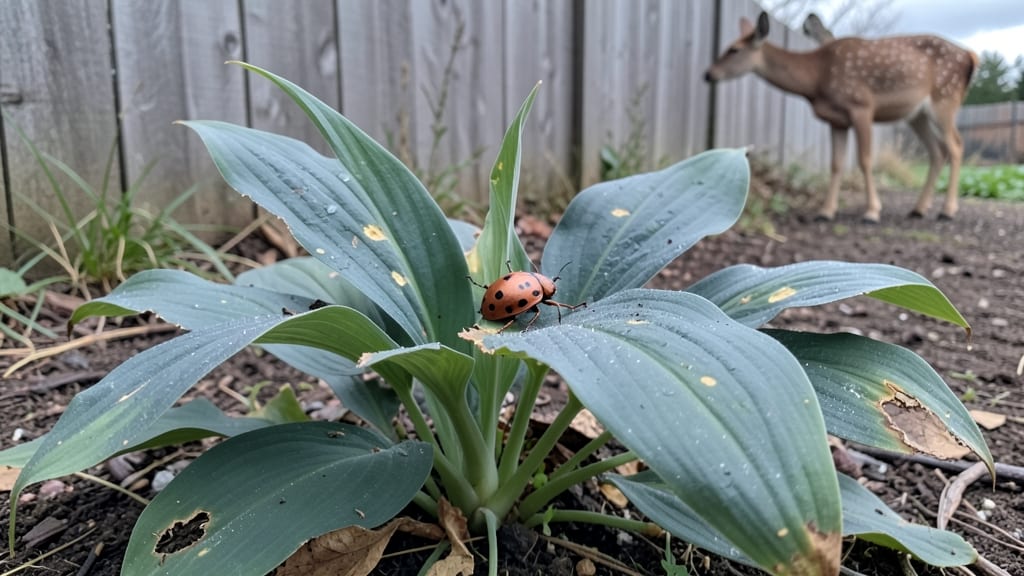
What eats hosta plants—deer, slugs, and rabbits—will turn your lush leaves to lace in a single night, and I’ve got the solutions to save them. 🌱 The damage isn’t just unsightly; it’s heartbreaking when you’ve spent months nurturing those lush, variegated leaves.
Deer and rabbits prefer the tender new growth, while slugs and snails leave behind telltale slime trails and ragged edges. Sawfly larvae? They skeletonize leaves in no time.
The good news is, physical barriers like chicken wire or organic deterrents like diatomaceous earth can make all the difference without harsh chemicals.
You’ll end up with hostas that stay bold and unscathed all season—no more chewed leaves or disappearing plants. The key is combining early prevention with quick fixes when damage appears. Let’s protect those hostas before they become a buffet!
Works for backyard gardens, containers, and even community plots. Here’s how to keep your hostas thriving—no matter what’s hungry in your yard.
The Hidden Forces Feasting on Hostas
Hostas may seem like the perfect low-maintenance garden staple, but their tender leaves and lush foliage make them a prime target for hungry critters. Understanding why these plants become a buffet for pests is the first step in protecting your garden.
Let’s break down the science—and the sneaky strategies—behind the damage.
Deer aren’t just browsing—they’re selecting hostas like a fine-dining connoisseur. Here’s why they zero in on these plants:
- 🌱 Soft, Nutrient-Rich Leaves: Hostas contain allantoin, a compound that promotes plant growth and healing. Deer find this a tasty, easily digestible snack—like a salad packed with vitamins A, C, and iron.
Their high moisture content makes them even more appealing, especially during dry spells when other greens wilt. - 🌙 Nighttime Grazing Advantage: Deer are crepuscular, meaning they’re most active at dawn and dusk—the same times hostas are most vulnerable.
Their keen sense of smell (up to 20 times better than humans’) detects the plant’s aromatic compounds, triggering their grazing instincts. - 🌿 Lack of Natural Deterrents: Unlike thorny roses or bitter herbs, hostas have no chemical defenses (like alkaloids or tannins) to repel deer.
Their broad leaves are an easy target, and deer learn quickly that hostas are a low-risk, high-reward meal.
💡 Pro Tip: Deer often start with the outer leaves, working their way inward. If you notice clean, jagged edges (not the slime trails of slugs), you’ve got a four-legged intruder on your hands.
These slimy pests don’t just nibble—they devour hostas with surgical precision, leaving behind lace-like holes and silver trails of slime. Here’s the science behind their hosta obsession:
- 💧 High Moisture Love: Hostas thrive in shady, damp conditions—the same environment slugs and snails adore.
Their mucus trails help them navigate these moist surfaces, making hostas an all-you-can-eat buffet in the garden. - 🌿 Low Toxicity, High Palatability: Unlike plants with irritating hairs (like stinging nettles) or bitter compounds, hostas are chemically bland to slugs.
Their soft, fleshy leaves require minimal chewing, making them a 5-minute meal for these pests. - 🌙 Nocturnal Feasting: Slugs are most active at night when humidity is high and predators (like birds) are less active.
Hostas’ slow regrowth means damage is often visible by morning, leaving gardeners scrambling to explain the overnight defoliation.
🔥 Warning Sign: If your hostas have irregular holes (not clean bites) and you find glossy slime trails on leaves or soil, slugs are the culprits. They prefer young, tender growth, so new hosta shoots are their first target.
Rabbits may seem shy, but they’re strategic foragers with a taste for hostas—especially when other greens are scarce. Here’s why they’re drawn to your plants:
- 🌿 Early Season Snacking: In spring, when rabbits are still lean from winter, hostas provide quick energy.
Their high water content helps rabbits stay hydrated, making them a hydration + nutrition combo. - 🌳 Browse Line Height: Rabbits have a natural "browse line"—they won’t jump higher than 2–3 feet to eat.
Hostas planted near borders or low fences are perfectly positioned for their grazing habits. - 🌱 Lack of Fiber: Unlike grasses (which rabbits need for digestion), hostas are soft and easy to digest, making them a preferred side dish when paired with clover or dandelions.
🎯 Key Giveaway: Rabbit damage looks like clean, straight-line bites (often 1–2 inches above the ground), with no slime trails. They avoid woody stems, focusing only on leaves.
While deer, slugs, and rabbits steal the spotlight, lesser-known pests can also turn your hostas into a salad bar:
| Pest | Why They Eat Hostas | Damage Telltale Signs |
|---|---|---|
| 🐛 Japanese Beetles | Attracted to hosta’s floral scent (especially in summer). Their larvae also munch on roots. | Skeletonized leaves (chewed but veins remain). |
| 🦋 Adult Caterpillars (Cutworms) | Nocturnal feeders that sever stems at ground level. | Clean cuts on young plants; plants topple over. |
| 🐞 Earwigs | Moisture-loving pests that chew irregular holes in leaves. | Small, ragged holes; often hide under mulch. |
| 🐢 Armadillidium (Pill Bugs) | While not true slugs, they gravitate to decaying hosta leaves and new growth. | Tiny, scattered holes; leave no slime trails. |
💡 Quick Fix: If you spot multiple small holes (not the large bites of rabbits or deer), inspect the soil surface—you’ll likely find tiny pests hiding under boards or rocks.
Not all hostas are equally tempting to pests. Genetics, growing conditions, and plant health play a huge role in why some varieties get feasted on while others survive:
- 🌿 Soft-Leaved Varieties: Hostas like ‘Blue Angel’ or ‘Francee’ have thicker, waxier leaves, making them less appealing to slugs.
In contrast, ‘Halcyon’ or ‘Guacamole’ (with broad, tender leaves) are deer and rabbit magnets. - 🌳 Shady, Damp Spots: Hostas in low-light areas with poor drainage grow weaker, more susceptible to pests. Healthy, sun-stressed hostas (with stronger cell walls) are harder to chew. - 🌱 Over-Fertilization: Too much nitrogen makes leaves softer and more palatable, signaling to pests: "Eat me—I’m easy!" A balanced fertilizer (like 10-10-10) keeps hostas tougher and less tempting.
✨ Science-Backed Tip: Stress-resistant hostas (like ‘Patriot’ or ‘June’) have higher levels of allantoin, which may deter some pests—but no variety is 100% pest-proof.
How to Protect Your Hostas
Now that you know what’s munching on your hostas, it’s time to take action! Whether you’re dealing with deer, rabbits, slugs, or other pests, these practical, easy-to-follow solutions will help you reclaim your garden.
Below, we’ve mapped the most common culprits to their fixes—plus prevention tips to keep your hostas safe long-term.
Deer are notorious for turning hostas into a buffet, but they can be deterred with the right strategies.
🔥 Fencing (The Gold Standard)
- 👨🍳 Install 8-foot tall fencing—deer can jump over lower barriers.
- 🥘 Use sturdy materials like metal mesh or wood, and bury it 12 inches deep to prevent digging underneath.
- ⏰ Pro Tip: Add electric fencing (low-voltage) along the top for extra deterrence.
🌡️ Natural Repellents (Deer Hate These!)
- 📊 Spray hostas with deer repellent (like Liquid Fence or homemade blends of rotten eggs + cayenne pepper).
- 💪 Plant deer-resistant alternatives near hostas, such as lavender, daffodils, or boxwoods, to confuse them.
🎯 Scare Tactics (Quick Fixes)
- 🔪 Hang reflective tape or old CDs to create movement and noise.
- ✨ Use motion-activated sprinklers—deer hate sudden water sprays!
Rabbits and squirrels chew hostas at ground level, so physical barriers work best.
🍳 Chicken Wire or Hardware Cloth
- 👨🍳 Wrap a 1-foot tall barrier around hosta bases (bury it slightly to block digging).
- 🥘 Secure with stakes to prevent rabbits from pushing through.
🔪 Commercial Repellents
- 📊 Apply rabbit repellent sprays (like Bobby’s Liquid Fence) every few weeks.
- 💪 Avoid granular poisons—they can harm pets and wildlife.
🌡️ Trap & Relocate (Last Resort)
- 🎯 Use humane live traps if rabbits are a persistent problem.
- ✨ Check local laws before relocating—some areas restrict this.
Slugs leave silver trails of slime and chew holes in leaves overnight. Here’s how to stop them:
🔥 Beer Traps (Classic & Effective)
- 👨🍳 Bury a shallow dish filled with beer near hostas—slugs crawl in and drown.
- 🥘 Refresh every few days for best results.
🌡️ Copper Barriers (Electric Shock!)
- 📊 Wrap copper tape around hosta pots or garden beds—slugs get a mild shock when they touch it.
- 💪 Works best in dry conditions (rain reduces effectiveness).
🎯 Hand-Picking (Gross but Works!)
- 🔪 Go out at night with a flashlight and drop slugs in soapy water.
- ✨ Pro Tip: Use diatomaceous earth (food-grade) around plants—it dehydrates slugs.
Not all hosta predators are large mammals—some are tiny but destructive!
🍳 Handpick Caterpillars & Spiders
- 👨🍳 Check leaves daily for tomato hornworms or cutworms.
- 🥘 Drop them in soapy water or relocate them far from your garden.
🔪 Organic Insecticides (When Needed)
- 📊 Spray with neem oil or Bt (Bacillus thuringiensis) for caterpillars.
- 💪 Avoid chemical sprays—they can harm beneficial insects.
🌡️ Encourage Natural Predators
- 🎯 Attract birds, ladybugs, and ground beetles with native plants and water sources.
- ✨ Let some pests remain—they keep the ecosystem balanced!
- 🌱 Plant hostas in containers if deer/rabbits are a major issue—move them indoors at night.
- 🌿 Use mulch to deter slugs and retain moisture.
- 🌡️ Rotate repellents so pests don’t build resistance.
- ✨ Prune damaged leaves regularly to encourage new growth.
By combining physical barriers, natural repellents, and smart prevention, you can save your hostas from becoming a snack. Try one or two methods first, then adjust based on what works best in your garden! 🌿🚫🐇
Frequently asked questions about hosta predators
How can I tell if deer are eating my hostas vs. rabbits?
Look for these key differences: Deer leave clean, jagged edges on leaves (they prefer the outer foliage first), while rabbits create straight-line bites about 1-2 inches above the ground. Deer also leave larger, scattered damage, while rabbits focus on younger shoots. Check for droppings—deer pellets are 1-inch long, while rabbit pellets are 1/4-inch and clustered.
What’s the fastest way to stop slugs from destroying my hostas overnight?
Try a beer trap—bury a shallow dish filled with beer near your hostas. Slugs crawl in and drown within hours. For immediate protection, wrap copper tape around containers or plant bases—it gives them a mild shock when they touch it. Diatomaceous earth (food-grade) sprinkled around plants also works by dehydrating them.
Are there any hosta varieties that deer and rabbits avoid?
While no variety is completely pest-proof, ‘Blue Angel’ and ‘Francee’ have thicker, waxier leaves that deter slugs. For deer resistance, try ‘Patriot’ or ‘June’, which contain higher levels of allantoin—a compound that may make them less appealing. However, even these can be eaten if other food sources are scarce. Planting deer-resistant companions like lavender nearby helps too.
Will chicken wire protect my hostas from rabbits?
Yes, but it must be installed correctly. Bury the wire 6 inches deep and extend it 1 foot above ground to prevent rabbits from digging under or jumping over. Use hardware cloth (1/4-inch mesh) instead of chicken wire for extra durability. Secure it tightly with stakes to keep rabbits from pushing through—this is the most reliable physical barrier for ground-level grazers.
How do I know if Japanese beetles are damaging my hostas?
Look for skeletonized leaves—beetles chew away all leaf tissue except the veins, creating a lacy pattern. You’ll also spot the green and copper-colored beetles themselves during daylight hours. Their larvae (white grubs) feed on roots, causing wilting. Handpick adults into soapy water or use neem oil to deter them without harming beneficial insects.